A new generation of artist-led organizations is transforming neighborhoods like the Mission and SOMA into globally recognized creative districts—and fundamentally changing who gets to decide what public art means in the city.
Tech sector recovery and transit-oriented development are reshaping San Francisco's investment landscape, with emerging neighbourhoods outpacing traditional wealth enclaves.
Founded by Stanford researchers working out of a SOMA lab, Helix Therapeutics is reshaping how pharmaceutical companies design molecules—and venture capitalists are taking notice.
The San Francisco-based triathlon club, growing its membership by 40% in two years, just claimed five podium finishes at the USA Triathlon National Series event in Sacramento.
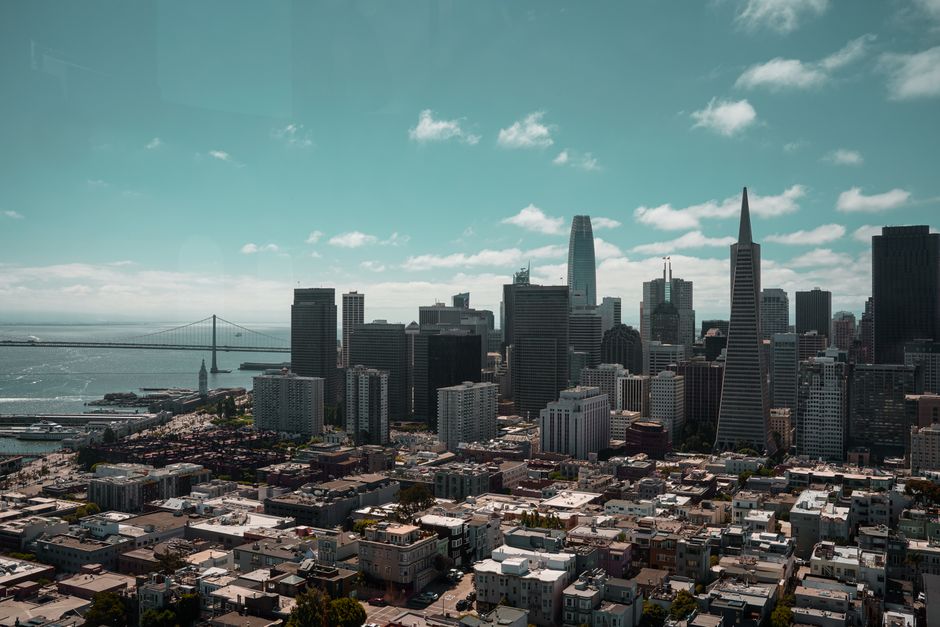
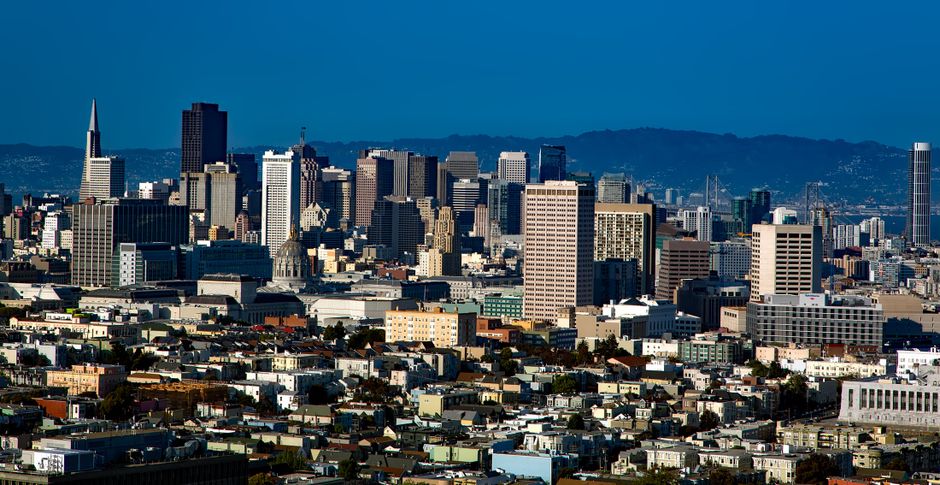
As major projects break ground across the Mission, SoMa, and the waterfront, developers and residents grapple with how to balance housing supply with the city's architectural and cultural identity.
After years of underinvestment, a wave of new funding and community activism is transforming the city's green spaces into destinations locals actually want to spend time in.
As geopolitical tensions spike globally, Bay Area manufacturers and tech firms are recalibrating sourcing strategies and scrambling to protect margins.
A wave of local creators are leaving corporate gigs to launch independent brands, reshaping the city's design landscape and challenging the venture capital model that once dominated.
As stress management apps dominate worldwide markets, the Bay Area is doubling down on in-person meditation and breathwork—creating a distinctly regional approach to mental wellness.
Hotel occupancy remains soft and international visitor numbers lag pre-pandemic levels as geopolitical tensions and economic uncertainty crimp demand for the city's marquee attractions.