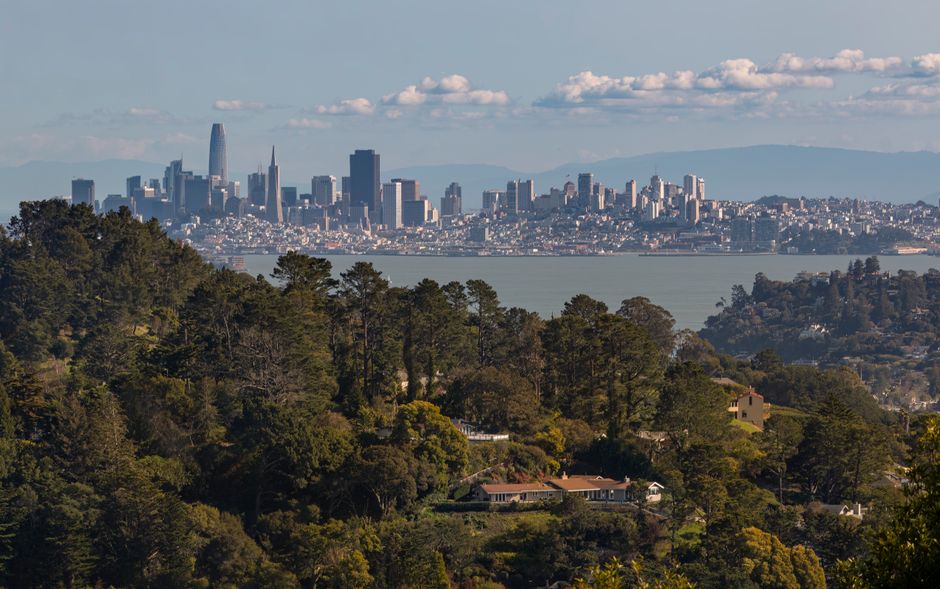
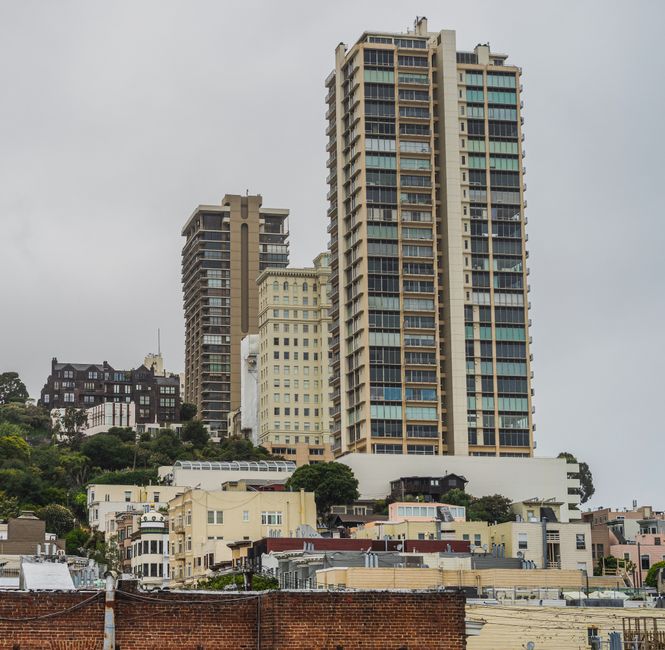
While global wellness platforms like Calm and Headspace have amassed millions of subscribers, San Francisco is charting a different course. The city's thriving meditation culture—rooted in decades of Buddhist practice centers and Eastern philosophy—continues to emphasize embodied, community-based stress management over screen-based solutions.
The contrast is striking. Internationally, the mindfulness app market is projected to exceed $4 billion by 2027, with passive listening as the dominant model. Yet in San Francisco, studios like those clustered around the Mission District and Hayes Valley are reporting waitlists for in-person breathwork classes and sound baths. The San Francisco Zen Center in the Marina, one of America's oldest Buddhist practice communities, maintains robust enrollment despite decades of operation. Meanwhile, UCSF's Osher Center for Integrative Medicine continues publishing research on mindfulness-based stress reduction—legitimizing practices that many Bay Area residents already embrace.
Local uptake tells a revealing story. A 2024 wellness survey found that 34% of San Francisco residents practice some form of daily meditation, compared to the national average of 18%. Yoga and Pilates studios in neighborhoods from Noe Valley to Potrero Hill offer specialized anxiety-management classes. Prices reflect demand: premium meditation memberships in the city range from $150 to $300 monthly, roughly double the national average.
The reasons are geographic and cultural. San Francisco's proximity to Marin Headlands—a natural refuge for hiking and forest bathing—has long supported outdoor stress management. The city's tech-industry workforce, despite (or because of) chronic burnout and high housing costs, actively seeks alternatives to pharmaceutical interventions. Additionally, the Bay Area's substantial Asian-American population has maintained traditional mindfulness practices for generations, creating a normalized cultural framework absent in many U.S. cities.
What emerges is a distinctly San Francisco model: hybrid and locally rooted. Residents use apps to supplement, not replace, real-world practice. They combine formal meditation with movement-based wellness—running the Golden Gate Park trails, cycling the Bay Trail, or practicing yoga overlooking the water. Therapists at local clinics increasingly refer patients to community breathwork workshops rather than meditation subscriptions.
As global trends chase scalability through technology, San Francisco reminds us that stress management thrives through relationship and place. The city's wellness approach—skeptical of apps, committed to embodied practice, shaped by Buddhist heritage—offers a counterpoint to worldwide digital wellness dominance. For those navigating Bay Area living costs and competitive culture, the message is clear: lasting mental health often requires showing up in person.
This article was compiled by AI from the sources linked above and screened before publishing. See our editorial standards.