How Turmoil in Venezuela, Iran and Pakistan Is Already Reshaping San Francisco's Supply Chains
As geopolitical tensions spike globally, Bay Area manufacturers and tech firms are recalibrating sourcing strategies and scrambling to protect margins.
As geopolitical tensions spike globally, Bay Area manufacturers and tech firms are recalibrating sourcing strategies and scrambling to protect margins.
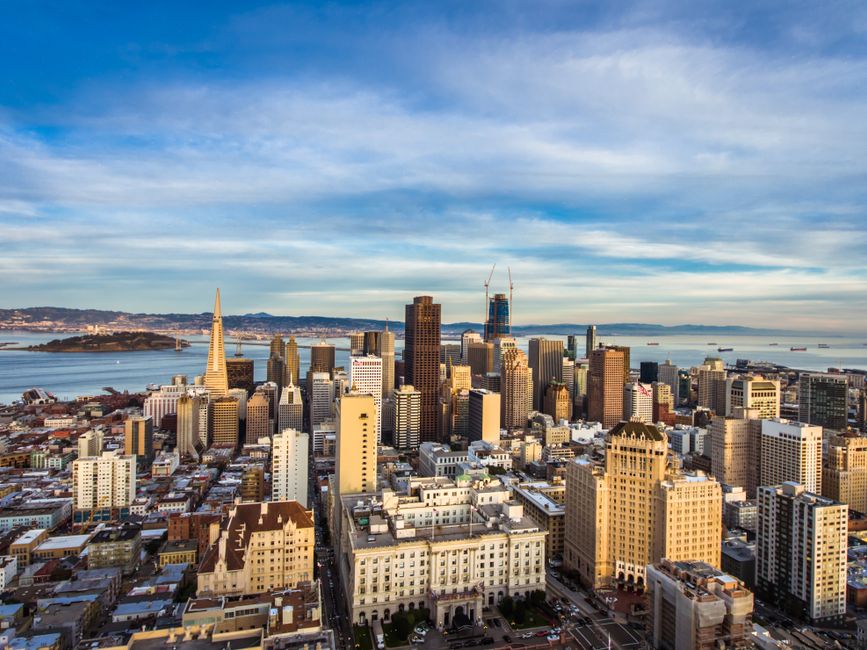
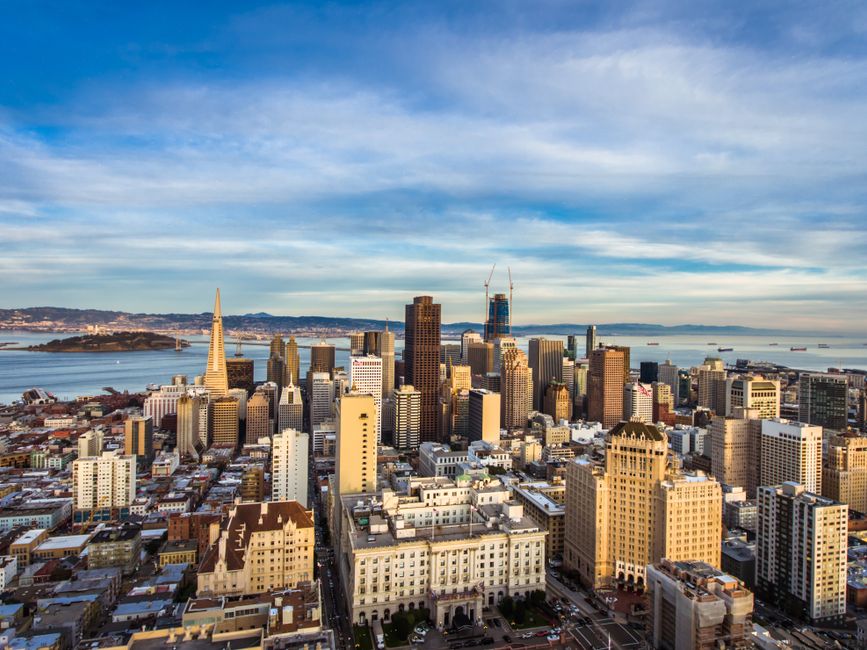
The aftershocks rippling through Venezuela, Iran, and Pakistan this week are reverberating through San Francisco's warehouses and boardrooms far more immediately than most residents realize. For a city whose economy depends heavily on global trade flows and international partnerships, the latest cascade of crises—from Venezuelan infrastructure collapse to escalating Pakistan-Afghanistan tensions—is forcing local businesses to make urgent decisions about sourcing, shipping, and supply chain resilience.
At the Port of Oakland, which handles roughly $130 billion in annual cargo, logistics managers are already adjusting routes. Shipping containers that typically funnel through the Persian Gulf now face potential delays due to renewed U.S.-Iran negotiations, according to conversations with freight forwarders in the SOMA district. "Every week of uncertainty adds 3 to 5 percent to our operational costs," says one Maritime Exchange director familiar with the matter, though the scale of rerouting remains unclear.
The impact hits hardest on South of Market's thriving manufacturing and hardware sectors. Precision component suppliers—firms concentrated along Bryant Street and in the Design District—rely on Venezuelan aluminum and Pakistani minerals for specialized electronics and industrial equipment. With Venezuela's crisis deepening and Pakistan's regional instability, sourcing that once took 45 days now stretches to 90 days, if materials arrive at all. One mid-sized firm reported recently that raw material costs jumped 12 percent in a single month.
San Francisco's venture capital and tech ecosystem, centered around Market Street and the Financial District, faces subtler but equally consequential pressures. Companies with manufacturing operations in Southeast Asia are reconsidering their exposure to regional instability. The threat of disrupted trade lanes through the Strait of Hormuz—increasingly likely given Iran's leverage-building tactics—could impact semiconductor supply chains that depend on precision timing. Venture firms backing hardware startups in the city are now factoring geopolitical risk into their due diligence in ways they weren't eighteen months ago.
Import duties and tariff structures, already volatile under the current administration, could shift dramatically if U.S.-Iran talks succeed or collapse. For importers clustered near the Ferry Building and throughout the Mission District's growing logistics hub, this uncertainty translates directly into working capital demands and margin compression.
"The era of 'just assume stable global trade' is over," notes one business analyst tracking Bay Area supply chain patterns. For San Francisco's global traders and manufacturers, that shift isn't theoretical—it's reshaping decisions, right now, across the city's industrial and financial backbone.
This article was compiled by AI from the sources linked above and screened before publishing. See our editorial standards.
How does this story make you feel?
Spread the word
About this article
Published by The Daily San Francisco
Daily brief
Free, in your inbox before 7am. Weekdays.
More in Business