San Francisco's Office Market Sends Mixed Signals: What the Numbers Really Tell Us About Investment Flows
Rising construction costs and shifting tenant demand are reshaping how capital moves through the city's commercial real estate sector.
Rising construction costs and shifting tenant demand are reshaping how capital moves through the city's commercial real estate sector.
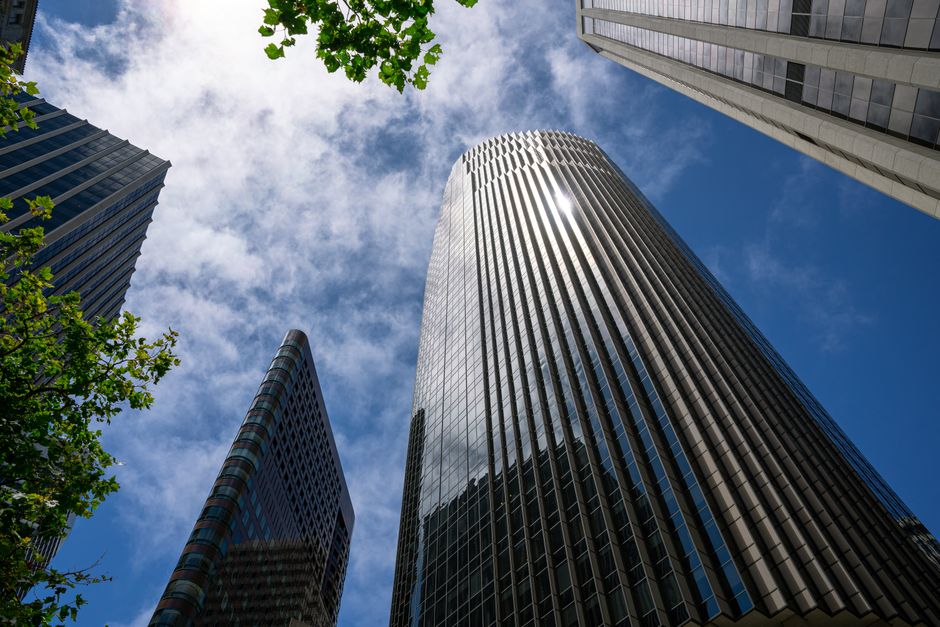
San Francisco's commercial property market is at a crossroads, with economic indicators painting a more nuanced picture than headlines of "office doom" suggest. Understanding what's actually happening requires parsing vacancy rates, construction trends, and where investment capital is genuinely flowing in mid-2026.
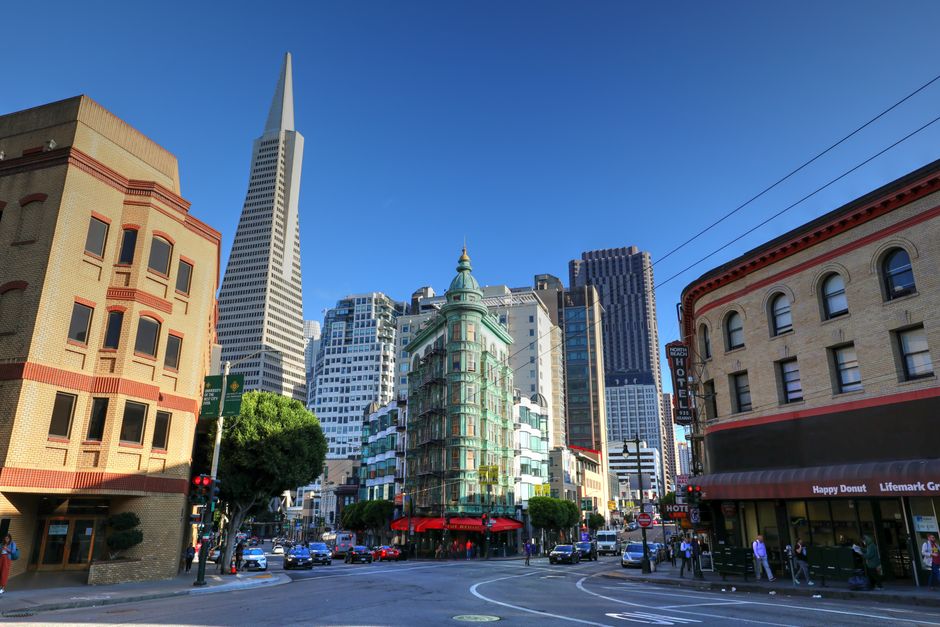
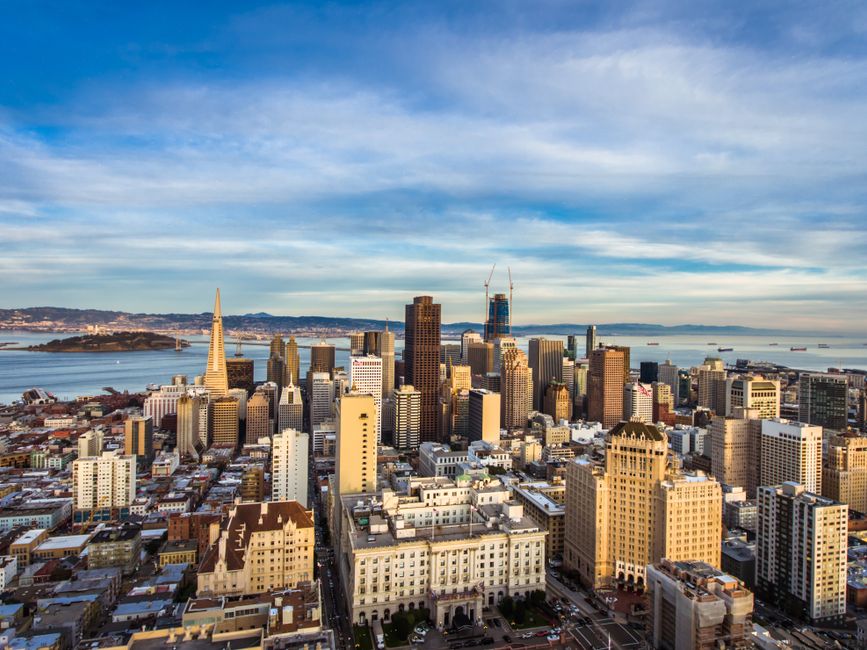
The headline stat: downtown office vacancy hovers around 18-20 percent, significantly above the pre-pandemic 4-5 percent baseline. Yet this aggregate number masks important geographic and sectoral variations. The Financial District's Class A office space—premium buildings on Montgomery Street and around the Transamerica Pyramid—shows stronger demand than aging stock south of Market Street. This bifurcation reflects a fundamental economic reality: investors are selectively deploying capital toward properties with modern infrastructure and flexible floor plates, not broadly retreating from the market.
Construction costs provide another revealing indicator. Recent commercial development in SOMA and along the Embarcadero reflects hard economics: builders are financing projects at 6-7 percent interest rates, requiring higher per-square-foot rents to achieve acceptable returns. A 2026 build-out on Howard Street that might have penciled out at $75 per square foot in 2019 now demands $95 to $110. These aren't speculative projects—developers are moving forward because underlying demand from life sciences firms, venture-backed startups, and professional services companies remains robust enough to absorb higher costs.
Investment flows tell an equally important story. While traditional office REITs have contracted, institutional capital—pension funds and sovereign wealth vehicles—continues selective acquisition. Several major transactions in the past twelve months involved distressed assets trading at 25-35 percent discounts to pre-pandemic valuations. These aren't fire sales driven by panic; they reflect rational repricing as investor expectations shifted from 3-4 percent capitalization rates to 5-6 percent rates.
The Berkeley-based real estate advisory firm CoStar reported San Francisco commercial property investment volume at $3.2 billion year-to-date through June, down from historical $6-8 billion annual levels but not zero. Capital still flows into the market—just more selectively and at different valuations.
What's changing structurally: flex space operators and co-working providers are absorbing a larger percentage of demand as companies right-size post-pandemic. The Tenderloin and Mid-Market neighborhoods, long considered marginal, are attracting tenant interest as landlords discount aggressively and tech companies experiment with distributed teams.
For investors watching San Francisco, the signal is clear—the market isn't broken, it's repricing. That's uncomfortable for some stakeholders but ultimately efficient.
This article was compiled by AI from the sources linked above and screened before publishing. See our editorial standards.
How does this story make you feel?
Spread the word
About this article
Published by The Daily San Francisco
Daily brief
Free, in your inbox before 7am. Weekdays.
More in Business