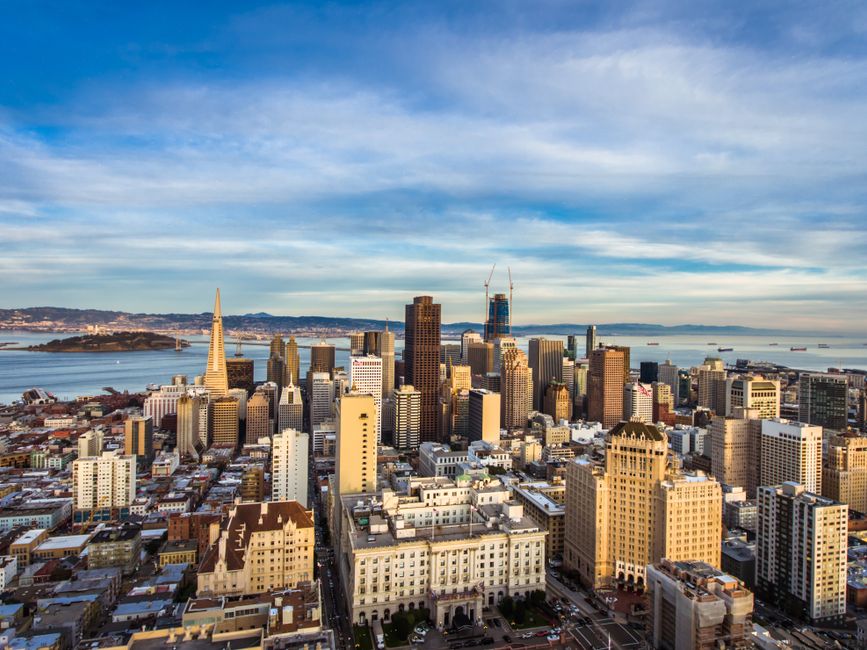
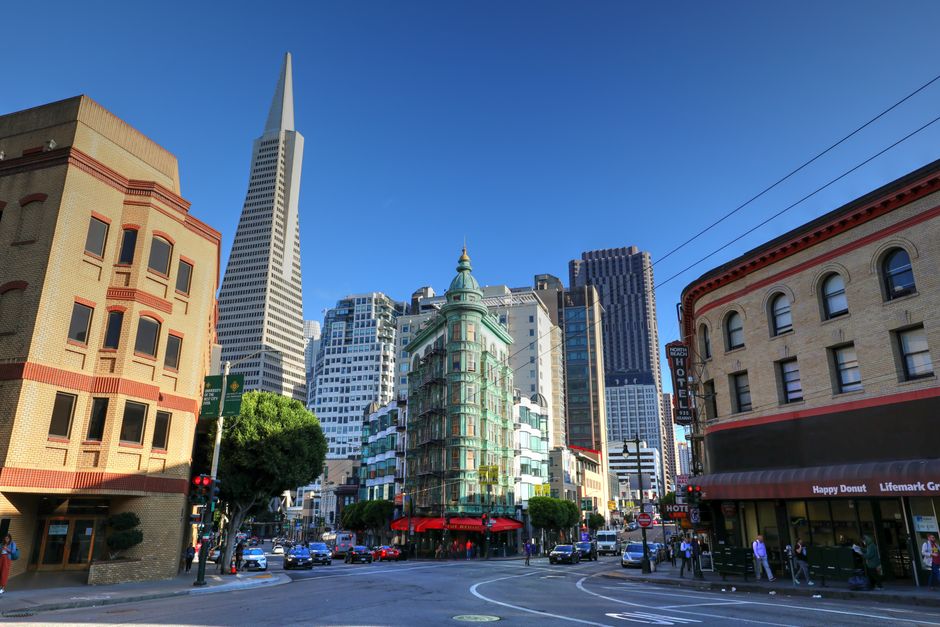
San Francisco's startup ecosystem has entered a new phase. Rather than clustering tightly around the Financial District and South of Market, venture-backed companies are now anchoring themselves across the city—from the revitalized waterfront near Jack London Square to emerging hubs along Valencia Street in the Mission and even the Dogpatch, fundamentally reshaping where jobs exist and how the talent market functions.
The shift reflects a pragmatic response to real estate pressures and remote work normalisation. Median office rents in SoMa remain stubbornly high at around $85 per square foot annually, but emerging innovation zones offer alternatives. The Dogpatch and Potrero Hill neighbourhoods have attracted a cluster of hardware startups and climate-tech companies seeking cheaper space and proximity to the Bay Bridge. Meanwhile, the Mission District—long the heart of San Francisco's creative economy—now hosts an estimated 2,000 tech-adjacent roles, from design studios to AI-focused research labs.
This geographic diversification is reshaping talent recruitment dramatically. Companies no longer compete solely on Valley commute distance or iconic downtown addresses. Instead, they're bidding aggressively for workers willing to relocate within the city itself, pushing wages up across all neighbourhoods. A mid-level software engineer in the Dogpatch now commands roughly 12% more than the same role offered five years ago, according to recruitment data from local tech staffing firms.
The phenomenon has triggered a secondary real estate boom. Commercial landlords in previously overlooked areas are now renovating entire blocks to court startups with open floor plans and bike storage. The Valencia Street corridor, anchored by venture firms like Homebrew and a growing roster of Series B companies, has seen foot traffic surge 40% since 2024, according to local business improvement districts.
But the redistribution isn't uniformly positive. Neighbourhood character is shifting rapidly. Long-time residents and established small businesses in the Mission and Dogpatch face rising rents as tech workers relocate, and some community groups worry about gentrification accelerating. Meanwhile, transit agencies are grappling with demand surges on BART and Muni lines connecting these emerging hubs to residential neighbourhoods further out in the Richmond and Sunset districts.
For job seekers, however, the landscape offers unprecedented flexibility. Rather than choosing between a San Francisco career and affordable housing elsewhere, workers can increasingly find opportunity clusters across multiple neighbourhoods—each with distinct characters and advantages. That decentralisation may ultimately prove the innovation district's most significant gift to the city's fractious talent market.
This article was compiled by AI from the sources linked above and screened before publishing. See our editorial standards.