San Francisco's Startup Market Shows Surprising Resilience: Here's What Founders Need to Know Right Now
Despite global uncertainty, the Bay Area tech sector is recalibrating—and smart operators are already positioning themselves for the next wave.
Despite global uncertainty, the Bay Area tech sector is recalibrating—and smart operators are already positioning themselves for the next wave.
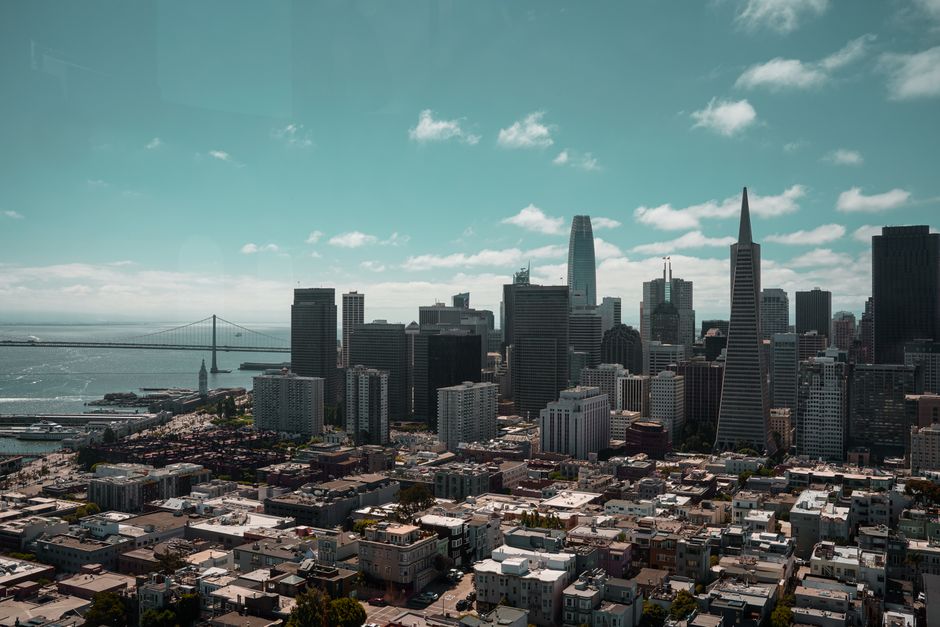
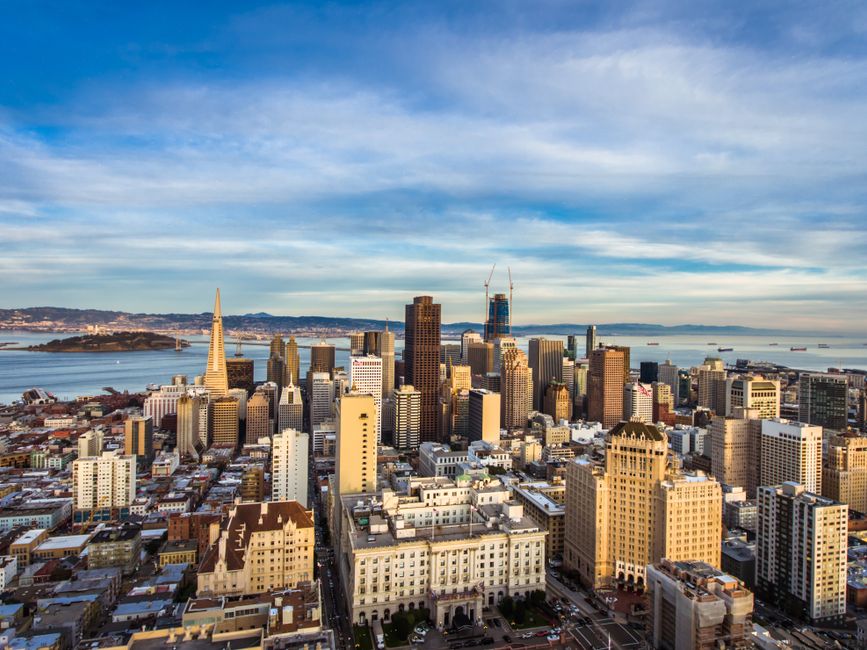
The San Francisco startup ecosystem is sending mixed signals in mid-2026, and experienced founders are learning to read between the lines. After a lean 2025, venture funding patterns are shifting in ways that reward focus and pragmatism over growth-at-all-costs narratives.
Recent data from Bay Area venture tracking firms shows early-stage funding (Seed through Series A) holding relatively steady at roughly $8-12 billion annually across the region, a figure that would have seemed modest five years ago but now represents a stabilization point. The real story isn't the absolute numbers—it's where that capital is flowing. Mid-Market rounds above $50 million have tightened considerably, with institutional investors clearly demanding clearer pathways to profitability. This shift is reshaping which neighborhoods are attracting activity.
South of Market Street, where density and proximity to SOMA's established tech corridor matter less than they once did, landlords are reporting modest rent declines—down roughly 12-15 percent from pandemic peaks. Meanwhile, neighborhoods like the Mission District and parts of the Dogpatch are seeing unexpected diversification as founders seek lower-cost bases for hardware, biotech, and climate-tech operations. The math has changed: office space in these areas now runs $35-45 per square foot annually, compared to $65-80 in prime SOMA locations.
Across San Francisco's innovation corridors, founders and operators should track several emerging patterns. First, capital concentration is real: A-list venture firms are managing larger funds and backing fewer companies more heavily. Second, sector focus matters more than ever—cleantech, healthcare infrastructure, and enterprise software are attracting disproportionate attention, while consumer-focused startups face headwinds. Third, the talent arbitrage game has changed. Remote-work normalization means founders can build distributed teams, but competition for specialized talent in AI, chip design, and biologics remains fierce in the Bay Area specifically.
For businesses in the ecosystem—landlords, service providers, accelerators—the message is clear: expect permanent right-sizing. The vast majority of co-working spaces that proliferated in the 2015-2021 boom have consolidated or closed. Survival now depends on serving specialized niches: dedicated spaces for hardware prototyping, biotech labs with proper infrastructure, or premium office arrangements for Series B and beyond companies.
The San Francisco startup market isn't collapsing; it's maturing. Founders who understand this moment—who recognize that capital scarcity is here to stay and that market discipline is the new normal—will navigate the next 18 months far better than those still operating with 2021 mentality. The city remains the epicenter of American innovation, but the rules of the game have fundamentally shifted.
This article was compiled by AI from the sources linked above and screened before publishing. See our editorial standards.
How does this story make you feel?
Spread the word
About this article
Published by The Daily San Francisco
Daily brief
Free, in your inbox before 7am. Weekdays.
More in Business