San Francisco's construction cranes are spinning again. After years of permitting delays and market uncertainty, the city's development pipeline is accelerating, with significant projects now moving from blueprint to reality across multiple neighbourhoods—and reshaping what it means to live in San Francisco in the process.
The numbers tell a compelling story. The Planning Department has approved over 8,000 housing units in active development as of mid-2026, with particular momentum in SoMa, where several mid-rise residential towers are now under construction along Harrison and Folsom Streets. These projects promise to add density to an area already transformed by tech-sector demand, though local residents remain divided over traffic impacts and preservation of the neighbourhood's industrial character.
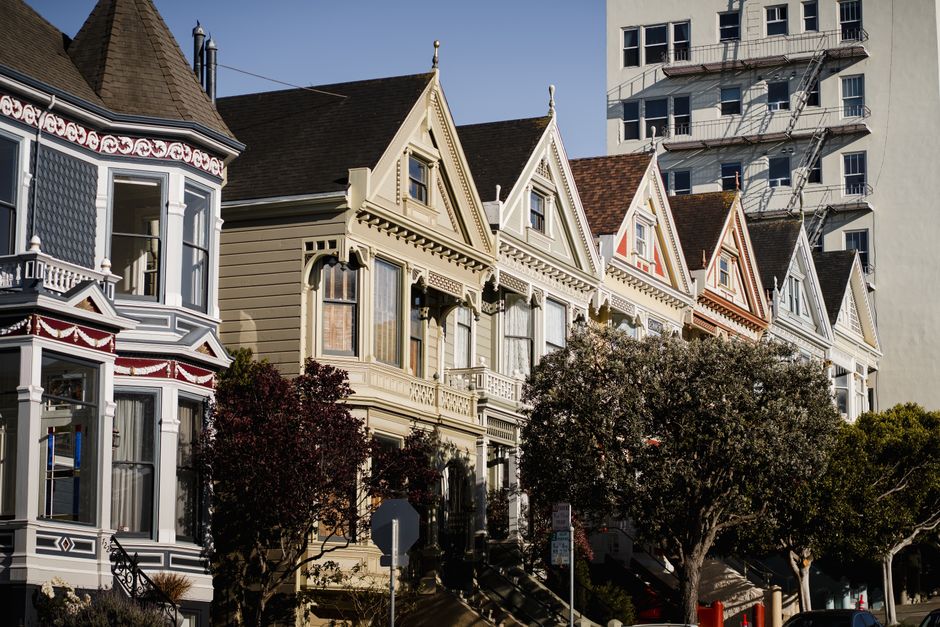
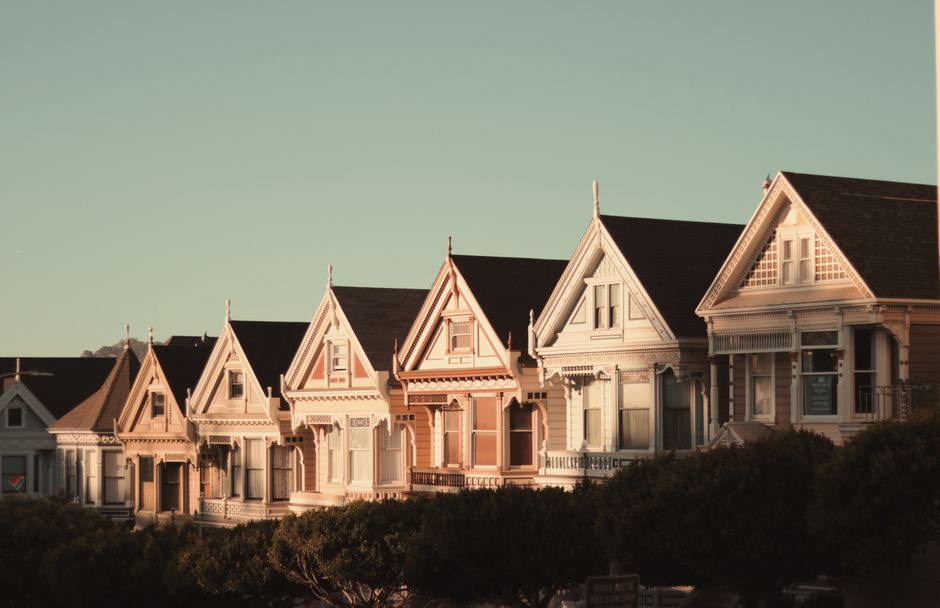
The Mission District is experiencing its own inflection point. New mixed-use developments along Valencia Street and around the 16th Street BART station are introducing contemporary architecture to a neighbourhood famous for its Victorian terraces and street art. At the median price of USD 1.3M across the city, these new units—often priced in the USD 800K to USD 1.2M range—represent some of the most accessible new inventory for first-time buyers, even as affordability remains relative.
Perhaps most visibly, the waterfront continues its remake. Projects near the Ferry Building and along the Embarcadero are adding retail, office space, and residential units in a district historically dominated by tourism and heritage preservation. The challenge for planners: maintaining public access and neighbourhood character while accommodating 21st-century density.
What distinguishes this development wave from previous booms is the explicit focus on mixed-income housing and ground-floor activation. Developers increasingly understand that San Francisco's attractiveness depends on vibrant street life, not just luxury apartments. Projects now commonly include community spaces, local retail integration, and design guidelines that respond to surrounding blocks.
Yet friction remains. Neighbourhood groups worry about schools, parking, and whether new development benefits existing residents or simply drives further displacement. In Pacific Heights and the Marina, where median prices exceed USD 2.5M, the debate centres on preserving low-density charm against city housing targets.
The reality is structural: San Francisco needs housing, and the city's zoning reforms have finally made it easier to build. Whether these new projects can deliver on promises of affordability, community benefit, and liveable neighbourhoods will define the city's character for decades to come. The cranes tell one story; the neighbourhoods themselves will tell another.
This article was compiled by AI from the sources linked above and screened before publishing. See our editorial standards.