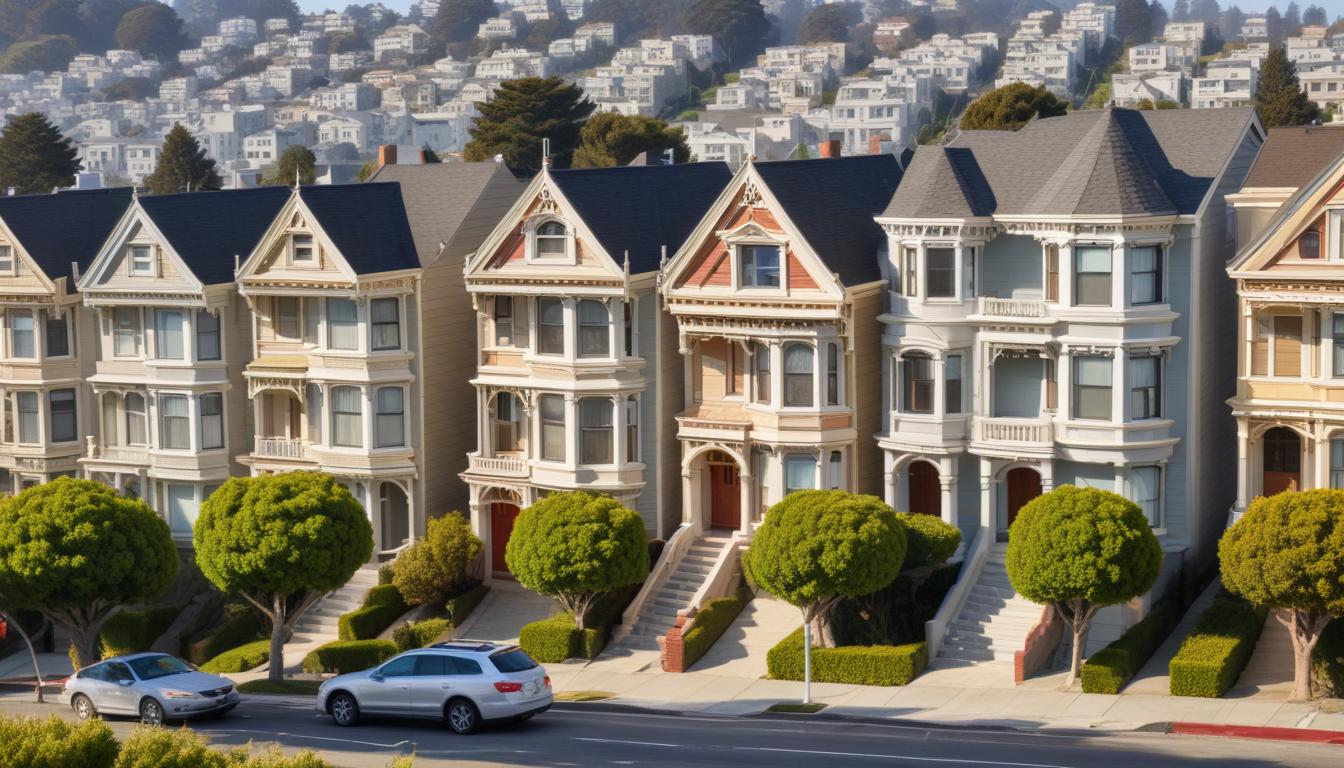
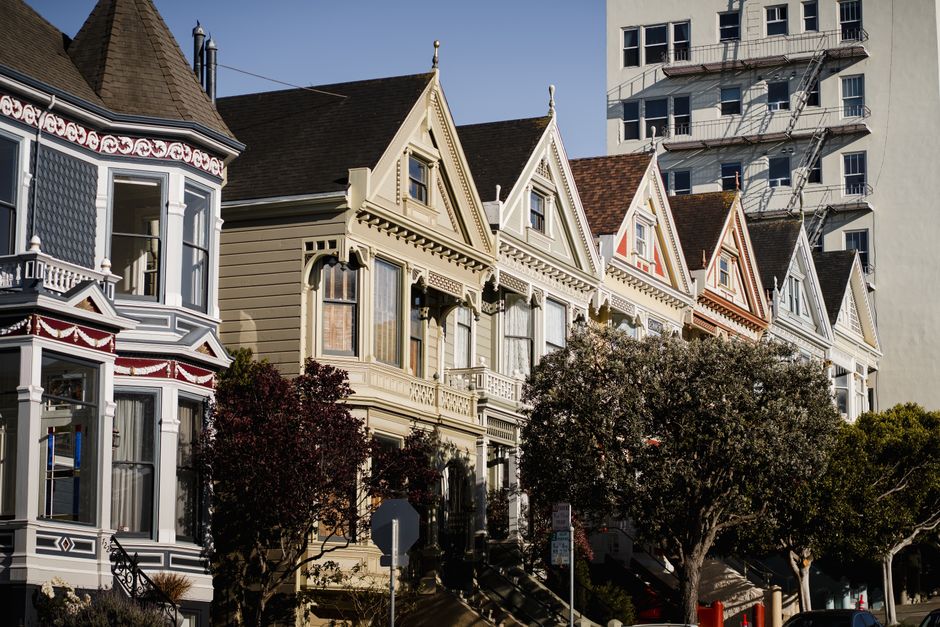
San Francisco's luxury property market is experiencing a fundamental recalibration following the Planning Commission's approval of revised zoning policies this spring, which have already begun reshaping investment patterns across the city's most coveted neighbourhoods.
The shift centres on two key regulatory changes: expanded Floor Area Ratio (FAR) allowances in residential-mixed zones and a new 18-month fast-track permitting pathway for projects incorporating ground-floor commercial space. For ultra-high-net-worth buyers and institutional investors accustomed to the discretionary appeal process, the implications are substantial.
"We're seeing a meaningful pivot away from straightforward single-family acquisitions in Pacific Heights," says the property development sector, noting that recent transactions along Fillmore Street and Broadway now favour period properties with conversion potential rather than vacant lots. A 1920s mansion on Divisadero Street that might have commanded $8.2 million as a teardown candidate in 2024 now attracts competing bids from developers banking on mixed-use entitlements—potentially increasing unit yield without the political friction of demolition.
The Marina district presents an equally compelling case study. Properties bordering the Palace of Fine Arts have historically remained off-limits for significant redevelopment due to landmark restrictions. However, revised guidelines allowing façade-preserving interior reconstructions—coupled with retail component incentives—have unlocked latent value. A restored Belle Époque building recently sold for $9.7 million, with the buyer immediately filing permits for three residential units above an artisanal food hall.
Downtown, near the Ferry Building, similar policy momentum is visible. The Commission's decision to streamline approvals for projects meeting specific sustainability benchmarks has attracted international capital. Three major conversion proposals along the Embarcadero waterfront—targeting 1970s office towers—now carry realistic development timelines, fundamentally altering their investment calculus compared to years of regulatory uncertainty.
Market data reflects the transition. Luxury condo sales (defined as $2M+) in previously constrained neighbourhoods grew 23 percent year-over-year through Q2 2026, while detached single-family sales in the same tier declined 8 percent. Agents working Russian Hill and Nob Hill report increased enquiry from international buyers specifically interested in 1980s–2000s residential buildings suitable for renovation-to-sell strategies.
The Planning Commission's shift appears deliberate: promoting density without wholesale demolition, attracting commercial activation to residential corridors, and reducing bureaucratic friction for well-designed projects. For luxury investors, the message is clear: policy certainty now favours adaptive reuse over greenfield development, and regulatory approval timelines have compressed dramatically for the first time in a decade.
This article was compiled by AI from the sources linked above and screened before publishing. See our editorial standards.