SF Investment Property Prices 2024: Tech Return Impact
Tech workers returning to offices shift San Francisco investment demand. Discover which neighborhoods offer the best opportunities as prices climb in Mission District and Dogpatch.
Tech workers returning to offices shift San Francisco investment demand. Discover which neighborhoods offer the best opportunities as prices climb in Mission District and Dogpatch.
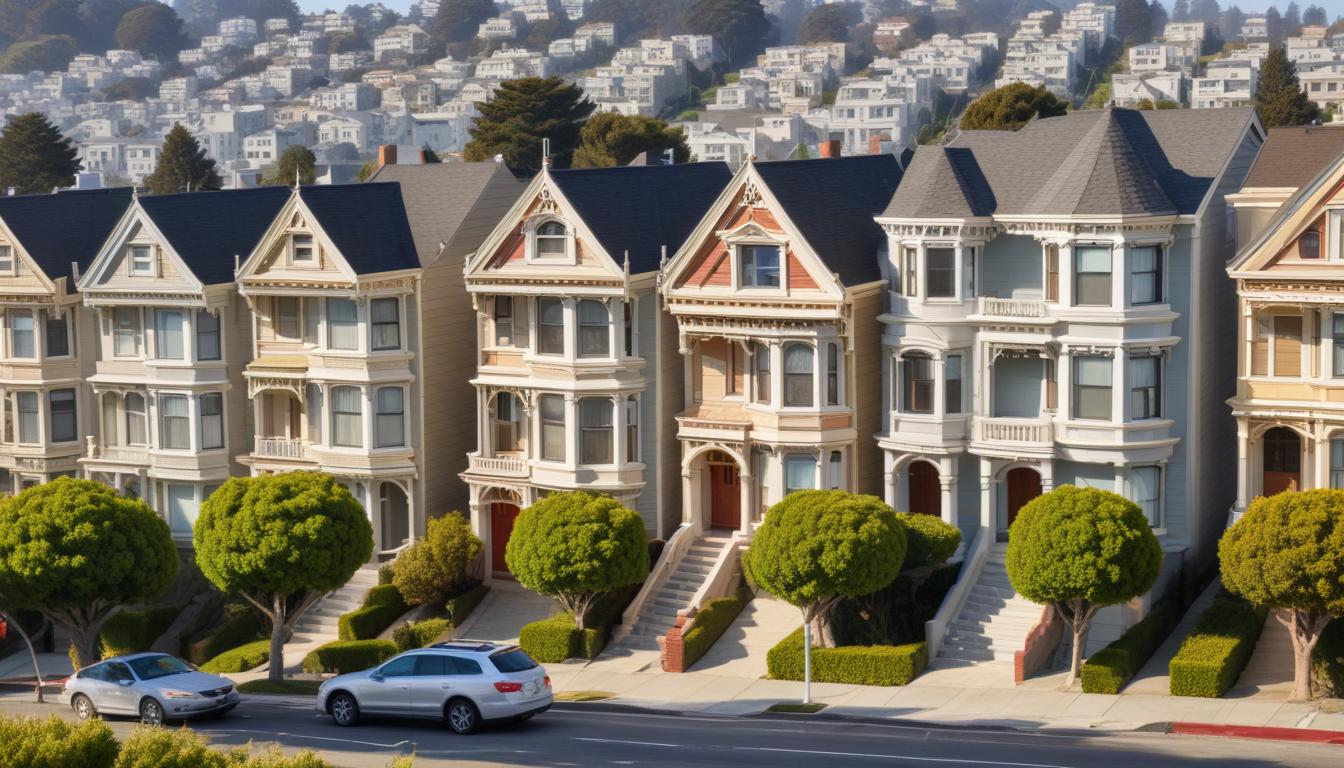
San Francisco's investment property market is experiencing a subtle but significant shift. After years of pandemic-driven exodus, the return of tech sector workers to physical offices is reshaping demand patterns across the city, pushing prices upward in neighbourhoods that savvy investors should understand before committing capital.
The median asking price for single-family homes and investment properties now hovers around $1.3 million citywide, but the real story lies in geographic specificity. Pacific Heights and the Marina remain premium, commanding $2.2 million to $2.8 million for comparable investment-grade properties. Yet the genuine opportunity lies in Mission District and Dogpatch, where prices have climbed steadily as younger tech professionals—freshly mandated back to offices three days weekly—seek walkable, transit-adjacent neighbourhoods near employment hubs in SoMa and South Beach.
Rental yields in Dogpatch currently hover around 3.2 to 3.8 percent gross, compared to 2.1 percent in Pacific Heights, making it attractive for cash-flow-focused investors. A two-bedroom in Dogpatch near the Anchor Brewing Company complex now rents for $3,200 to $3,600 monthly, up 12 percent year-over-year.
Several factors are converging. First, major tech employers—from established giants to mid-size ventures—are consolidating offices rather than downsizing, particularly along the Embarcadero and South Beach corridor. This has created sustained demand for rental housing within a 20-minute commute. Second, interest rate stabilization at 6.2 to 6.8 percent has shifted buyer psychology; fewer are gambling on further rate cuts, increasing purchase urgency. Third, San Francisco's housing shortage remains acute, with new residential construction lagging demand significantly.
Investors should note critical timing considerations. Properties within walking distance of BART stations command consistent tenant demand and lower vacancy rates—typically 4 to 6 percent versus 8 to 10 percent for car-dependent locations. Neighbourhoods like the Mission and Valencia Corridor continue to appreciate, though competition among investors has intensified.
One underestimated variable: California's tenant protections and rent-control implications. New investors should budget for professional property management—typically 7 to 9 percent of rental income—and understand Ellis Act implications before purchasing in older buildings.
The market remains seller-favourable, but it's less frenzied than 2021-2022. Smart investors are moving decisively on undervalued properties in high-employment-proximity areas, recognising that tech sector stability translates directly to rental demand and long-term asset appreciation in San Francisco's notoriously cyclical market.
This article was compiled by AI from the sources linked above and screened before publishing. See our editorial standards.
How does this story make you feel?
Spread the word
About this article
Published by The Daily San Francisco
Daily brief
Free, in your inbox before 7am. Weekdays.
More in Property