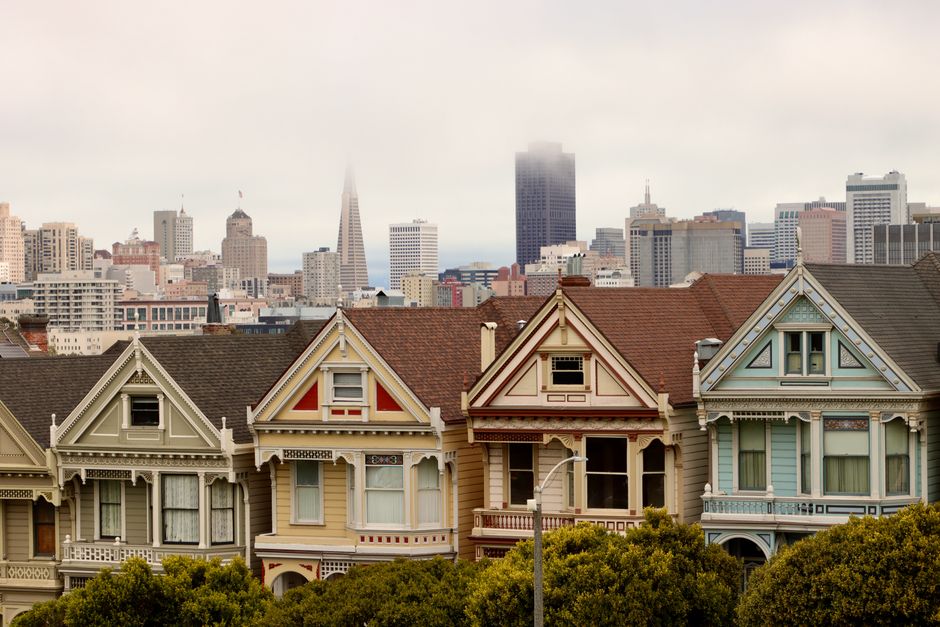
The People, Stories, and Faces That Make Haight Ashbury Special
From historic residents to new creative voices, the community shaping San Francisco’s iconic neighborhood today.
From historic residents to new creative voices, the community shaping San Francisco’s iconic neighborhood today.
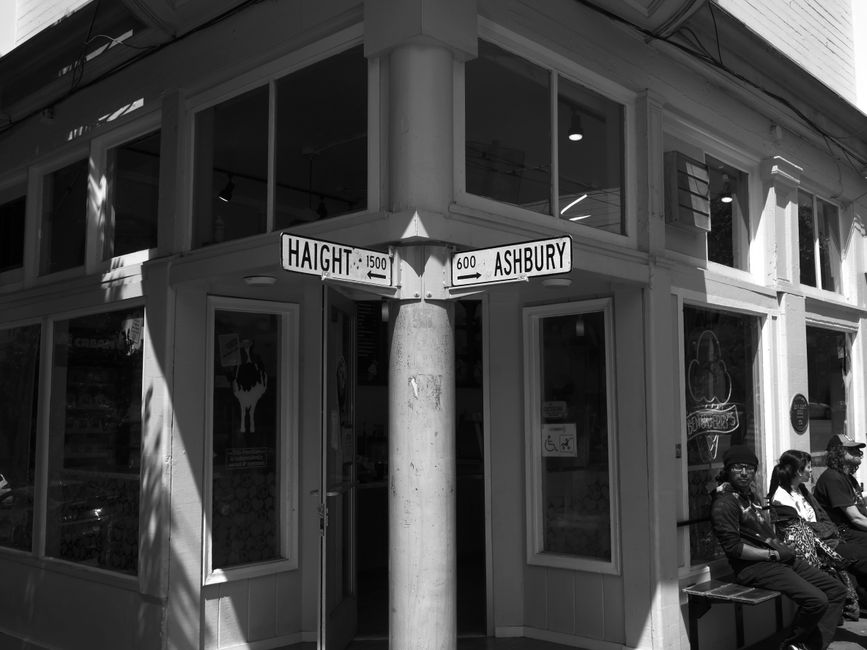
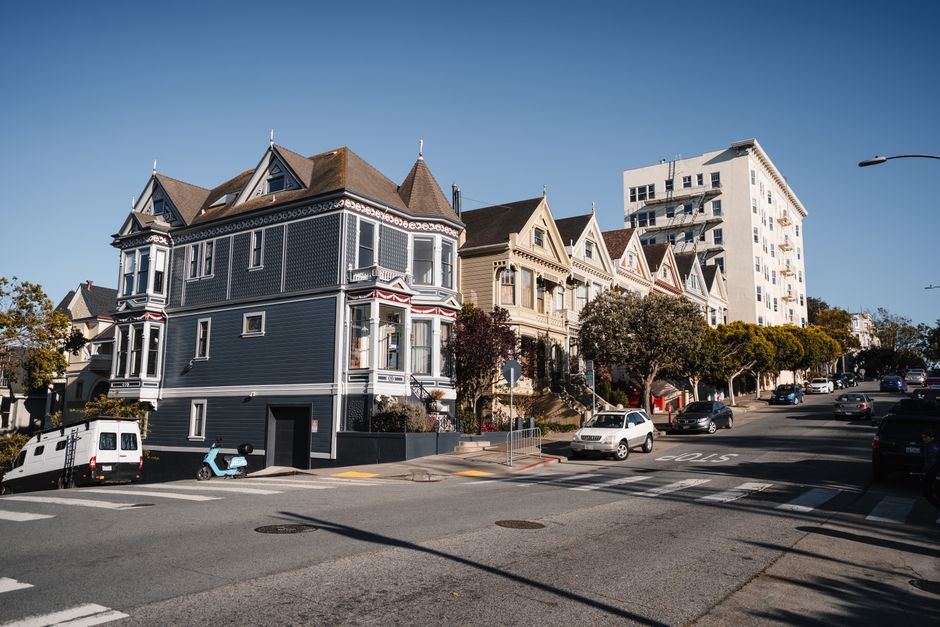
Haight Ashbury’s charm goes far beyond its vintage shops and colorful murals — it’s the people living, working, and dreaming here who keep the neighborhood’s spirit alive. As summer 2026 welcomes locals and visitors to the city, a deeper exploration of this storied San Francisco district reveals rich stories etched in its winding streets and eclectic venues.
The neighborhood’s cultural legacy, rooted in the 1960s counterculture movement, draws curiosity every year, but it’s the ongoing narratives of residents who call Haight Ashbury home that give the area its dynamic identity now. With rising rents and changing demographics challenging San Francisco’s urban communities, Haight Ashbury’s blend of long-time residents, artists, entrepreneurs, and non-profits showcases resilience and adaptation.
Walking along Haight Street, you’ll find the Red Victorian—a uniquely decorated guesthouse and community hub on the corner of Haight and Clayton Streets. Operated by the Haight Ashbury Community Cooperative, the Victorian isn’t just a colorful lodging spot; it hosts cultural events and artist residencies that highlight neighborhood stories. Meanwhile, Amoeba Music at 1855 Haight Street stands as a landmark for music lovers, selling vinyl and fostering a community space that echoes the street’s artistic lineage.
Organizations such as The Haight Ashbury Free Clinics, established in 1967, continue to play a vital role. Serving over 15,000 patients annually, the clinic embodies the neighborhood’s commitment to accessibility and community care, offering free health and dental services mostly to underinsured residents. The presence of these institutions illustrates Haight Ashbury’s layered community fabric—where history and contemporary life intersect.
According to a 2025 report from the San Francisco Planning Department, approximately 3,200 people reside in the Haight Ashbury neighborhood, with a median household income of $78,000, slightly below the city average of $90,000. Rent prices have soared as well; average one-bedroom apartments now ask around $3,100 per month, a 12% jump from two years prior, creating pressures for long-term residents.
Despite these challenges, the neighborhood maintains a vibrant commercial scene. Small businesses along Haight Street and Waller Street attract roughly 5,500 daily visitors, blending locals with tourists seeking authentic San Francisco experiences beyond the typical landmarks.
Local art studios such as the Haight Street Art Center and neighborhood bookshops like Green Apple Books on Clement Street, though technically just outside the Haight boundaries, contribute significantly to the area's creative ecosystem, offering workshops and readings that deepen communal ties.
For those wanting to experience Haight Ashbury’s distinct culture firsthand, participating in neighborhood walking tours operated by San Francisco Heritage offers guided insights into the stories behind famous landmarks and hidden gems. These tours run daily, typically $30 per person, and connect attendees with longtime residents who share firsthand accounts of the area's evolution.
As Haight Ashbury continues to evolve in 2026, its character remains defined by the people who breathe life into its streets—their memories, struggles, and celebrations creating a vivid and ongoing portrait. Whether you’re a San Francisco native or visitor, taking the time to engage with the community through local events, public art, and grassroots organizations will offer a richer understanding of why this neighborhood remains a San Francisco treasure.
How does this story make you feel?
Spread the word
About this article
Published by The Daily San Francisco
Daily brief
Free, in your inbox before 7am. Weekdays.
More in lifestyle