Haight-Ashbury's Countercultural Legacy Thrives Through Affordable Vintage Shops, Bars
The San Francisco neighbourhood's countercultural legacy lives on, but navigating vintage shops, dive bars, and street murals requires strategy in 2026.
The San Francisco neighbourhood's countercultural legacy lives on, but navigating vintage shops, dive bars, and street murals requires strategy in 2026.
Haight-Ashbury hasn't lost its pulse. Walk down Haight Street on any Saturday afternoon and you'll find buskers playing outside Amoeba Music, teenagers clustered on stoops, murals covering nearly every wall between Masonic and Central avenues. The neighbourhood that became synonymous with the 1960s psychedelic movement and the Summer of Love still draws seekers, artists, and the simply curious. But accessing that spirit in 2026 means understanding what costs money, what costs nothing, and where locals actually gather versus where tourists get fleeced.
The economics of San Francisco's neighborhoods have shifted dramatically since even five years ago. Rents in the Haight average $3,200 for a one-bedroom apartment, according to recent SF Chronicle data, pricing out many who once made the neighbourhood their home. Yet the community institutions that defined the area-thrift shops, music venues, muralist collectives, and grassroots nonprofits-remain surprisingly accessible. The question for visitors and new arrivals is straightforward: where do you spend, where do you look, and what's actually free?
Start at the Haight-Ashbury Community Center, located at 1800 Fell Street, where you'll find free community events, art exhibitions, and information about local initiatives. The nonprofit runs free yoga sessions on Tuesday mornings and hosts neighbourhood assemblies where residents actually discuss issues like homelessness and street safety. It costs nothing to walk in. The Sweetwater Spectrum, a nonprofit supporting autistic young adults, operates a thrift shop at 1725 Haight Street where furniture, records, and clothing go for $2 to $15. Profits fund their job training programs. You're shopping with purpose.
Amoeba Music, the legendary independent record store that's occupied 1855 Haight Street since 1997, charges nothing to browse. Vinyl albums run $8 to $30 depending on condition and rarity; used CDs hover around $5 to $10. The staff actually know music-they're not algorithms. Across the street, Wasteland, a vintage clothing boutique, prices used band t-shirts at $18 to $35 and vintage Levi's at $40 to $80. Cheap compared to Union Street, but still retail. For actual deals on secondhand clothing, head to Positively Haight, a consignment shop at 1400 Haight where you can find decent vintage pieces for $10 to $25.
Food remains one of the neighbourhood's genuine draws. Pork Store Cafe serves breakfast burritos for $9 and maintains a counter-culture vibe without the markup. Cha Cha Cha, a tapas bar on Haight Street, has appetizers starting at $5 and maintains a neighbourhood crowd alongside tourists. Both are institutions; both keep prices reasonable.
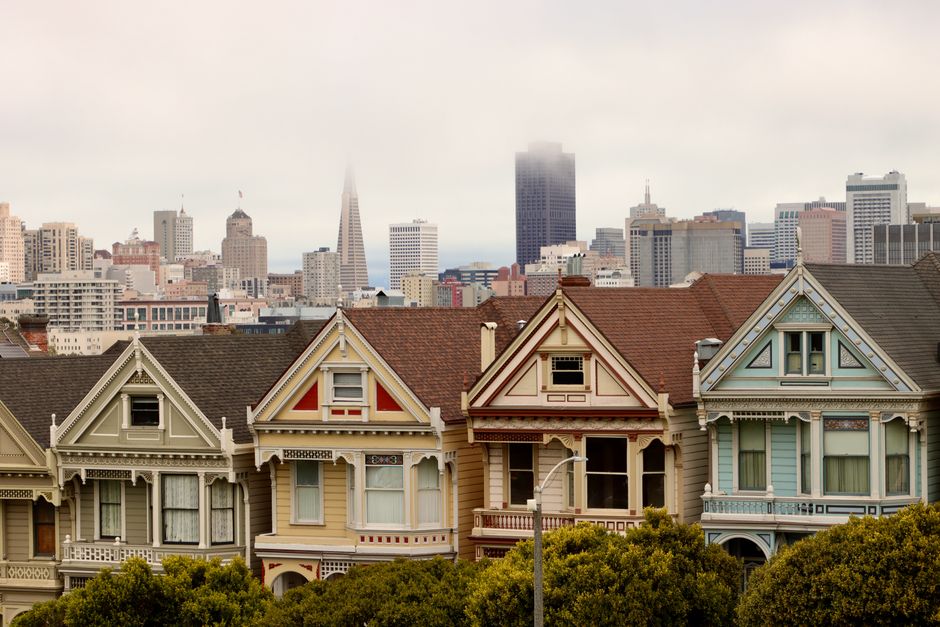
The Haight's visual identity-endless murals by resident and visiting artists-is entirely free. Wander Ashbury Street between Haight and Golden Gate Avenue to find work by local collectives. The Clarion Alley Mural Project, technically in the Mission but worth knowing about, documents muralism's role in SF's counterculture. The Haight's murals are less organized but more authentic to daily neighbourhood life. Bring a camera or just walk slowly.
But understand what you're paying for elsewhere. A beer at The Red Victorian Bed & Breakfast's bar, housed in a 1892 Victorian with murals inside, runs $8 to $12. The building itself functions as an informal cultural space-the rooftop has hosted countless bands-but it's still a commercial venue. The Fillmore District, just south of the Haight proper, hosts major concerts at The Fillmore (rock acts, $35 to $75 tickets) and Jazz Heritage Center performances ($20 to $40). These aren't free, but they're where actual music history happens.
If you're planning a Haight visit, budget $50 to $100 for a solid day: coffee, one decent meal, maybe a used record or vintage find, a beer. Skip the tourist trap head shops charging $35 for basic paraphernalia. Spend your money at Sweetwater Spectrum and Positively Haight. Eat where locals eat. Walk everything between Masonic and Central-that's the real neighbourhood. The spirit isn't sold in shops anyway. It's in the free street art, the cheap tacos, the random conversations on corners, and the fact that people still choose to live here despite the rent.
How does this story make you feel?
Spread the word
About this article
Published by The Daily San Francisco
Daily brief
Free, in your inbox before 7am. Weekdays.
More in lifestyle