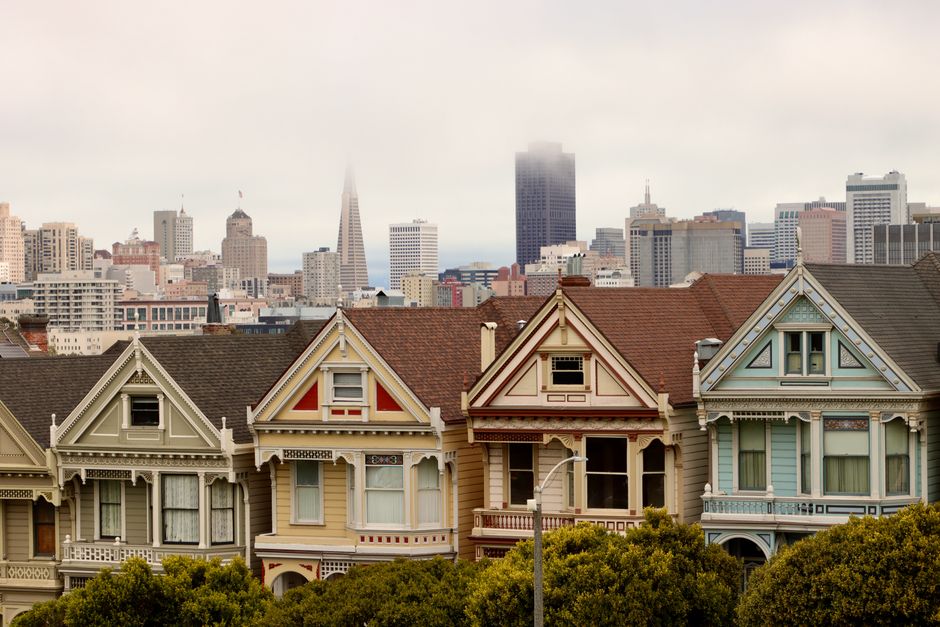
The Haight is no longer the Haight of 1967. Walk down Haight Street between Fillmore and Stanyan these days and you'll encounter a neighbourhood caught between its own mythology and an urgent present. Vintage clothing shops still line the block, but they've been joined by a craft coffee roaster that sources beans from a cooperative in Oaxaca, a plant-based restaurant with a three-week waiting list for weekend reservations, and a co-working space where tech workers negotiate freelance rates on Slack. The transformation is neither complete nor comfortable-it reflects the same tensions rippling through San Francisco's entire housing and commercial landscape.
For decades, Haight-Ashbury traded on its reputation as the birthplace of the Summer of Love. Tour buses circled the intersection at Haight and Ashbury Streets daily. Head shops sold tie-dye and bongs. But that narrative, locals say, had become a caricature that obscured what residents actually wanted their neighbourhood to be. "The mythology became a cage," says one longtime vendor at the Haight-Ashbury Farmers Market, which operates every Wednesday at the corner of Waller and Cole Streets and has become a quiet anchor for neighbourhood identity.
Old Guard Meets New Economy
The demographic shift is quantifiable. According to Zillow data from early 2026, median rent for a two-bedroom apartment in Haight-Ashbury climbed to $3,200 monthly-up nearly 40 percent from 2021. That displacement pressure has culled some institutions. The original location of Magnolia Thunderpussy, the neighbourhood's oldest independent music venue, closed in 2024 after 31 years. Yet other longtime fixtures have adapted. Wasteland, the vintage fashion store that opened on Haight Street in 1988, now operates as a consignment cooperative where neighbourhood residents own stakes and share decision-making on inventory and pricing.
The tension between preservation and evolution plays out in real time on the neighbourhood's commercial corridors. The Haight-Ashbury Neighborhood Association, founded in 1969, now runs community dinners and safety committees that would've seemed quaint during the neighbourhood's anarchic heyday. Cole Valley, the quieter eastern edge of the district, has become a hub for young families priced out of the Mission or Inner Sunset, who populate the playgrounds around Franklin Elementary and patronise the newer boutique bakeries along Cole Street.
What's Actually Happening Here Now
The Haight-Ashbury Free Clinic, established in 1967 to serve the counterculture youth, still operates from its original location on Clayton Street. Today it treats a different population: elderly residents aging in place, recent immigrants, and unhoused people who access services at rates that have grown 60 percent since 2020, according to clinic administrators. The organisation's budget expanded accordingly, drawing funding from tech foundations and corporate donors who've relocated to San Francisco offices in South of Market.
Meanwhile, the neighbourhood's identity as an arts incubator persists, albeit in different forms. The Red Victorian, the bed-and-breakfast on Haight Street that became famous for its psychedelic murals, now functions partly as a residency space for visiting artists applying through a formal selection process. Meanwhile, street art has become institutionalised through the city's Mural Arts program, which allocates $2.8 million annually across neighbourhoods. Haight-Ashbury receives about $180,000 of that budget, administered in consultation with local merchants and residents.
If you're moving to the neighbourhood or considering it, know this: the Haight remains affordable relative to much of San Francisco, but only if you're willing to share a two-bedroom with two other people. The independent bookstore Bound Together still operates on Haight Street as a worker-owned collective. Thursday night walking tours still depart from the corner of Haight and Ashbury, though they're now run by the neighbourhood association rather than itinerant guides. The farmers market on Wednesday mornings remains genuinely useful if you actually live there, not just a photo opportunity. That distinction-between what serves residents and what serves tourists-may be the neighbourhood's actual defining shift.