lifestyle
Haight-Ashbury's Real Story: Residents Keep San Francisco's Most Human Neighborhood Alive
Fifty years after the Summer of Love faded, the district's real story lives in its residents-the immigrant shopkeepers, the young artists, and the longtime community activists who keep the neighborhood grounded.
How we reported this
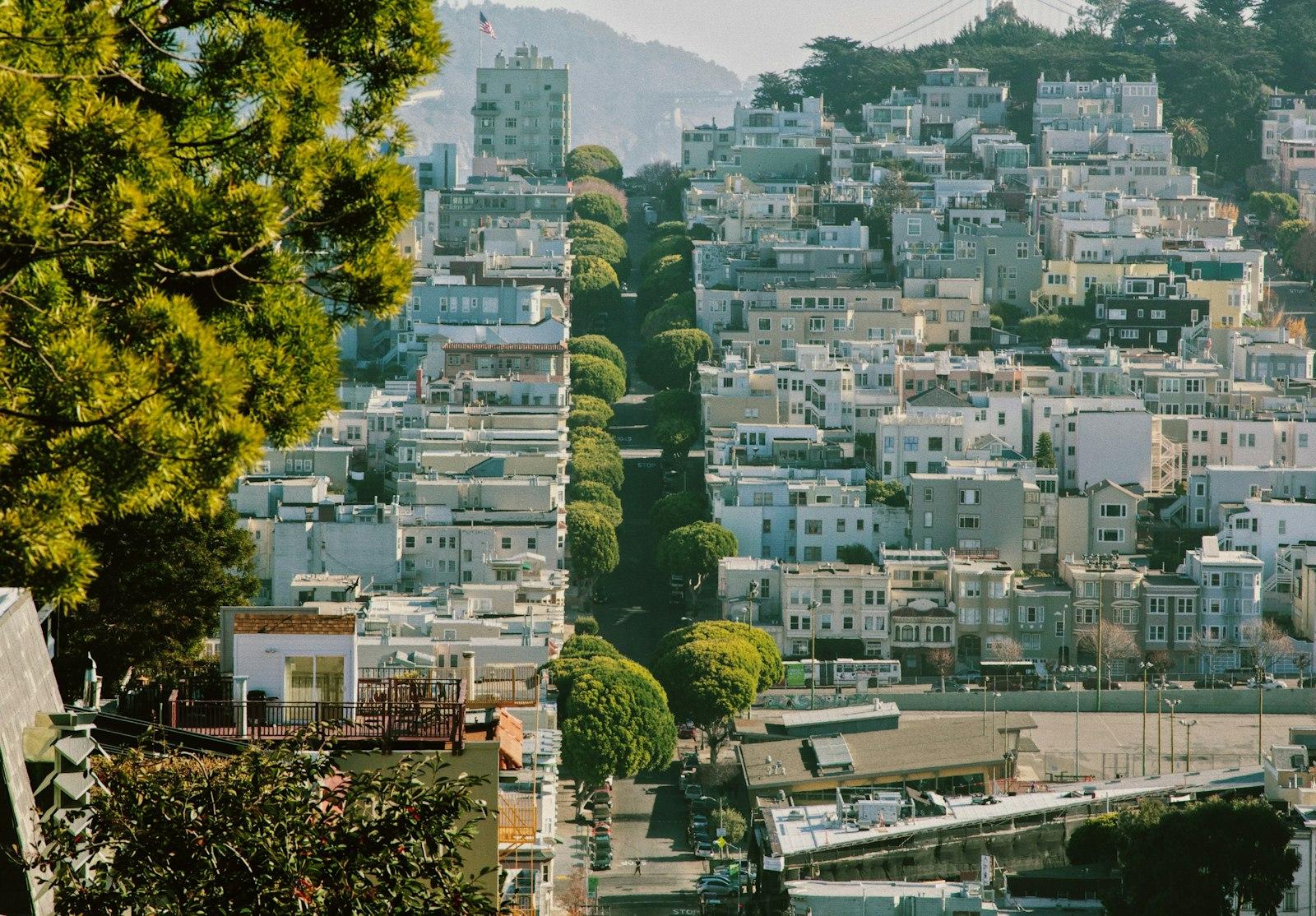
The Haight-Ashbury intersection draws roughly 8,000 tourists a day in summer. Most come for the Instagram moment-a photo under the street sign, maybe a stop at a vintage shop, then back to their hotels in SoMa or SOMA. What they miss is the actual neighborhood: the people who've built lives here despite soaring rents, gentrification pressures, and the relentless machinery of San Francisco's tourism economy.
This matters now because San Francisco is at a crossroads. The city's population declined by roughly 6 percent between 2020 and 2024, according to the most recent census estimates. Downtown retail vacancy hit record highs. Yet neighborhoods like the Haight-long dismissed as a relic of 1960s excess-are showing surprising resilience. The people who live here are actively choosing to stay, and they're reshaping what the district means for a city that keeps trying to reinvent itself.
Where the Real Community Lives
Walk down Haight Street between Masonic and Ashbury in early July, and you'll find the Haight-Ashbury Free Clinic operating since 1967, still providing healthcare to uninsured residents at 558 Clayton Street. The clinic's needle exchange program serves roughly 200 people weekly. Three blocks west, the Haight-Ashbury Improvement Association runs community meetings from a modest office above a coffee shop, tackling everything from street sanitation to parking permits. The organization's executive director held a community forum just last month about the proposed renovations to Golden Gate Park's Panhandle, the green space that borders the district's northern edge.
These institutions don't generate headlines. They generate continuity. They're the reason longtime residents-people who moved here in the 1990s and 2000s, not the 1960s-still feel connected to something larger than themselves. The nonprofit Hospitality House, located two blocks away on Golden Gate Avenue, operates a job training program that's placed 47 formerly homeless individuals into permanent positions over the last fiscal year. One graduate now works full-time at a bakery on Divisadero Street.
The economics tell the story of who can actually afford to live here. A one-bedroom apartment in the Haight runs $2,800 to $3,200 monthly as of July 2026. That's less than the Marina or Pacific Heights, but still brutal on service-industry wages. Yet the neighborhood maintains surprising demographic diversity. Census tract 170.01, which covers most of the core Haight, is 32 percent Latino, 28 percent white, 18 percent Asian, and 12 percent Black-closer to San Francisco's citywide average than many wealthier neighborhoods.
The Businesses That Choose to Stay
Several independent retailers have defied the churn. Amoeba Music at 1855 Haight Street-the legendary record store that opened in its current location in 1997-still employs 22 people and moves used vinyl faster than most chains move new inventory. The owner recently renewed the lease through 2032. Two doors down, the Pork Store Cafe has served breakfast and soul food since 1989. The same family still owns it. Both businesses see regular customers who've been coming for decades, not days.
The restaurant scene has shifted. Where the Haight once meant tie-dye and head shops, you now find Vietnamese pho, Ethiopian injera, and Mexican taquerias reflecting the neighborhood's actual population. This isn't gentrification's version of diversity-it's the neighborhood's working residents feeding themselves and each other.
If you live in San Francisco and want to understand what holds the city together beyond tech money and venture capital, spend an afternoon in the Haight. Grab lunch at one of the family-run spots. Stop into the Free Clinic if you've got health questions and no insurance. Attend a community meeting. The people you meet won't be famous, won't be performing their San Francisco-ness for social media. They'll just be living here, stubbornly and deliberately, in one of the few neighborhoods where that choice still feels possible.