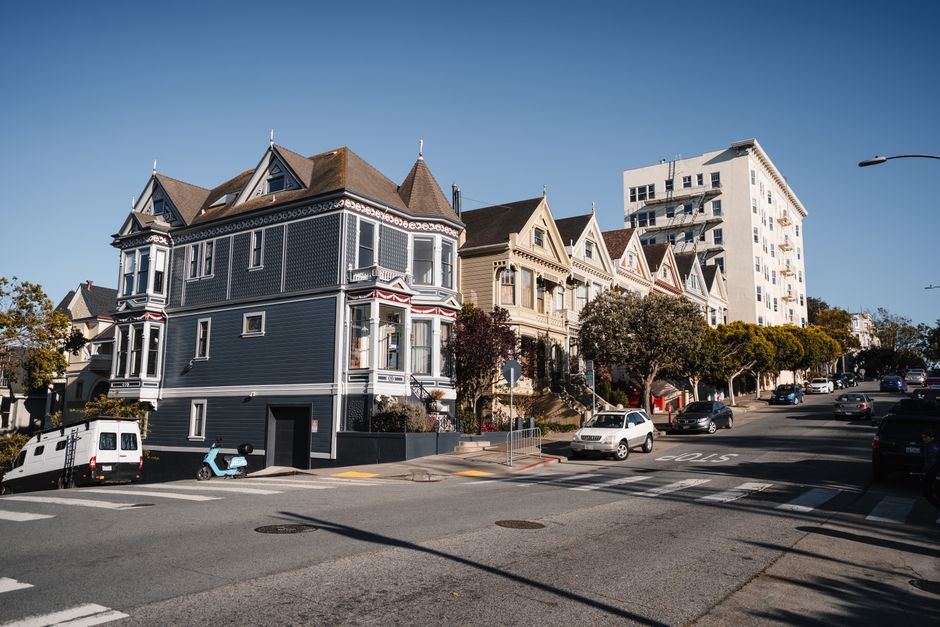
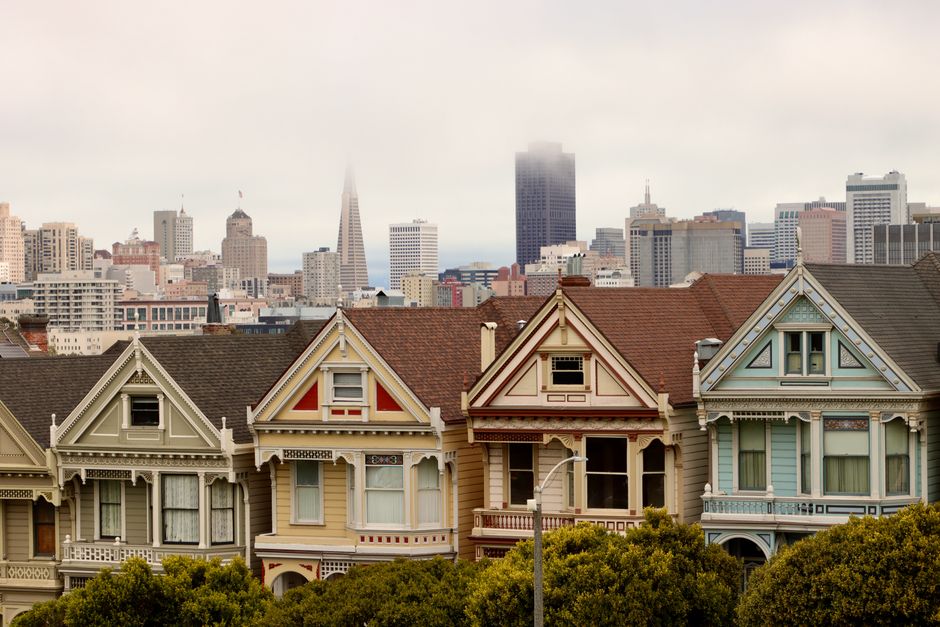
The vintage record shop on Haight Street that closed in 2019 has reopened, but not as a tourist honeypot. Instead, it's become a gathering spot for neighborhood residents who live within five blocks, many of whom have moved here in the past two years specifically because the area has stopped performing its tired counterculture act and started becoming livable again.
This shift matters now because San Francisco's housing crisis and remote work exodus have forced a reckoning in neighborhoods that relied on transient visitor dollars. Haight Ashbury, once synonymous with flower crowns and overpriced tie-dye for Instagram, is experiencing what locals call the "normalization"-a practical recalibration where longtime residents outnumber day-trippers for the first time since the early 2000s. The changes are subtle but real: fewer novelty shops, more family-owned groceries, apartment buildings converting short-term rentals back to long-term leases.
Walk the intersection of Haight and Ashbury on a weekday afternoon and you'll see the difference. The Wasteland, a vintage clothing staple that survived by catering to locals rather than tourists, now shares the block with Bi-Rite Market, which reopened a smaller Haight location in 2024 after focusing on its Mission District flagship for years. Two blocks south on Cole Street, the Booksmith-an independent bookseller-remains packed during evening hours with people who actually live in the zip code.
The Numbers Behind the Shift
Rent in Haight Ashbury averaged $2,840 per month for a one-bedroom in June 2026, down from $3,200 in 2023, according to rental data tracked by local property managers. That 12 percent decrease reflects broader San Francisco trends, but in Haight it's meant something specific: long-term residents are staying, and younger families are moving in. The Western Neighborhoods Master Plan, updated by the city in 2024, specifically identified Haight Ashbury as a zone for stabilizing residential populations rather than maximizing tourist capacity-a policy reversal from the previous decade.
What's changed most is the daytime foot traffic pattern. Visitors still arrive, but they're no longer the primary economic driver. Local business owners report that 60 to 70 percent of weekday customers live within the neighborhood boundaries now, compared to roughly 20 percent in 2018. The free community gardens operated by San Francisco Parks and Recreation on lower Haight have waiting lists for the first time in a decade, with residents using plots to grow vegetables rather than ornamental plants for Instagram photos.
Why People Are Staying
The neighborhood's appeal to actual residents stems from practical advantages that tourists never notice. The J-Church light rail line runs directly through Haight, connecting it to downtown and the Mission in under 20 minutes. The Haight Ashbury Recreation Center, on Stanyan Street, expanded its youth programs in 2025 to include after-school tech classes and sports leagues-amenities that matter to parents deciding where to raise kids. Small independent cafes like Pique Coffee have replaced chain locations, and their regulars are neighbors with standing orders, not transients sampling the vibe.
For people considering a move to the neighborhood, the practical advice is straightforward: visit on a Tuesday or Wednesday, not a weekend. Check rental listings on neighborhood-specific platforms like Zillow's Haight Ashbury filter or ask at Bi-Rite Market about coming openings. The neighborhood association, Haight Ashbury Improvement Association, maintains updated information about community programs and upcoming changes to zoning that might affect housing stock. Expect to pay less than you would have three years ago, but more than you'd pay in outer Sunset or Richmond. Most importantly, understand that you're moving to a residential neighborhood that happens to have a famous history, not a theme park with apartments attached.