Inside Look at the Neighbourhood Character and Community Vibe of Haight Ashbury
How San Francisco’s iconic district balances its historic counterculture roots with today’s diverse, vibrant community life.
How San Francisco’s iconic district balances its historic counterculture roots with today’s diverse, vibrant community life.
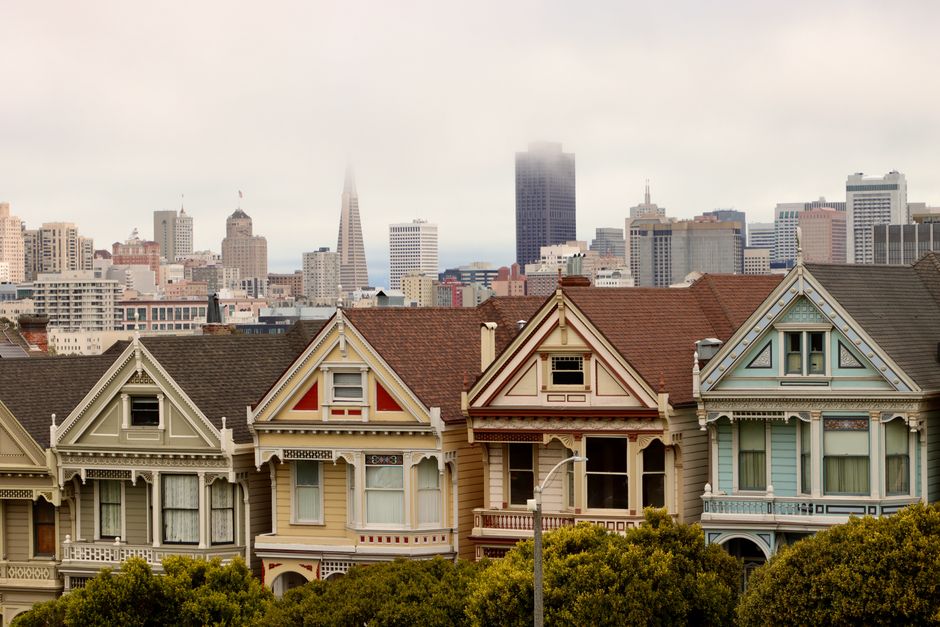
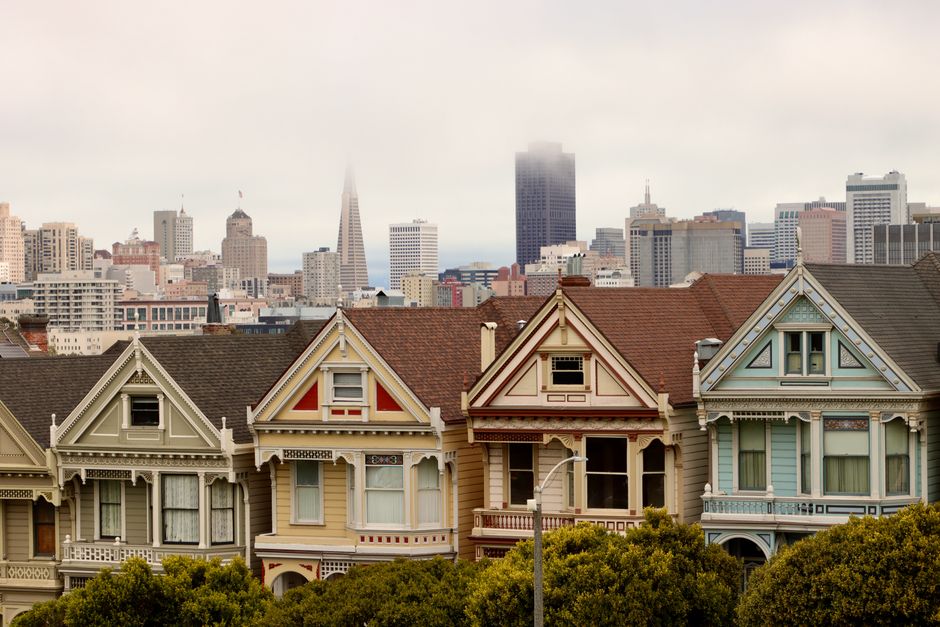
Haight Ashbury remains a beacon of San Francisco’s famed counterculture, but beneath its psychedelic past, the neighbourhood is evolving with a fresh energy rooted in community engagement and cultural diversity. Visitors and locals alike find the area offering more than just nostalgic tie-dye and vintage stores—it hums with a complex character reflecting residents’ creativity and activism.
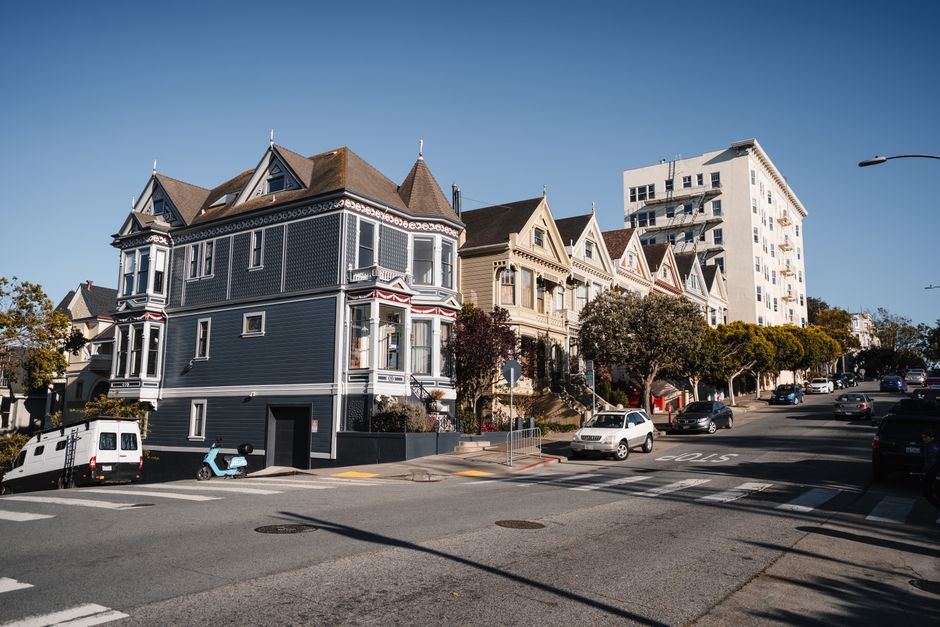
This matters now as Haight Ashbury continues to navigate the pressures of urban change.amid soaring housing prices and shifting demographics. The neighbourhood’s signature Victorian homes sit alongside new cafés and cooperative spaces, making the district an important microcosm of San Francisco’s broader housing and cultural debates in 2026.
Walking down Haight Street, one encounters landmarks like the Red Victorian, a boutique hotel that also operates as a community hub focused on social justice and ecological sustainability. Nearby, Amoeba Music draws music lovers from around the city with its vast collection of vinyl and live in-store performances, a testament to the area’s ongoing role as a creative hub. These venues support local artists and musicians, reinforcing Haight Ashbury’s enduring identity as a cultural incubator.
Community spaces like The Lab, a multidisciplinary arts centre at Fulton and Clayton Streets, foster collaboration among artists and residents. The Lab’s yearly price for membership is $120, supporting its educational programs and exhibitions. Its presence in the neighbourhood underscores the area’s commitment to nurturing diverse voices, bridging generations from the Summer of Love to today’s digital natives.
According to the San Francisco Planning Department, Haight Ashbury saw a 14% increase in resident-perceived community engagement activities between 2023 and 2026. Meanwhile, median rent for a one-bedroom apartment near Haight Street reached $3,200 in mid-2026, reflecting the affordability challenges persisting for long-time residents. Local non-profits like the Haight Ashbury Neighborhood Council actively campaign for tenant protections to retain the neighbourhood’s unique social fabric amid redevelopment pressures.
Street festivals, such as the annual Haight Ashbury Street Fair held every August, continue to draw thousands, combining music, crafts, and food from diverse cultural backgrounds, reinforcing community bonds. The fair’s organizers report that since 2024, attendance has increased by nearly 25% as programming expanded to include wellness workshops and youth art projects.
For those interested in exploring Haight Ashbury's character firsthand, consider visiting on a weekend to experience its bustling farmers market at the corner of Haight and Masonic or checking the calendar at The Red Victorian for public events. Both provide a genuine sense of the community's heartbeat beyond the usual tourist trails.
Looking ahead, residents and business owners in Haight Ashbury are actively discussing sustainable development plans with the city, aiming to preserve the neighbourhood’s artistic heritage while encouraging affordable housing and green spaces. Anyone hoping to engage with the neighbourhood might start by attending monthly Haight Ashbury Neighborhood Council meetings, open to the public and a space where local issues and celebrations merge.
How does this story make you feel?
Spread the word
About this article
Published by The Daily San Francisco
Daily brief
Free, in your inbox before 7am. Weekdays.
More in lifestyle