Haight Ashbury Uncovered: Tips and Honest Recommendations from Locals Who Live It Daily
From secret vintage shops to hidden cafés, San Francisco residents share their go-to spots and insights for experiencing Haight Ashbury beyond the tourist trail.
From secret vintage shops to hidden cafés, San Francisco residents share their go-to spots and insights for experiencing Haight Ashbury beyond the tourist trail.
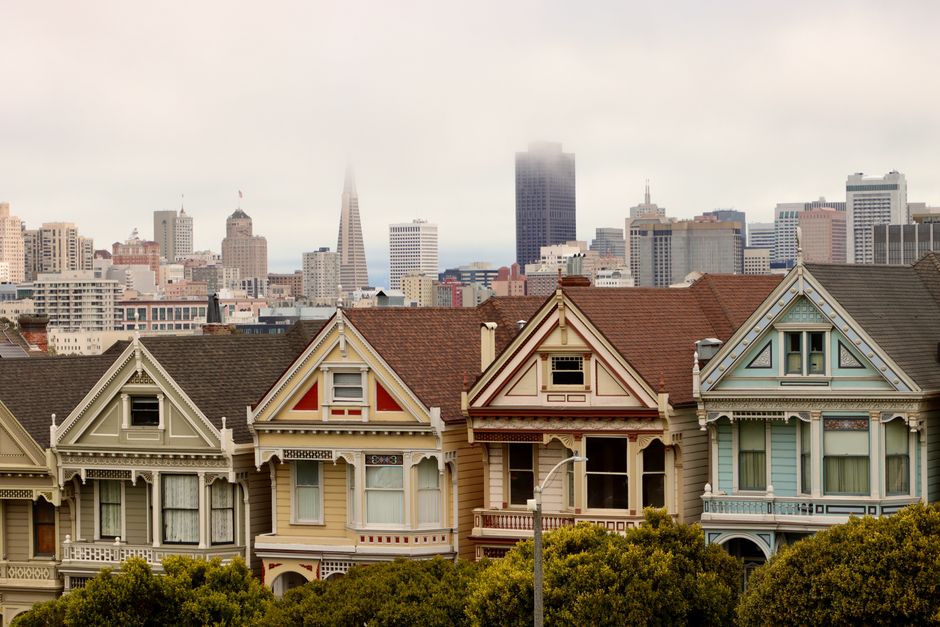
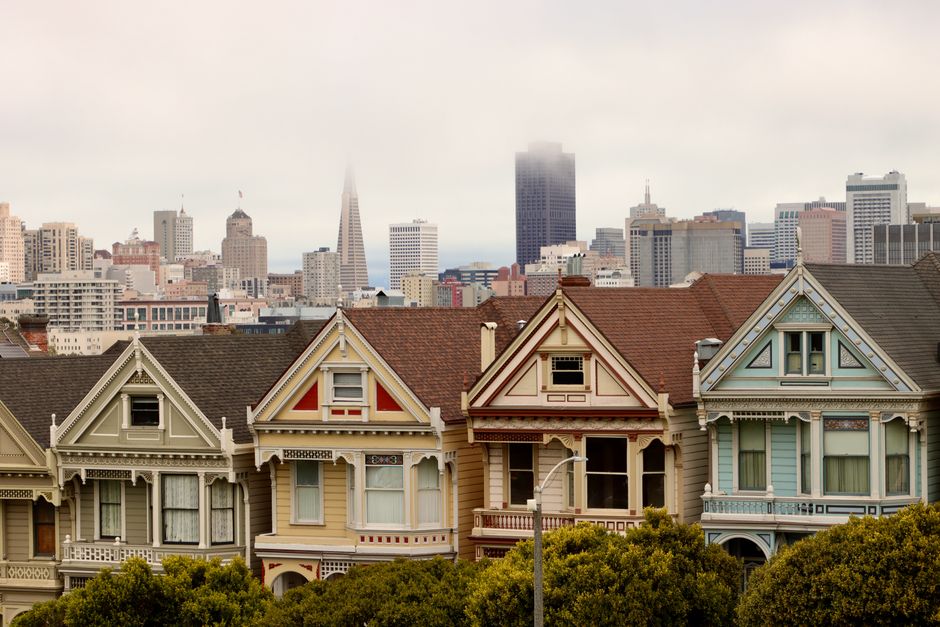
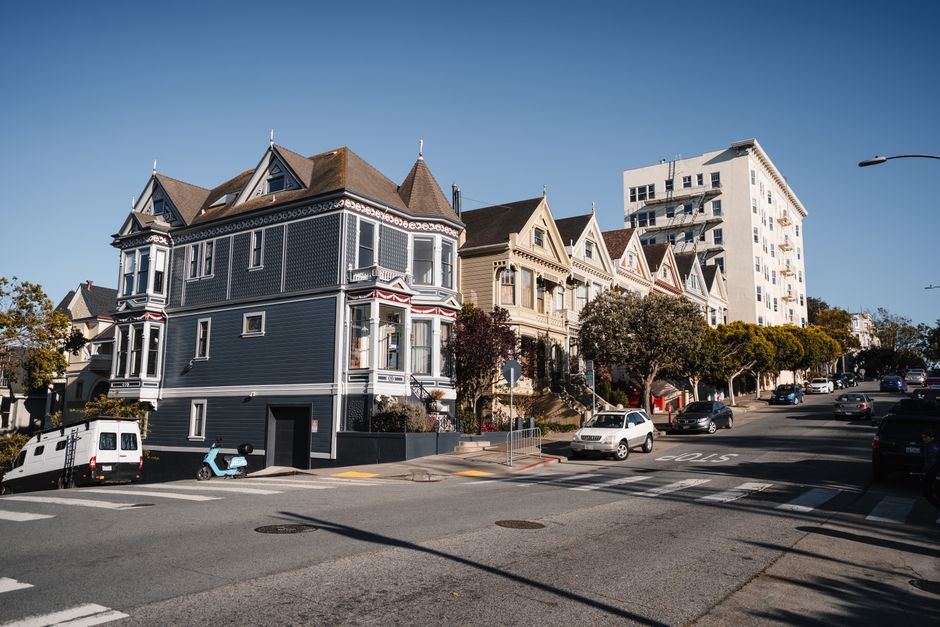
Haight Ashbury remains a must-visit neighborhood in San Francisco, but if you want to experience it like a local, you’ll need more than a quick walk down Haight Street and a photo at the Red House. Locals who call this iconic district home offer candid advice on where to really eat, shop, and unwind, revealing the area’s evolving charm in 2026.
Why hear from locals now? The neighborhood’s history as the epicenter of 1960s counterculture often overshadows its current day-to-day rhythm. With increasing development pressures and a changing demographic, insights from residents illuminate a side of Haight Ashbury that still values individuality and community. This past year, the area saw a 12% increase in visitors compared with 2025, according to San Francisco Travel, making local perspectives especially relevant for those seeking an authentic experience rather than just another tourist snapshot.
The ever-popular Haight Street, known for its array of vintage clothing outlets and music stores, remains a draw. But locals highlight the nearby Cole Street as a quieter alternative with gems like Indigo Handloom, a family-owned boutique specializing in fair-trade apparel and textiles, tucked between residential homes. “It’s where I go when I want unique finds without the crowds,” said a longtime resident who asked to stay anonymous.
Food-wise, many rally behind Cha Cha Cha, a vibrant tapas restaurant on Haight Street at Waller, known for its sangria and bustling patio that feels like a Mediterranean escape. Another favorite is Pocket, a hybrid café and bookstore at 1414 Haight Street, blending specialty coffee with curated local literature, perfect for a lazy morning or afternoon recharge.
Visitors should note that while Haight’s eclectic vibe suggests affordability, pricing can be higher in some spots due to the area’s desirability. For example, a classic vintage leather jacket runs from $150 to $350 at key thrift shops like Decades of Fashion Vintage, one of the oldest in the district. Meanwhile, tapas plates at Cha Cha Cha cost between $10 and $18, with a typical dinner for two averaging around $70 including drinks.
Neighborhood data reveals that Haight Ashbury's residential population remains stable at roughly 12,000, with annual rent averages hitting $3,200 for one-bedroom apartments as of June 2026, according to Zumper. This stability supports a number of long-term, community-focused businesses that prioritize local clientele over transient tourism.
For anyone planning a visit or looking to delve deeper into the neighborhood’s vibe, midweek afternoons are typically best for quieter streets and friendlier service. Weekends, particularly around the iconic intersection of Haight and Ashbury streets, can become congested, partly due to ongoing summer festivals and street fairs that began last month and continue through Labor Day.
Ultimately, Haight Ashbury today is a blend of history and present-day vibrancy curated by locals who balance nostalgia with progressive community engagement. Those who go beyond the obvious landmarks and ask residents for their favorite haunts can discover the authentic beats that still pulse through this storied San Francisco neighborhood.
How does this story make you feel?
Spread the word
About this article
Published by The Daily San Francisco
Daily brief
Free, in your inbox before 7am. Weekdays.
More in lifestyle