Haight-Ashbury Still Pulses With Community Spirit—Here's Where to Find It
Beyond the tie-dye tourists, this San Francisco neighbourhood harbours genuine creative spaces and local institutions that define its character.
Beyond the tie-dye tourists, this San Francisco neighbourhood harbours genuine creative spaces and local institutions that define its character.
Walk down Haight Street on a Friday evening and you'll see the neighbourhood's split personality on full display. Vintage clothing shops sit next to chain coffee outlets. Street performers compete for attention with buskers. Yet beneath the commercial veneer, Haight-Ashbury maintains something the rest of the city is desperately trying to hold onto: a functioning community with real roots.
The neighbourhood's character survives because longtime residents and business owners have actively resisted homogenization. The Haight-Ashbury Improvement Association, founded in 1978, still convenes monthly meetings where neighbours debate zoning, parking, and storefront vacancies. These aren't abstract policy discussions—they're survival tactics for a district that has weathered gentrification waves since the 1990s. Today, the median rent for a one-bedroom apartment in the Haight runs around $2,800 monthly, according to recent market data, forcing many working artists and service workers to occupy the neighbourhood's remaining affordable units or leave entirely.
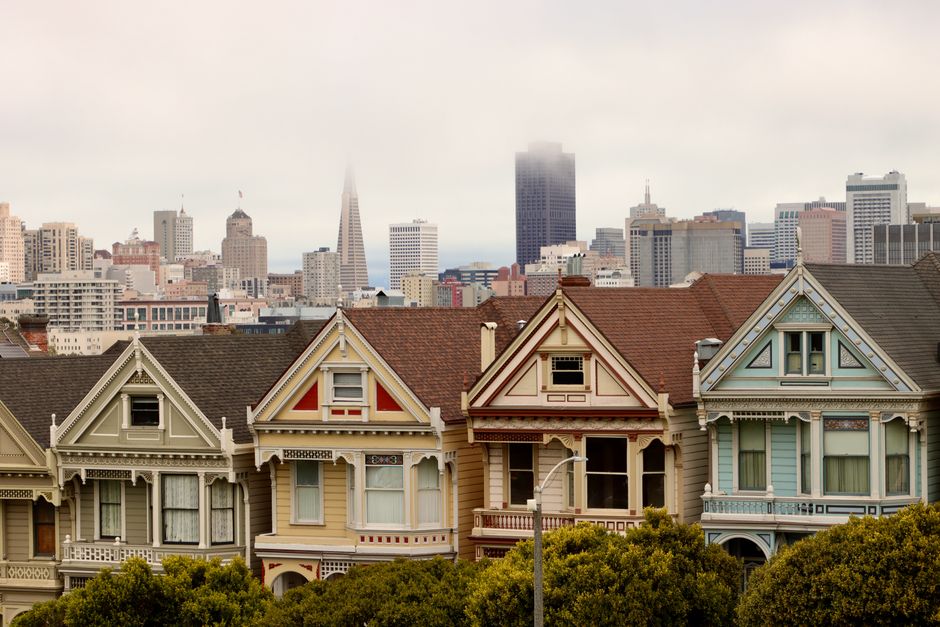
Start at Alamo Square Barbershop, tucked on Fillmore Street near the Painted Ladies viewpoint. It's been operating since 1972, and the same barber chairs still hold regular customers—construction workers, tech employees, retirees—all paying $28 for a haircut. The shop's owner knows every regular by name. Three blocks away, Amoeba Music on Haight Street occupies a 40,000-square-foot former movie palace. Record collectors line up before opening on weekends. The staff debates album quality in the aisles, and browsing there remains free, making it a social gathering spot rather than merely a retail transaction.
The Booksmith, another institution on Haight between Clayton and Cole Streets, hosts author readings most weeks. Their July calendar fills with local writers discussing everything from San Francisco housing politics to creative nonfiction. The shop opened in 1976 and remains independently owned—a rarity on this block.
Community gardens tucked behind residential blocks tell another story. The Haight-Ashbury Community Development Corporation manages several plots where neighbours grow vegetables and share harvests. The Buena Vista Park Community Garden, accessible from the residential side streets near Central Avenue, operates entirely through volunteer labour and neighbourhood donations.
The neighbourhood hosts a farmers market every Sunday morning at the corner of Haight and Stanyan Streets, running since 2003. Local vendors from Marin and Sonoma counties sell directly to residents for 8 hours every weekend. Prices range from $2 for a bunch of beets to $6 for berries, pulling foot traffic that includes both longtime residents and newcomers seeking authentic neighbourhood experience.
Cultural institutions matter here too. The Haight-Ashbury Free Clinic, operating continuously since 1967, still provides free medical and dental care to uninsured residents, seeing roughly 1,200 patients monthly. Its existence shapes the neighbourhood's identity—this remains a place where community health takes priority over market rates.
Street fairs still happen. The Haight Street Fair, held annually in June, shuts down several blocks for a day where local nonprofits, musicians, and restaurants set up booths. Last year's event drew approximately 25,000 people, though the organisers deliberately limit corporate sponsorships to preserve the event's community character.
If you're visiting, skip the themed tour groups and instead spend an afternoon in these spaces: nurse a coffee at one of the older cafes, browse used books, talk to the people actually living here. The tie-dye still exists on Haight Street, but the real neighbourhood lives one block over, where the same families have paid rising rents for decades and fought to keep their community intact.
How does this story make you feel?
Spread the word
About this article
Published by The Daily San Francisco
Daily brief
Free, in your inbox before 7am. Weekdays.
More in lifestyle