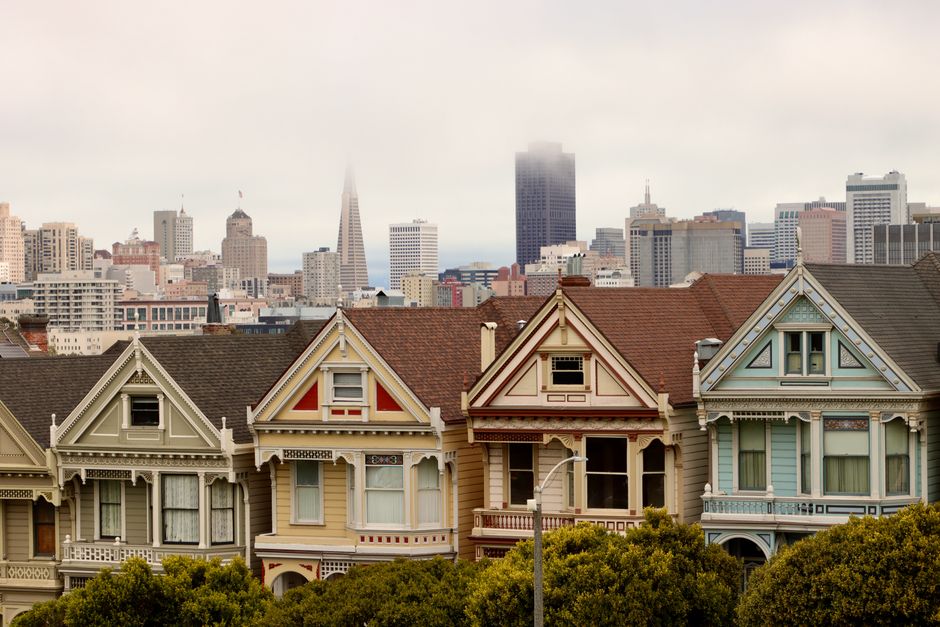
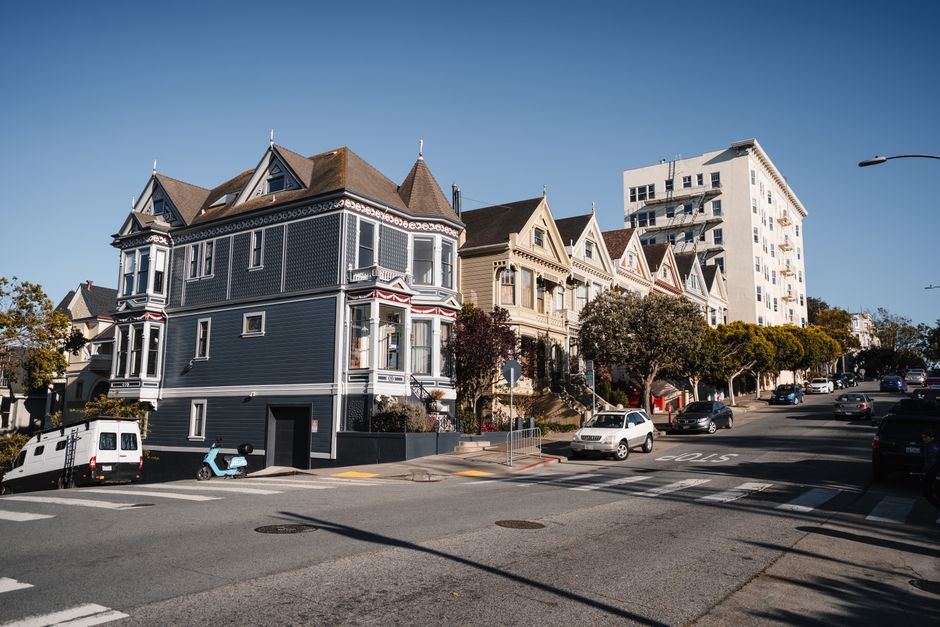
The corner of Haight and Ashbury no longer looks like a theme park dedicated to the Summer of Love. Walk those two blocks on a Thursday afternoon and you'll spot something that would've been unthinkable five years ago: neighbors actually living here on purpose, not just passing through.
The shift happened gradually, then suddenly. Starting around 2023, longtime residents and recent arrivals began investing serious money and energy into what had become—let's be honest—a neighborhood you skipped unless you wanted overpriced tie-dye and street hassle. Now the vintage stores stock actual inventory curated by people who know their Levi's 501s from their 505s. The galleries hang work that challenges rather than soothes. Coffee shops serve something better than nostalgia.
Much of this tracks to the neighborhood's loss of appeal to the party crowd. The pandemic hollowed out foot traffic. Remote work killed the weekend crush. By 2024, storefronts sat empty for months. Rent prices, which had climbed to $3,200 monthly for a one-bedroom by 2022, began sliding. That's when the actual creative class—designers, photographers, small business owners priced out of the Mission and Hayes Valley—started looking at Haight-Ashbury not as a punch line but as an opportunity.
Reclamation, Block by Block
The transformation is visible on Ashbury Street between Page and Waller. Blue Collar, a vintage workwear boutique that opened in early 2025, sits three doors down from Wasteland, the longtime consignment anchor. Both now compete not on nostalgia markup but on actual curation. Blue Collar owner sources 1950s Carhartt jackets and Pendleton shirts, priced $45 to $120 depending on condition. Wasteland has cut its tourist merchandise and doubled down on rare band tees and genuine vintage Levi's, with prices ranging $80 to $400.
Over on the Haight proper, two developments signal serious neighborhood commitment. The Haight-Ashbury Improvement District, a merchant group formed in 2024, has successfully reduced visible street drug use through foot patrols and coordination with the SFPD Taraval Station. The group covers roughly 12 blocks from Divisadero to Clayton. More visibly, the San Francisco Heritage Center opened a permanent exhibition space in a renovated storefront at 1529 Haight in spring 2026, documenting the neighborhood's actual history—the families who lived here before 1965, the Japanese community, the African American heritage—not just the famous weeks.
Food Done Right
Restaurants provide the clearest evidence locals have returned. Squid Ink, a small Japanese breakfast spot on Cole Street, opened last October and now has a 20-minute wait most mornings. Prices run $14 for tamago donburi, $16 for tonkatsu sandwiches. Three blocks over, Magnolia Bakery moved to a larger space on Ashbury in March, offering sourdough and pastries at $4 to $7—underpriced compared to Mission locations and targeted at neighborhood residents, not tourists buying one item as a photo prop.
The data confirms what locals observe. Commercial real estate trackers reported 14 new business openings on the Haight-Ashbury corridor between January 2025 and June 2026, down from the predatory retail of 2019-2022 but more meaningful. Foot traffic peaked at 2.3 million monthly visitors in summer 2019, crashed to 840,000 in 2021, and stabilized at roughly 1.2 million by late 2025—lower volume but better-quality commerce.
If you're heading out this Fourth of July weekend, skip the Haight-Ashbury Street Fair crowds and hit the neighborhood early on a weekday instead. The real Haight exists Tuesday mornings when you can actually browse without jostling. Park near Divisadero, walk east to Cole, dip into the side streets. You'll find what locals now know: this place works again when tourists aren't the point.