Global Instability Is Reshaping San Francisco's Investment Landscape
As geopolitical tensions ripple across mining, energy, and trade routes, local businesses face margin pressures and shifting capital flows.
As geopolitical tensions ripple across mining, energy, and trade routes, local businesses face margin pressures and shifting capital flows.
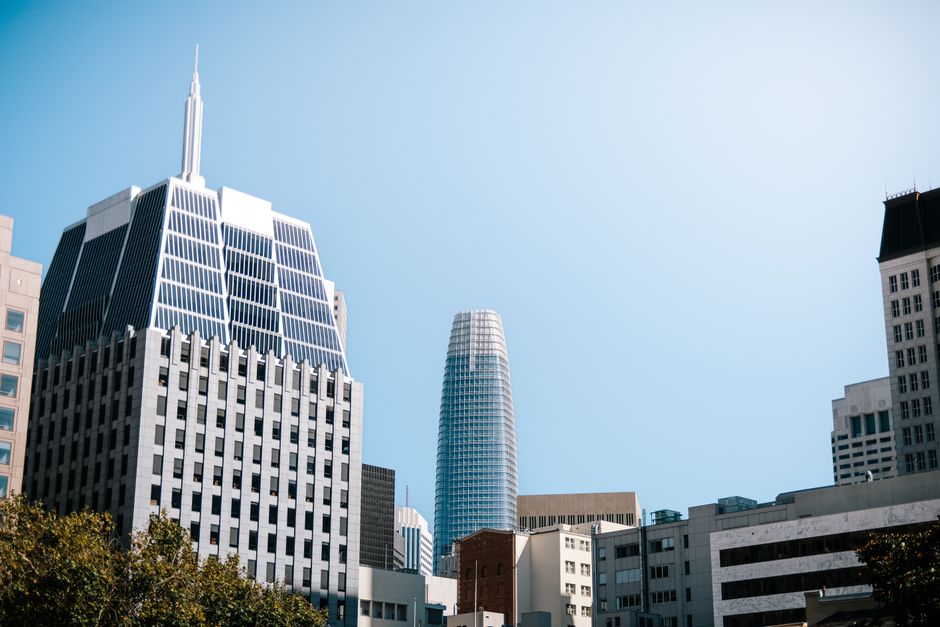
San Francisco's venture capital firms and established corporations are confronting an uncomfortable truth: the world's instability is no longer a distant concern. It's reshaping investment strategies, labor costs, and operational decisions right here on Market Street and beyond.
The reshuffling is particularly acute in sectors dependent on global supply chains. Recent geopolitical friction—from mining deal complexities to shipping route tensions through critical straits—has forced Bay Area executives to recalculate risk models that assumed relatively stable international trade. Companies in the South of Market tech corridor are discovering that their cost-of-capital calculations no longer account for the old normal.
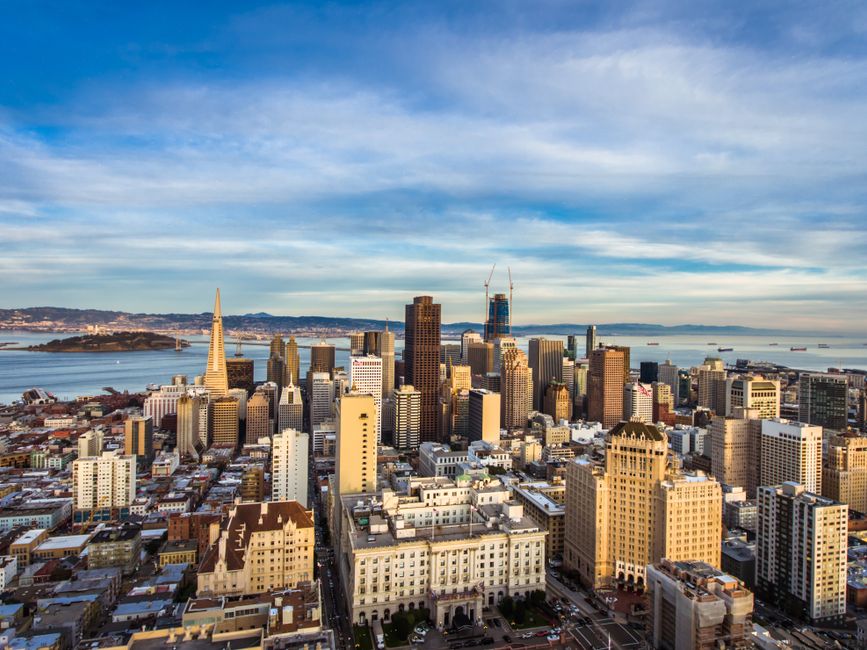
Real estate markets in neighborhoods like SOMA and the Financial District reflect this anxiety. Office leasing, already pressured by remote work trends, now contends with another headwind: multinational firms slowing expansion plans amid global uncertainty. Commercial rents on Bush Street have stabilized rather than appreciated, a notable shift for a market accustomed to perpetual growth.
For San Francisco's workforce, the effects are more tangible. Local cost-of-living pressures—where median rents in the Mission District hover around $2,800 for a one-bedroom—intersect with slower wage growth in sectors tied to global economic health. Companies typically aggressive about salary increases are now more cautious, citing reduced client spending and tightened margins.
The disruption extends to hospitality and tourism-dependent businesses along the Embarcadero and near Union Square. International visitor spending, a crucial economic input for the city, faces headwinds from geopolitical uncertainty that keeps wealthy travelers closer to home. Hotels are adjusting occupancy forecasts downward.
Meanwhile, institutional investors are rethinking exposure to global equities. The San Francisco-based investment community—managing trillions in assets—increasingly allocates capital toward domestic-focused opportunities, with a particular focus on healthcare and tech infrastructure serving U.S. markets. This reallocation has subtle but real consequences for startups dependent on Series A funding from risk-tolerant venture partners.
The paradox is striking: San Francisco remains a global financial hub, yet its business ecosystem is being forced to think more regionally. Companies that thrived by assuming borderless commerce are now stress-testing scenarios involving trade friction, currency volatility, and supply-chain alternatives.
Local business leaders acknowledge the adjustment won't be quick. The cost of hedging against global uncertainty—whether through higher insurance premiums, inventory buffers, or reduced leverage—gets baked into operating costs. For a city where margins matter, every percentage point counts.
This article was compiled by AI from the sources linked above and screened before publishing. See our editorial standards.
How does this story make you feel?
Spread the word
About this article
Published by The Daily San Francisco
Daily brief
Free, in your inbox before 7am. Weekdays.
More in Business