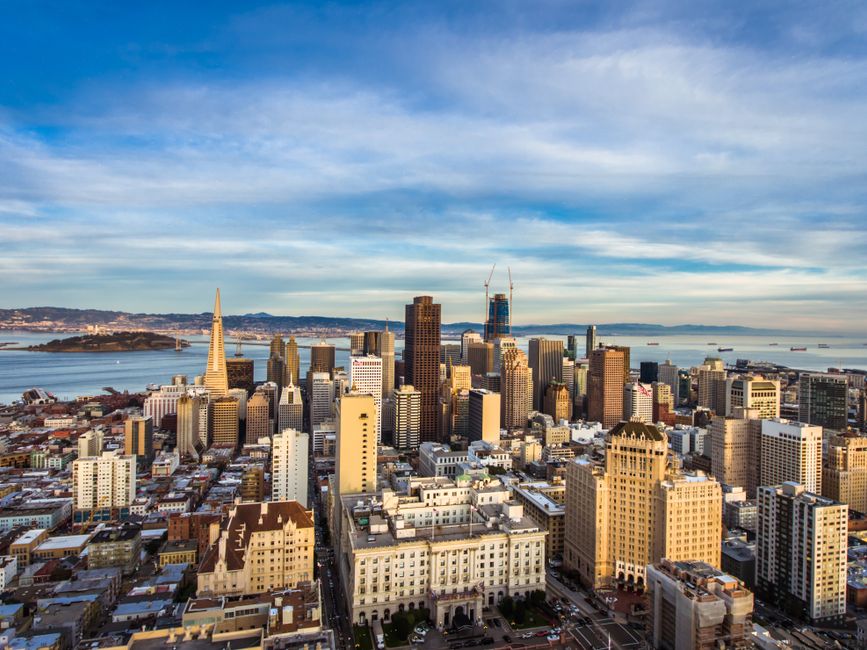
San Francisco's startup ecosystem isn't just reshaping Market Street and the Salesforce Transit Center—it's quietly rewriting the economics of your daily life. Whether you're a tech worker, a landlord, or simply someone trying to afford coffee in the Mission District, you're embedded in a system that's fundamentally changed how the city works.
The numbers tell a stark story. Venture capital flowing into Bay Area startups reached $28 billion in 2025, with San Francisco capturing roughly 40 percent of that investment. That capital concentration has real consequences for residents. Average market-rate rents in SoMa—ground zero for the startup ecosystem—hover around $3,200 for a one-bedroom apartment, nearly double what they were a decade ago. The Mission District, once the city's cultural heart, has seen similar pressures as startups expand south from the Financial District.
But here's what everyday residents should understand: you're not just paying higher rent because of greedy landlords. You're paying it because venture-backed companies are burning through massive burn rates, attracting highly paid talent that compresses housing demand into specific neighborhoods. A software engineer at a Series B startup in SoMa might earn $250,000 annually—and that's not unusual. That wage gravity pulls up prices across entire neighborhoods.
The benefits, however, are genuine. San Francisco's startup ecosystem has created sustained economic vitality. Job growth in professional services and technology has remained resilient even as broader tech employment fluctuated. Local small businesses—the coffee shops, restaurants, and gyms around the Rincon Hill area or along Valencia Street—depend on this spending power. The city's tax base has expanded, funding improvements to public transportation and schools, even as inequality deepens.
What consumers need to grasp is that the innovation economy isn't separate from your experience of the city—it's the foundation beneath it. When you order a ride on a startup-backed service, you're touching venture capital. When you scroll through a social media feed, you're using a platform built on billions in startup funding. When you pay $18 for a cocktail near the Ferry Building, you're in an economy made possible by this venture-driven ecosystem.
The question San Francisco residents face isn't whether to embrace or reject the startup economy—it's already embedded in daily life. It's whether the city can manage its consequences: housing affordability, neighborhood character, and equitable access to the prosperity it generates. Understanding how startups reshape the city is the first step toward demanding better balance.
This article was compiled by AI from the sources linked above and screened before publishing. See our editorial standards.