Global Instability Reshapes Bay Area Business Strategy as Local Costs Spiral
Geopolitical tensions and currency fluctuations are forcing San Francisco companies to rethink supply chains, hiring, and expansion plans.
Geopolitical tensions and currency fluctuations are forcing San Francisco companies to rethink supply chains, hiring, and expansion plans.
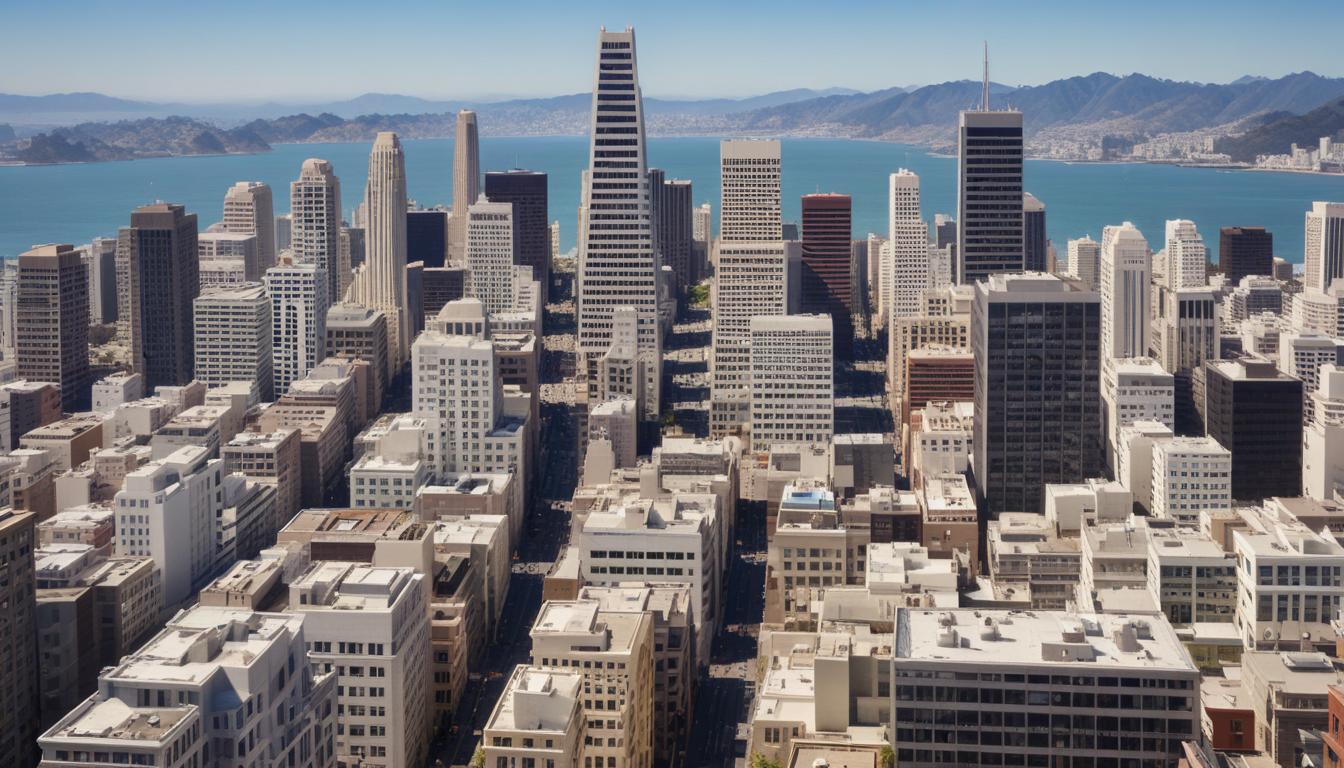
The tremors rippling through global markets are hitting San Francisco's business community where it hurts most: the bottom line. As tensions escalate between the U.S. and Iran, Venezuela's humanitarian crisis deepens, and Pakistan-Afghanistan hostilities intensify, Bay Area executives are grappling with a new reality—one where international instability directly translates to local economic pressure.
For tech and manufacturing firms headquartered along the Embarcadero and South of Market, the calculus has shifted dramatically. Supply chain disruptions tied to Middle East tensions are driving up component costs, while currency volatility makes hiring and expansion decisions far more precarious. Companies sourcing materials through the Strait of Hormuz—a chokepoint handling roughly one-third of global maritime oil trade—are already factoring in risk premiums that ripple through pricing models.
The impact cascades into neighborhoods where San Francisco's workforce actually lives. In the Mission District and the Sunset, where median rent hovers around $3,200 per month, cost-of-living pressures are intensifying as companies absorb higher operational expenses. Several venture capital firms on Sand Hill Road have quietly adjusted hiring freezes upward, citing margin compression from geopolitical hedging costs.
"When your supply chain depends on stable corridor access and that access becomes uncertain, you're essentially paying a tax on uncertainty," explains one local CFO who requested anonymity. Manufacturing delays linked to shipping route volatility mean longer project timelines, and those delays get baked into client contracts—often at the expense of employee salaries and benefits in a market already struggling with retention.
The Venezuela earthquake and ongoing humanitarian crises abroad are also reshaping investment flows. Insurance costs for international operations have spiked, and reinsurance premiums—which affect everything from commercial real estate to tech park coverage—are climbing. A downtown office building on Market Street recently saw its renewal quotes jump 18 percent, according to local brokers.
Meanwhile, Iranian nuclear negotiations create a different headwind. Venture firms betting on energy tech and climate solutions face timing uncertainty—breakthrough talks could accelerate renewable investment timelines, or collapse and trigger another energy price shock. That ambiguity is already visible in pitch meetings across the Financial District.
For San Francisco's small and mid-sized businesses, the equation is starker. A SoMa-based logistics startup cannot easily absorb the kind of currency hedging or supply chain insurance costs that larger corporations can distribute across global operations. Some are relocating support functions or cutting headcount to preserve runway.
As geopolitical uncertainty persists, San Francisco's business community faces an uncomfortable truth: local cost pressures and global instability are no longer separate problems. They're interlocked.
This article was compiled by AI from the sources linked above and screened before publishing. See our editorial standards.
How does this story make you feel?
Spread the word
About this article
Published by The Daily San Francisco
Daily brief
Free, in your inbox before 7am. Weekdays.
More in Business