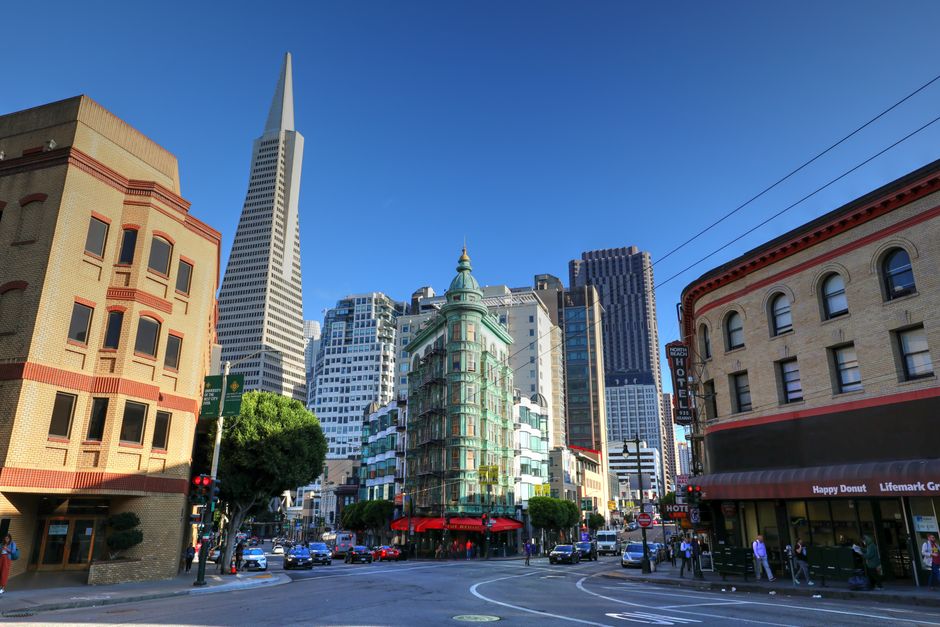
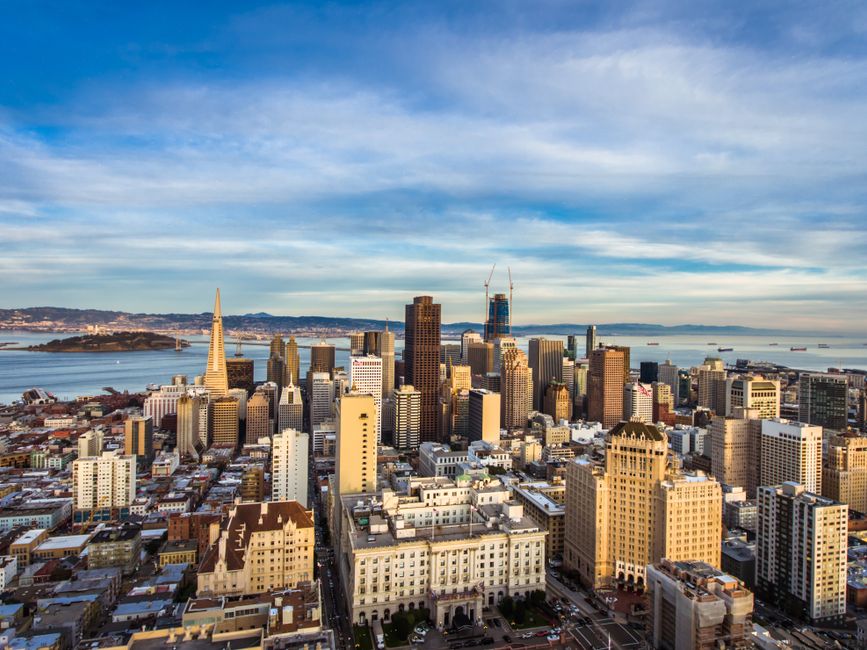
The transformation is unmistakable along Bryant Street and the surrounding blocks of South of Market. Where warehouse conversions once attracted digital media companies and e-commerce startups, a new wave of climate technology founders are signing leases, securing funding, and setting up operations. The shift reflects a broader reordering of Silicon Valley's priorities—and San Francisco's commercial real estate market is already reflecting the winners and losers.
Commercial brokers report that office space in the SoMa corridor between 3rd and 6th Streets has seen an uptick in leasing activity from green technology firms, particularly those focused on battery storage, hydrogen production, and industrial decarbonization. Average asking rents in the neighborhood hover around $45 to $55 per square foot annually, down from pre-pandemic peaks but now climbing again as specialized tenants compete for proximity to major venture capital offices and the University of California's climate research partnerships.
The beneficiaries are becoming clearer. Property owners who repositioned aging commercial buildings for mixed-use or tech tenancy over the past three years are seeing renewed demand. Simultaneously, venture capital firms with dedicated climate and sustainability funds—including established players who previously focused on consumer software—are expanding their San Francisco footprints. Several regional VC firms have announced new climate-focused investment vehicles totaling over $400 million combined in the past eighteen months.
Startup founders themselves report easier access to specialized talent and infrastructure. Accelerators like the SOMA Innovation Hub and smaller incubators have launched dedicated climate tech tracks, while University of San Francisco and San Francisco State have expanded entrepreneurship programs with climate specializations. One emerging benefit: proximity to both regulatory expertise and potential corporate customers in the Bay Area's established renewable energy and utility sectors.
However, the opportunity is not evenly distributed. Early-stage founders from underrepresented backgrounds report that climate tech funding, while growing, remains concentrated among investors with existing networks in traditional tech circles. Real estate accessibility presents another barrier: even at current rates, a small climate startup's lease on 2,000 square feet in SoMa represents a significant ongoing expense.
Industry observers suggest the next eighteen months will determine whether this green tech cluster becomes as economically significant as the digital media boom that previously defined SoMa. What's certain is that the commercial real estate brokers, landlords, and venture capitalists positioned early are already benefiting—regardless of whether the startups themselves succeed.
This article was compiled by AI from the sources linked above and screened before publishing. See our editorial standards.