How a Mission District Hospitality Veteran Built San Francisco's Hottest Tour Company
As visitor numbers rebound, one entrepreneur is reimagining how tourists experience the city beyond the Golden Gate.
As visitor numbers rebound, one entrepreneur is reimagining how tourists experience the city beyond the Golden Gate.
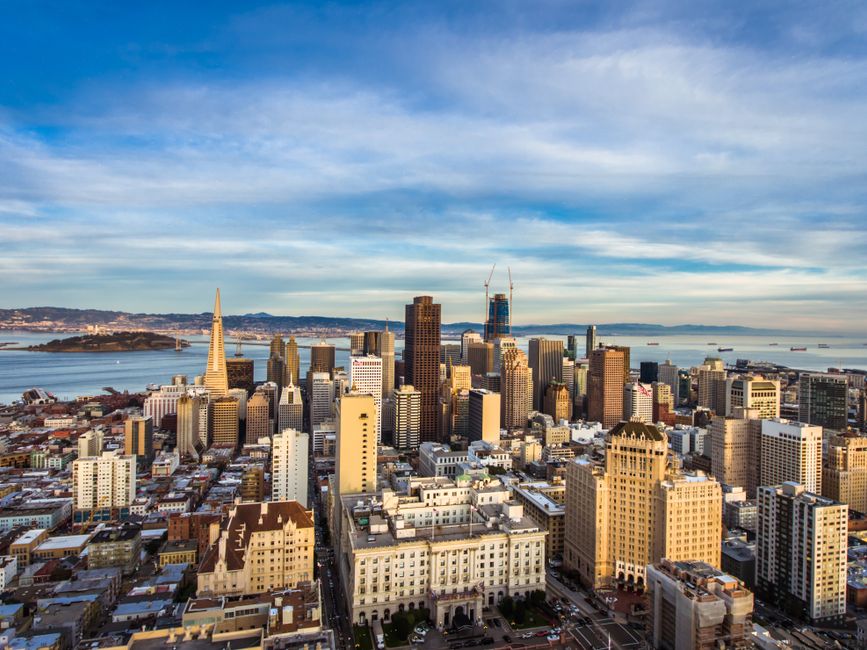
San Francisco's tourism sector has roared back to life. Last year, the city welcomed 9.2 million visitors, nearly matching pre-pandemic peaks, according to Travel San Francisco. Yet amid the crowded cable cars and packed Fisherman's Wharf, a new breed of experience-focused entrepreneurs are capturing a growing slice of the visitor economy—one intimate, neighborhood-focused tour at a time.
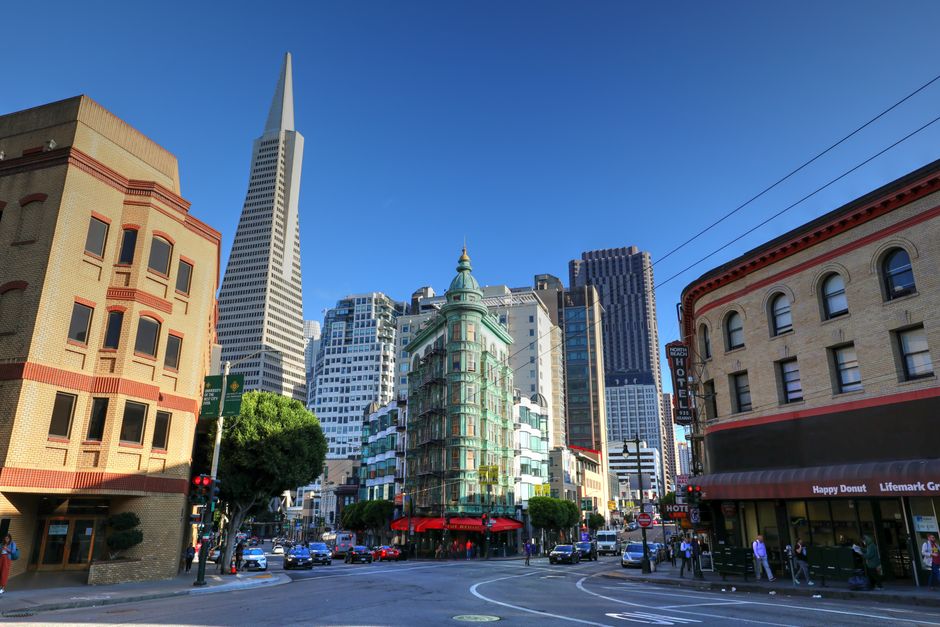
Consider the trajectory of Windward Experiences, a locally-founded tour company now operating out of a compact office on Valencia Street in the Mission. Since launching in 2023, the company has grown from three guides to a team of twelve, running specialized walking tours that steer clear of the usual downtown hustle. Instead, visitors find themselves in the backstreets of the Mission, the hidden gardens of the Castro, and the industrial-chic alleys of SOMA—places that rarely appear in conventional guidebooks.
The economics make sense. While a standard Golden Gate Bridge tour runs $50 to $75 per person, Windward's neighborhood deep-dives command $89 to $120, with profit margins that underscore the value tourists place on authentic, curated experiences. The company now books roughly 150 tours monthly, a volume that translates to sustainable, year-round employment in a city where hospitality jobs remain competitive.
The model taps into a documented shift in visitor preferences. The San Francisco Travel Association reports that 64 percent of leisure travelers now prioritize "local experiences" over landmark visits—a sharp climb from just 45 percent in 2019. Younger visitors especially favor guides who can offer neighborhood history, street art context, and restaurant recommendations that feel earned rather than commercial.
What distinguishes this approach is local rootedness. Many guides maintain day jobs in adjacent fields—a graphic designer, a community organizer, a culinary instructor—lending authentic credibility to their narratives. Tours routinely include stops at neighborhood-owned cafes and shops, benefiting the broader Mission ecosystem rather than extracting value toward distant corporate shareholders.
The success hasn't gone unnoticed. The San Francisco Chamber of Commerce recently highlighted neighborhood tour operators as a emerging bright spot in the city's post-pandemic recovery, noting their lower operational overhead and higher per-visitor spending compared to traditional tour bus operators.
As San Francisco recalibrates its identity as a tourist destination, entrepreneurs building the visitor economy from the ground up—rather than the top down—are helping ensure that tourism dollars circulate through the communities that make the city worth visiting in the first place.
This article was compiled by AI from the sources linked above and screened before publishing. See our editorial standards.
How does this story make you feel?
Spread the word
About this article
Published by The Daily San Francisco
Daily brief
Free, in your inbox before 7am. Weekdays.
More in Business