San Francisco's Financial Advisory Sector Faces Perfect Storm of Headwinds in 2026
Rising operational costs, talent exodus, and regulatory uncertainty are squeezing margins at wealth management firms across the Bay Area.
Rising operational costs, talent exodus, and regulatory uncertainty are squeezing margins at wealth management firms across the Bay Area.
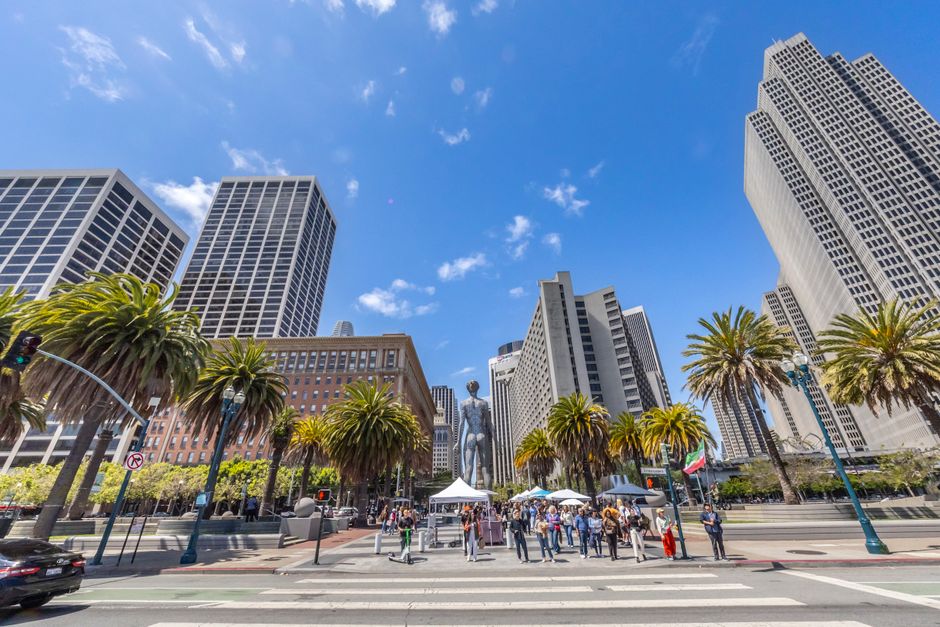
San Francisco's financial services sector, long a pillar of the city's economy, is navigating treacherous waters in 2026. From the gleaming towers of the Financial District to the venture-backed fintech hubs in SoMa, investment advisors and wealth managers are confronting a convergence of challenges that threaten profitability and client retention.
The mathematics are brutal. Commercial office space in the Financial District now commands $85 to $95 per square foot annually—a modest decline from pandemic peaks, but still prohibitively expensive for mid-sized advisory firms. Meanwhile, talent retention remains acute. Senior wealth managers and financial analysts command six-figure salaries, yet many are relocating to Austin, Denver, and Miami, drawn by lower living costs and remote work flexibility. A financial advisor earning $200,000 in San Francisco faces a cost of living roughly 40 percent higher than the national average, straining household budgets despite six-figure incomes.
Regulatory pressure compounds these headwinds. New Securities and Exchange Commission guidelines on environmental, social, and governance disclosures have forced advisory firms to overhaul compliance infrastructure—a costly undertaking for smaller players concentrated around Montgomery Street and the Embarcadero. Simultaneously, California's evolving fiduciary standards have created legal uncertainty that demands expensive legal counsel.
Client acquisition costs are rising. Digital marketing channels that once efficiently reached high-net-worth individuals in neighborhoods like Pacific Heights and the Marina now demand premium spending to compete with established mega-firms. Traditional networking venues—private clubs, industry conferences, venues like the Olympic Club—no longer guarantee the client relationships they once did.
The picture is further complicated by market volatility. Interest rate uncertainty has suppressed investment activity, reducing transaction volumes that typically generate advisory fees. Wealthy clients, unnerved by macroeconomic instability, are holding larger cash reserves rather than deploying capital into managed portfolios.
Some firms are responding by consolidating operations, moving back-office functions to lower-cost regions, or merging with larger institutions. Others are doubling down on specialization—focusing on specific sectors or client demographics rather than competing on breadth.
Industry observers note this correction may ultimately benefit consumers through improved efficiency, but it's painful for the sector in the near term. For San Francisco's financial services ecosystem, 2026 marks a inflection point—a moment when the old model of high-touch advisory services sustained by robust margins faces fundamental questions about its viability in an increasingly expensive, regulated, and digitized landscape.
This article was compiled by AI from the sources linked above and screened before publishing. See our editorial standards.
How does this story make you feel?
Spread the word
About this article
Published by The Daily San Francisco
Daily brief
Free, in your inbox before 7am. Weekdays.
More in Business