San Francisco's office market, long synonymous with chaos and uncertainty, is settling into a new equilibrium—one that rewards flexibility and punishes outdated assumptions about workspace.
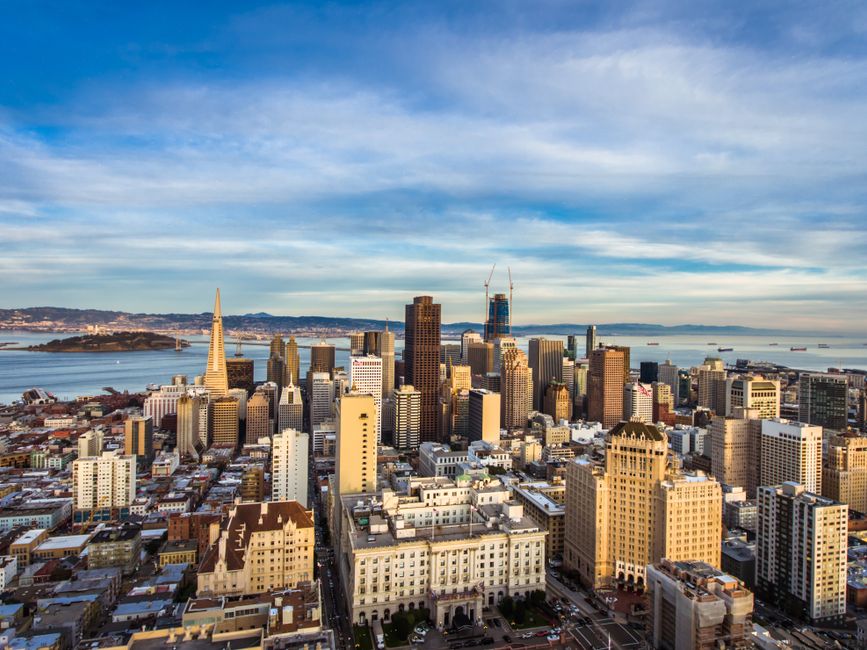
The latest data suggests stabilization rather than recovery. Vacancy rates in prime corridors like the Financial District and SoMa have plateaued around 18-20%, down from pandemic peaks but still elevated compared to pre-2020 norms. Yet prices tell a more nuanced story. Class-A office space in the Financial District is trading at roughly $55-65 per square foot annually—a 35-40% discount from 2019 peaks—while Mission District tech-adjacent properties command $45-55, reflecting the neighborhood's enduring appeal to smaller, agile firms.
What's changed most dramatically is tenant behavior. The old model—multinational corporations leasing sprawling floors for decades—has fractured. Today's tenant profile skews toward flexible-term occupancy, hybrid-work accommodation, and mixed-use environments. Landlords who've adapted are thriving. Those who haven't are struggling.
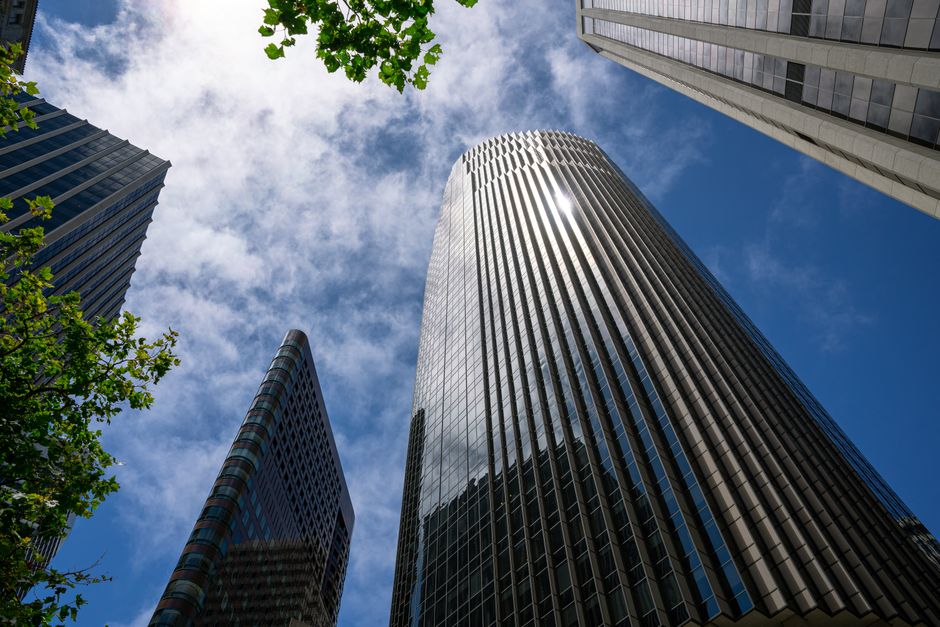
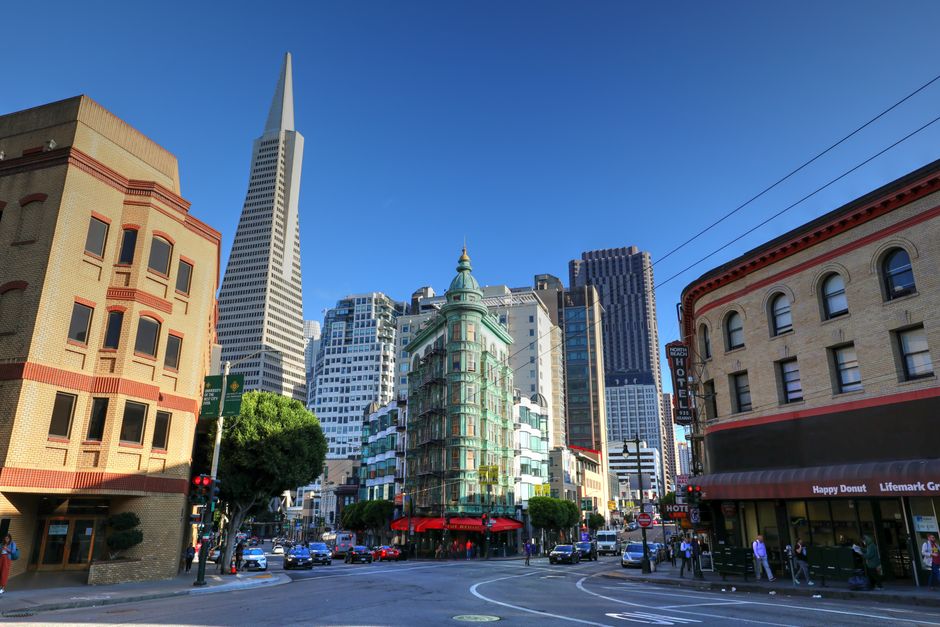
The Jackson Square and SOMA neighborhoods exemplify divergent outcomes. Jackson Square, with its historic character and pedestrian-friendly architecture, has attracted younger law firms and design consultancies willing to pay premium rates for authenticity and walkability. Meanwhile, SOMA's glass towers—built for yesterday's tech monoculture—are finding tenants only at significant discounts, often accepting shorter leases and higher tenant-improvement allowances just to fill space.
For businesses reconsidering their real estate strategy, several imperatives emerge. First, location matters differently now. Proximity to public transit, restaurants, and lifestyle amenities drives leasing decisions more than proximity to a single corporate campus. Second, landlords increasingly offer customizable spaces: open plans, private phone booths, wellness facilities, and event spaces are now table-stakes, not luxuries. Third, lease flexibility has become currency—18-month or 3-year options command premium pricing, but tenants value optionality over certainty in today's volatile environment.
The investor community remains cautious but engaged. While major institutions have largely exited San Francisco's office market, smaller investors and owner-operators are cherry-picking opportunities in secondary locations—the Civic Center, Hayes Valley, and Western Addition corridors—betting on urban revitalization narratives.
Bottom line: San Francisco's office market is no longer in freefall, but it's not recovering to old patterns either. Businesses exploring new space or renewal decisions should expect landlords willing to negotiate but increasingly sophisticated about what tenants actually value. The winners will be those who design workspaces around genuine usage patterns, not nostalgia for 2019.
This article was compiled by AI from the sources linked above and screened before publishing. See our editorial standards.