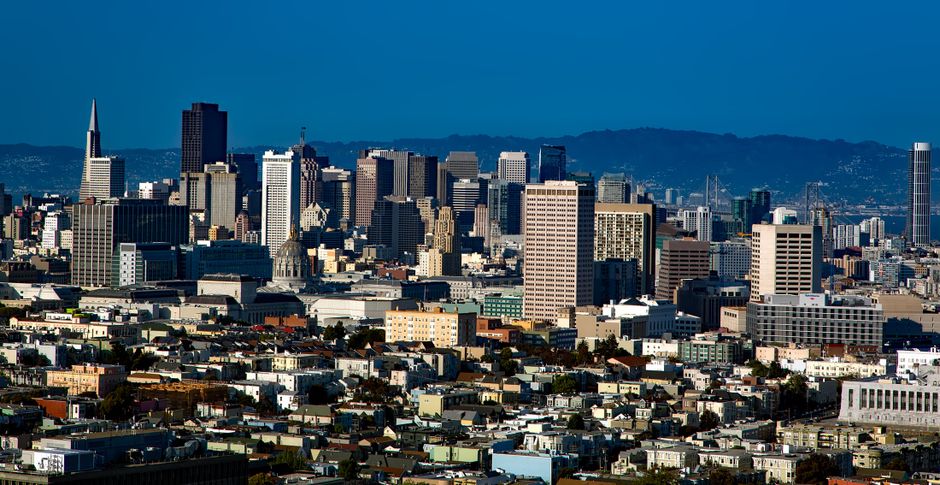
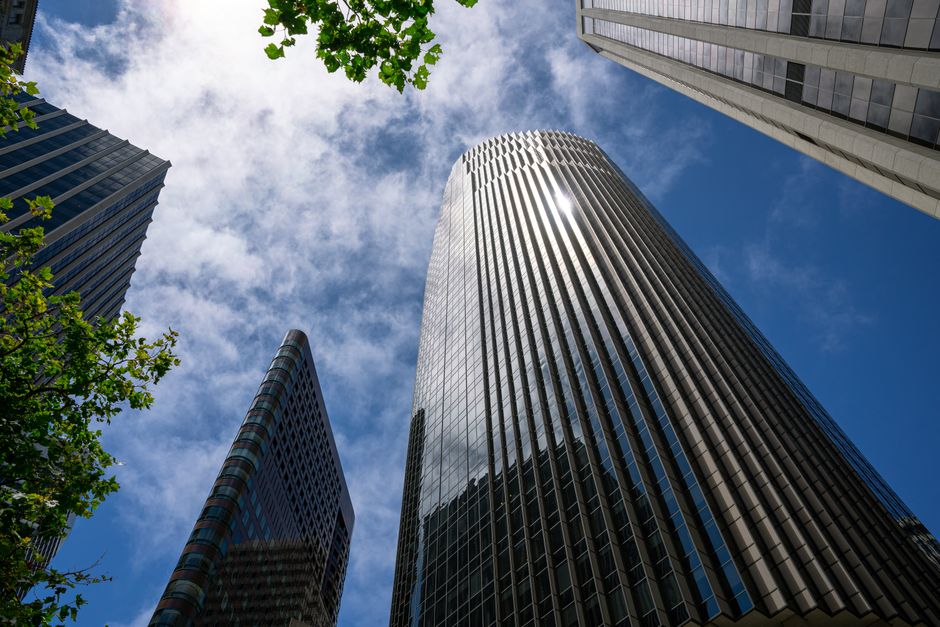
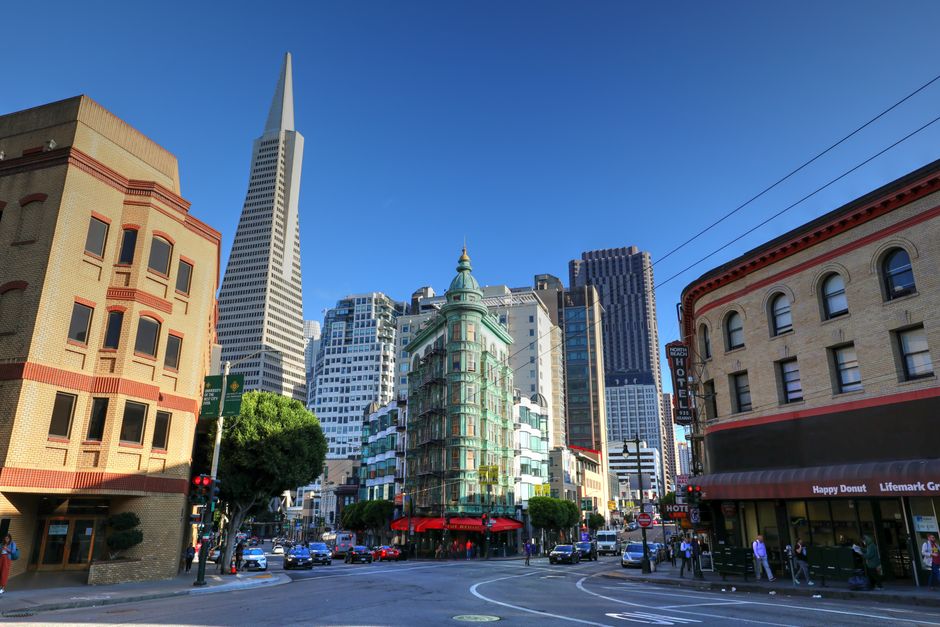
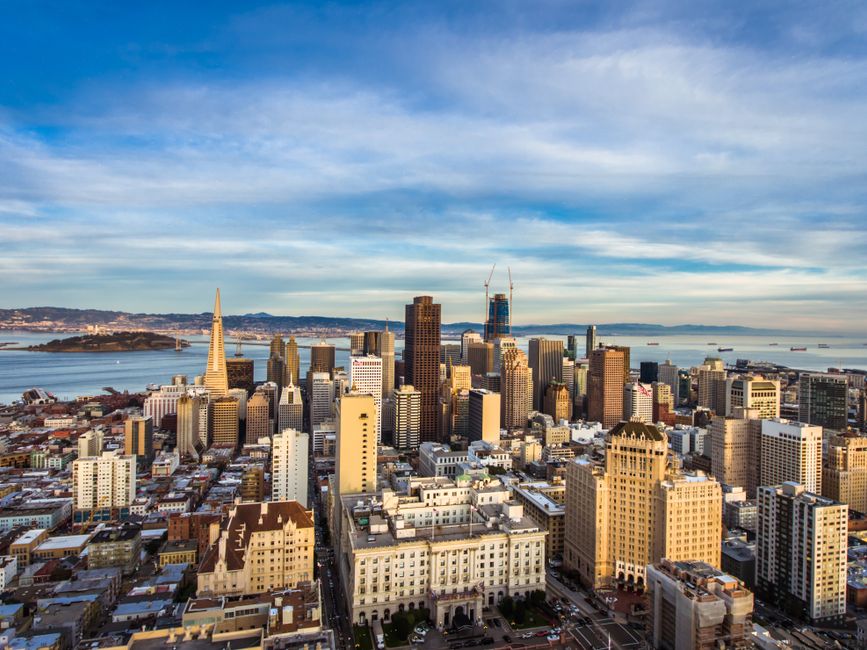
While geopolitical tensions dominate headlines—from Middle Eastern negotiations to South Asian border skirmishes—a quieter but equally significant shift is unfolding in San Francisco's financial district. The global supply chain crisis that began in 2023 is entering a new phase, and local trading companies, freight forwarders, and financial intermediaries are positioning themselves as indispensable middlemen in a fragmented global economy.
Along the Embarcadero and in the warehouse districts of South San Francisco, business is booming. Companies specializing in trade compliance and alternative sourcing are reporting 40 percent year-over-year revenue growth, according to conversations with executives in the field. The reason is straightforward: as traditional supply routes become costlier and less predictable, multinational corporations are desperately seeking new partners and routes. San Francisco, with its Pacific Rim connections and deep expertise in Asian markets, has become a natural hub for this reconfiguration.
"What we're seeing is companies that spent decades optimizing for efficiency now optimizing for resilience," explains the head of a Mission District-based trade finance firm. "They need partners who understand both the old networks and the emerging ones." The firm has hired 23 people in the past eighteen months—a rarity in an otherwise cautious tech sector.
The winners are specific: logistics brokers with established relationships in Vietnam, Indonesia, and India; consulting firms that specialize in tariff arbitrage; and financial institutions that can navigate letters of credit across fragmented banking systems. Several such operations cluster around the Financial District's Jackson Square neighborhood, where nineteenth-century gold rush warehouses now house twenty-first-century trade operations.
Port of San Francisco data shows container volumes have remained relatively flat, but the *composition* of cargo has shifted dramatically toward higher-value goods and faster-moving inventory—suggesting a transition from bulk commodity shipping to just-in-time supply chain management. This favors smaller, more agile operators over massive container carriers.
The volatility also creates winners among those simply positioned to wait out competitors. Warehousing costs near the port have risen 18 percent since 2024, but firms with long-term leases signed before the recent surge have a cost advantage that translates directly to client savings. Several such operators have expanded their South San Francisco footprint significantly.
For now, this opportunity remains concentrated among established players with capital and connections. But as supply chain fragmentation deepens—driven by everything from geopolitical realignment to climate disruption—the broader Bay Area business community is watching closely, sensing that whoever masters the new global bazaar will prosper for decades to come.
This article was compiled by AI from the sources linked above and screened before publishing. See our editorial standards.