Why San Francisco's Empty Offices Matter More to Your Wallet Than You Think
As commercial real estate transforms across the city, residents face rising costs for everything from coffee to rent—and it's only the beginning.
As commercial real estate transforms across the city, residents face rising costs for everything from coffee to rent—and it's only the beginning.
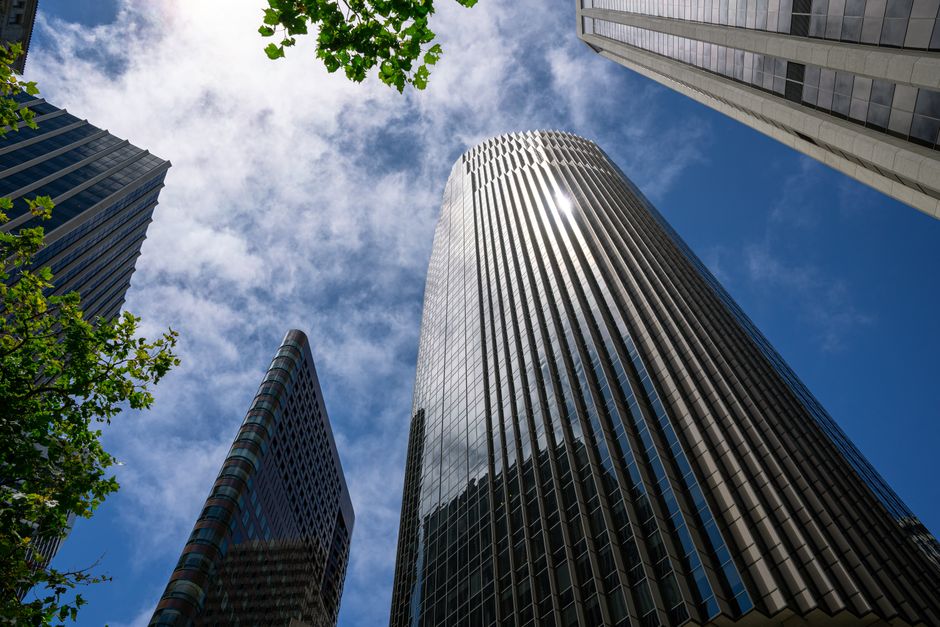
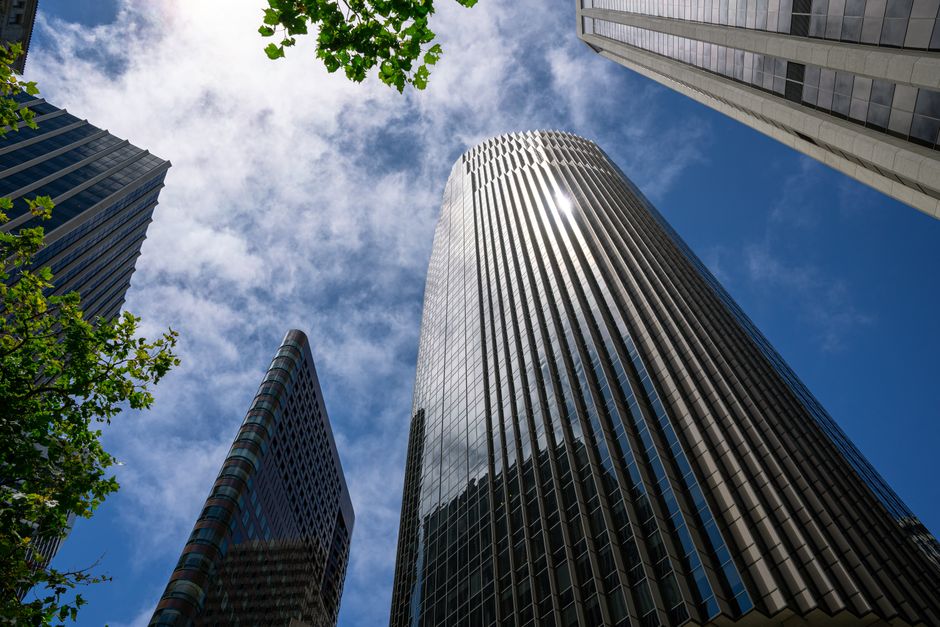
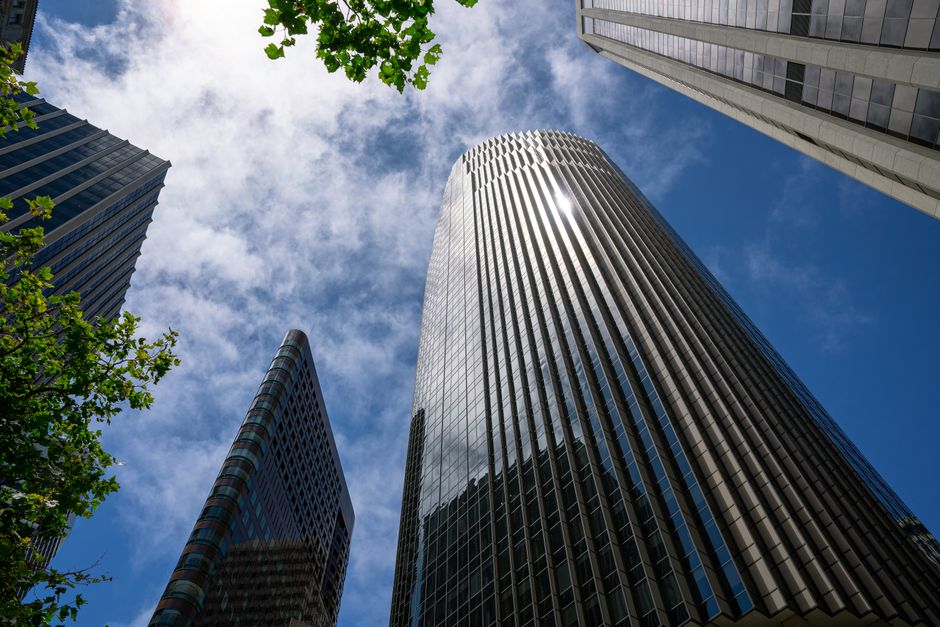
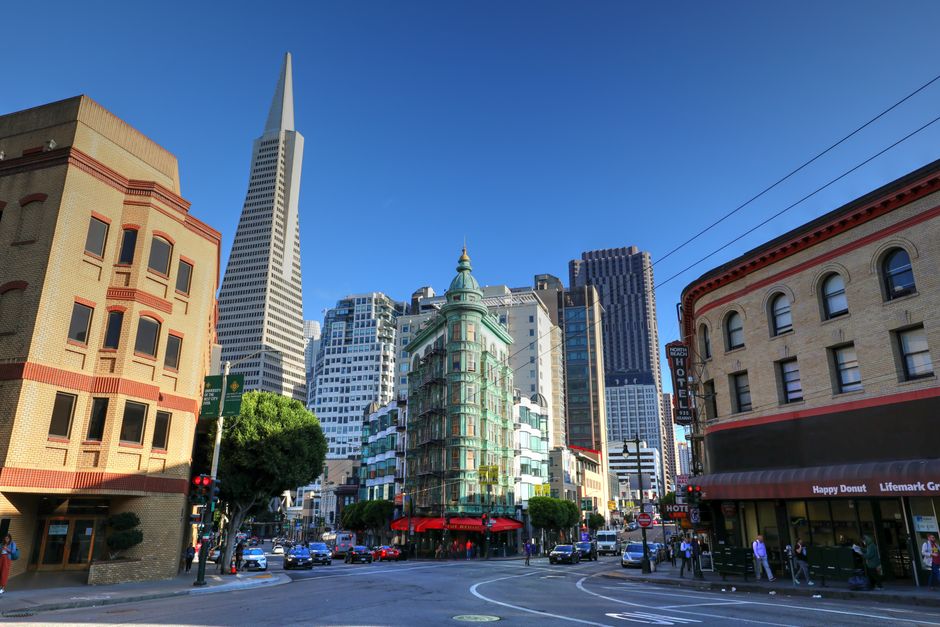
San Francisco's downtown office market has become a ghost town in slow motion, and that shift is quietly rewriting the economics of daily life for everyone who lives here. While the headlines focus on vacant glass towers along Market Street and Mission Bay, residents should understand what's actually happening to their neighborhoods—and their budgets.
The numbers tell a stark story. Office vacancy rates in the Financial District have hovered near 30% for months, the highest in decades. Major corporations that once occupied entire floors—from tech giants to financial firms—have embraced remote work or relocated entirely. But this isn't just an abstract downtown problem. It's reshaping commercial real estate across neighborhoods where people actually shop and eat.
Consider what's happening on Valencia Street in the Mission, or along Fillmore in Western Addition. Property owners dependent on ground-floor retail tenants are struggling. When office workers vanished from downtown, so did the lunch crowds that supported neighborhood cafes, dry cleaners, and independent shops. Some landlords have raised rents trying to recover losses, while others have watched storefronts sit vacant for months. That uncertainty ripples outward: neighborhood restaurants face thinner margins, delivery services consolidate, and the street-level vitality that makes San Francisco neighborhoods valuable starts to fray.
Residential rents deserve attention too. Historically, San Francisco's housing market has been tethered to employment clusters—people moved to neighborhoods with job density nearby. As office space becomes less relevant, that calculus is shifting. Some areas are seeing rental pressure ease slightly, while newly desirable neighborhoods—like those with better transit access or proximity to emerging tech hubs—are heating up. The overall market hasn't stabilized; it's redistributing in ways residents can't yet fully predict.
Property tax revenue matters equally. San Francisco's city budget depends significantly on commercial real estate assessments. Lower valuations and reduced business activity eventually affect city services, from street maintenance to public transit. It's a delayed but real impact.
The opportunity exists, though. Empty office buildings are being converted to housing in some cases—though slowly and expensively. Landlords experimenting with mixed-use spaces, community amenities, and flexible arrangements might stabilize neighborhoods differently than before. The question isn't whether San Francisco's commercial real estate will transform—it already is. The question is whether residents understand they're living through that transformation right now, and what choices they want to see made.
Stay informed. Your neighborhood is changing.
This article was compiled by AI from the sources linked above and screened before publishing. See our editorial standards.
How does this story make you feel?
Spread the word
About this article
Published by The Daily San Francisco
Daily brief
Free, in your inbox before 7am. Weekdays.
More in Business