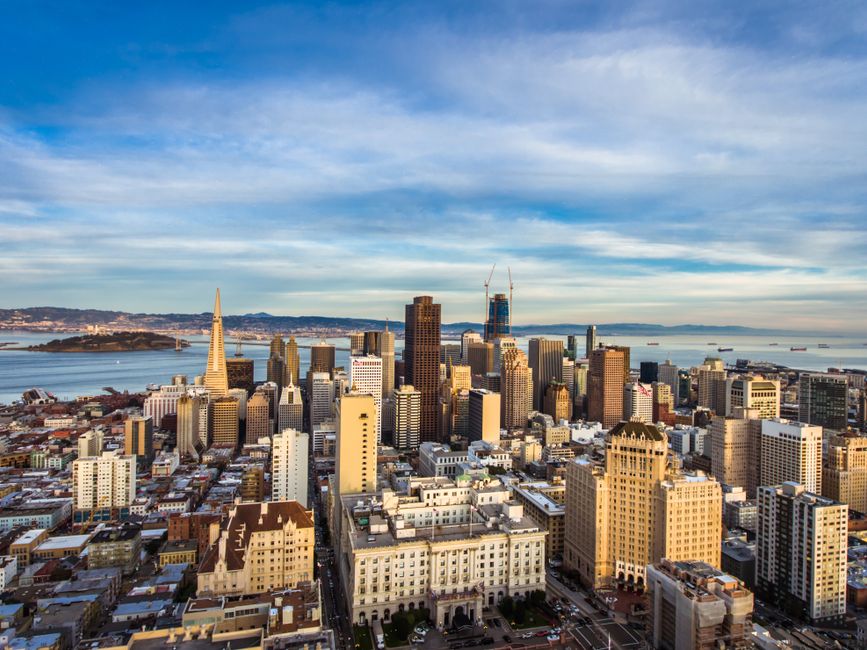
San Francisco's tourism sector is experiencing a sharp rebound this summer, and the winners are emerging with striking clarity: smaller, nimble operators who adapted during the lean years are now harvesting the fruits of pent-up demand from international travelers.
Hotel occupancy rates have climbed to 78 percent across the city—substantially above the pre-pandemic average of 72 percent—with average daily rates now hovering around $285 in mid-market properties. But the real story lies in who's profiting most. While major chains consolidate gains, independent and boutique operators are reporting booking windows that extend months ahead, forcing many to raise rates 15-20 percent from 2025 levels.
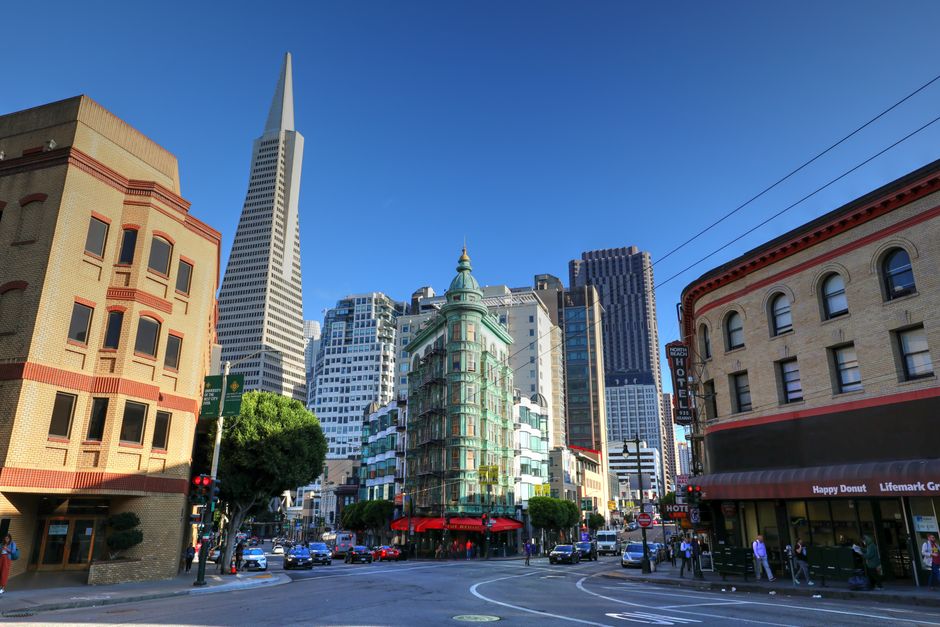
The shift is particularly evident on Union Square, where the once-struggled retail corridor is being revitalized not by traditional commerce but by tourism-adjacent experiences. Several heritage hotels have expanded their concierge services and curated local experience offerings—partnerships with Michelin-starred restaurants in North Beach, private art gallery tours in Jackson Square, and culinary walking tours through the Mission District. These add-ons generate margins that traditional room bookings never provided.
Restaurants are capturing outsized benefits. The San Francisco Travel Association reports that per-visitor spending on dining has jumped 22 percent year-over-year, with establishments along Fisherman's Wharf, Grant Avenue, and Valencia Street extending hours and adding seatings to accommodate overflow crowds. Several acclaimed restaurants previously struggling with local-only traffic—including intimate spots in Hayes Valley and the Castro—report that tourists now comprise 40-50 percent of their covers, stabilizing operations many thought wouldn't survive.
Experience companies like those offering Golden Gate Bridge photography tours, wine tastings in nearby Napa Valley, and technology campus visits have capitalized by bundling offerings and utilizing dynamic pricing. Tour operators report premium experiences commanding $150-200 per person, triple the rates of five years ago, with minimal discount pressure.
Transportation and accommodation for tour guides has tightened labor availability, even as wages for hospitality workers have risen 8 percent annually. This squeeze is pushing smaller operators toward automation and efficiency—from AI-driven booking systems to shared logistics networks among independent tour operators.
The broader economic impact is substantial. Tourism spending is projected to reach $9.1 billion this year, up from $7.8 billion in 2024. Yet the gains remain concentrated among operators positioned to capture high-margin experiences rather than commodity accommodation. Those betting on San Francisco's recovery as a destination—not merely as a through-point—are finally seeing their faith vindicated.
This article was compiled by AI from the sources linked above and screened before publishing. See our editorial standards.