San Francisco's hospitality sector is experiencing a genuine inflection point. After years of choppy recovery, the city's hotels are reporting occupancy rates above 85 percent—the highest since 2019—while average daily room rates have climbed to $289, according to recent STR data. For those positioned to capitalize, the opportunity is substantial. Those who aren't are finding themselves squeezed.
The catalyst is multifold: corporate travel has roared back as tech and finance firms resume in-person meetings and client entertainment. Tourism from Asia-Pacific markets is rebounding aggressively. And crucially, a cohort of hospitality operators who invested in flexible, adaptable concepts during the lean years are now harvesting those bets.
Take the South of Market corridor, where the past two years have seen the opening of seven new full-service restaurants and three boutique hotels. Operators here understood that the old model—high fixed costs, single-concept venues—was riskier post-2024. Instead, they built kitchens capable of serving both walk-in diners and private events, hotels with co-working infrastructure, and staff trained across multiple roles. That flexibility is now their competitive advantage.
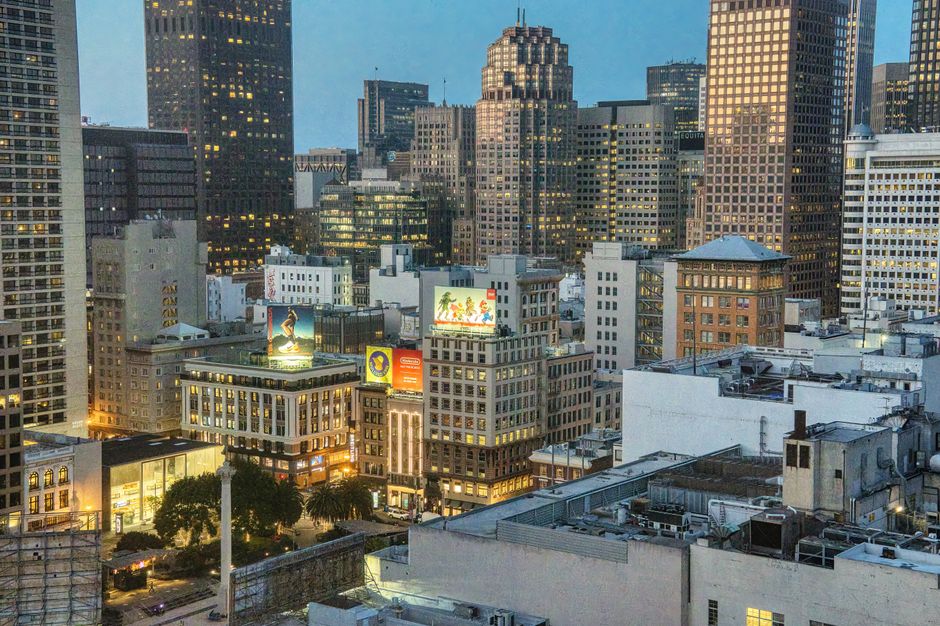
Meanwhile, established players like those operating traditional Union Square properties are facing margin compression. Labor costs have risen approximately 22 percent since 2023, driven partly by San Francisco's progressive minimum wage policy and the tight labor market. Occupancy gains haven't fully offset these pressures for single-concept, high-overhead operations.
The real winners? Operators focused on the mid-market segment—restaurants in the $18-$35 entrée range on Hayes Valley and Mission Street, and hotels in the $200-$300 room-rate band. These venues are attracting both leisure travelers with fuller wallets and corporate groups seeking value without sacrificing quality. Several hospitality groups have publicly expanded their San Francisco footprints specifically targeting this segment.
Staffing represents the next frontier. Forward-thinking operators are investing in training pipelines and retention bonuses to secure talent. One established restaurateur group recently announced a partnership with City College to create a dedicated hospitality career track, betting that solving the labor equation will be the differentiator.
The window won't stay open indefinitely. Higher interest rates and potential economic softening are wild cards. But for the next 12 to 18 months, San Francisco's hospitality sector appears poised for genuine growth—provided operators can execute with discipline and flexibility. Those who've already demonstrated those qualities are leaving traditional competitors noticeably behind.
This article was compiled by AI from the sources linked above and screened before publishing. See our editorial standards.