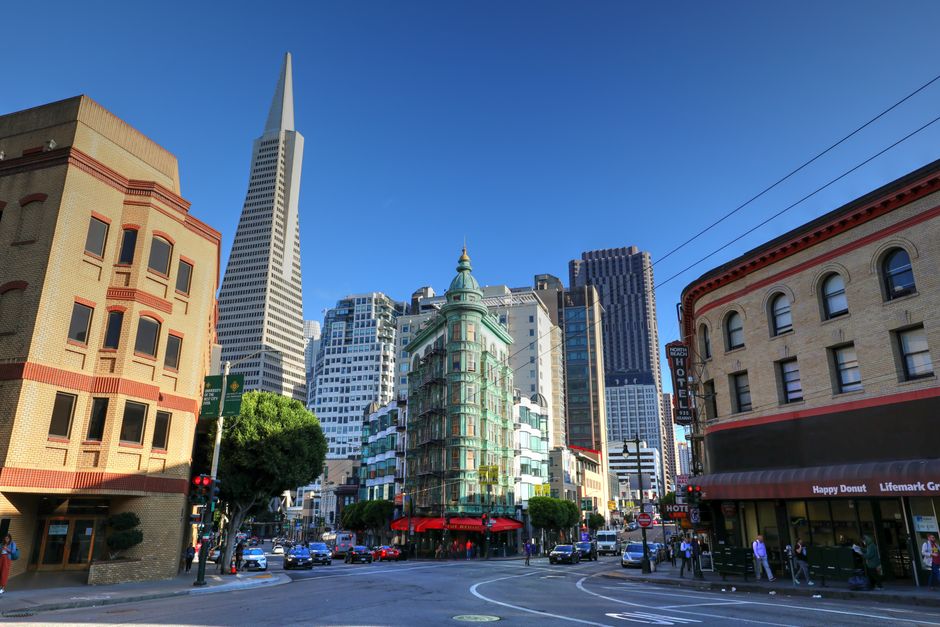
The conversion of 111 Sutter Street from office to residential use, approved earlier this year, represents more than a real estate transaction. It signals a fundamental reshaping of where San Francisco's professional workforce clusters—and how companies must now fight to attract talent across an increasingly fragmented geography.
Vacancy rates in the Financial District have stabilized around 23 percent, according to mid-year commercial leasing data, but this macro figure masks a brutal microeconomic reality. Premium office space on Montgomery and California Streets commands top dollar from selective tenants, while secondary corridors from SOMA to the Tenderloin sit half-empty. This fragmentation is reshaping recruitment patterns that have defined San Francisco's economy for two decades.
"We're seeing tier-one tech and finance firms cluster in trophy properties," says a downtown property manager who requested anonymity. "Mid-market companies are either downsizing their footprint or getting pushed to second-tier neighborhoods. That changes everything about who can afford to stay, and who can recruit here."
The consequences ripple through the talent market. Companies anchored to prestigious addresses near the Embarcadero still attract junior professionals willing to commute. But firms relocating to less prestigious neighborhoods—or embracing fully distributed teams—are losing their geographic prestige advantage. This favors companies with strong brand recognition or mission-driven narratives that transcend physical location.
Hybrid-first policies have accelerated unevenly across sectors. Life sciences firms in Mission Bay still require weekly office density to maintain collaborative momentum. Legal practices near the Ferry Building depend on client-facing presence. But software and consulting operations have embraced remote-first cultures, making office location almost irrelevant to recruitment.
The shift has created unexpected winners in Oakland and South San Francisco, where companies can secure modern office space at 40 percent lower costs. Talent following these companies have begun relocating, creating outbound pressure on San Francisco's residential market—which, paradoxically, is being squeezed tighter as office-to-residential conversions reduce total housing supply even as office workers leave.
For established firms with deep roots—Goldman Sachs, Salesforce, Stripe—the office recalibration is manageable. For mid-market competitors trying to build presence, it presents an existential challenge. Without the cachet of a prime downtown address and without the flexibility of full remote operations, they're competing for talent on compensation and culture alone.
As the summer market tightens and lease expirations approach year-end, commercial brokers expect further consolidation toward premium space and continued conversion momentum. The San Francisco job market isn't disappearing—it's stratifying. That has profound implications for the next generation of professionals choosing where to build their careers.
This article was compiled by AI from the sources linked above and screened before publishing. See our editorial standards.