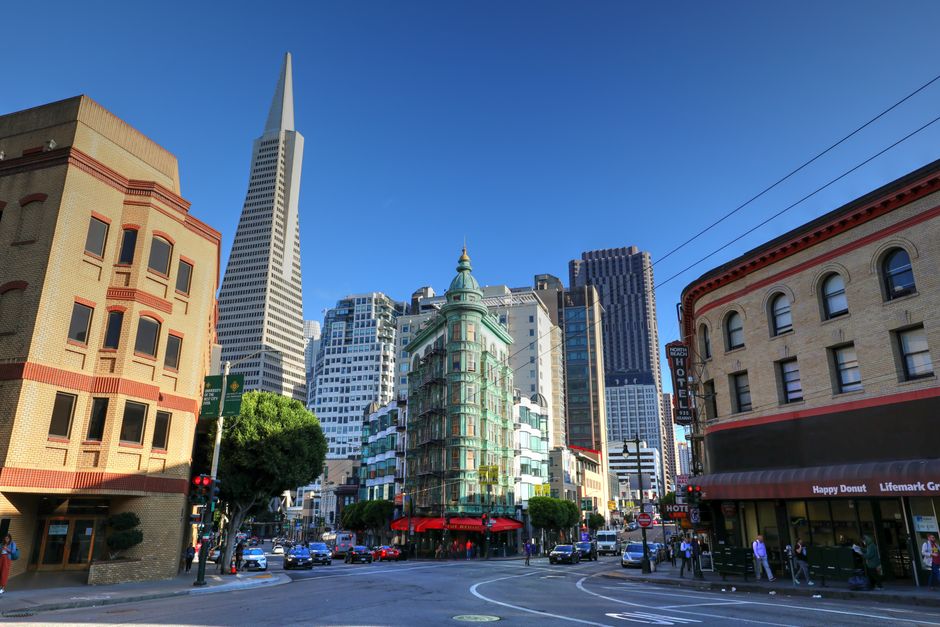
The San Francisco housing market is sending its most contradictory signal in years: prices are finally plateauing, but opportunity is opening up for those positioned to act.
Median home prices in neighborhoods like the Sunset District and Outer Richmond have fallen roughly 12-15% since their 2022 peak, according to recent data from local real estate firms. Meanwhile, rental rates—long the region's defining affordability crisis—have stabilized for the first time in a decade. A two-bedroom in the Mission now hovers around $3,200 monthly, down from $3,800 in early 2023.
The shift has created an unusual arbitrage. Small development firms and individual investors who weathered the 2023-2024 downturn are now acquiring undervalued properties along the Mission's Valencia Street corridor and in the Dogpatch, betting on the neighborhood's maturing tech ecosystem. One local firm, speaking on condition of anonymity, noted they've closed four projects in Dogpatch since January alone—something unthinkable two years ago when construction costs and financing made every deal marginal.
First-time homebuyers are also re-entering the market. Down payment assistance programs through the San Francisco Housing Accelerator Fund have seen applications jump 40% in the first half of 2026. Many are targeting the Outer Sunset and Excelsior neighborhoods, where condos under $800,000 are suddenly findable—unheard of in 2019.
But the window has clear boundaries. Neighborhoods closer to downtown—SOMA, the Financial District fringe, Hayes Valley—remain expensive and competitive. Tech workers who fled during pandemic remote work haven't all returned, meaning demand hasn't rebounded uniformly. Rents in SOMA are still 8% below 2022 levels.
The beneficiaries so far are institutional investors with dry powder, local family offices that didn't overextend during the boom, and younger professionals earning $120,000-plus who can now access mortgages for properties that seemed permanently out of reach. Nonprofits focused on affordable housing development are also finding new financing partners willing to discuss long-term projects.
The question now is whether this represents a genuine market correction or a temporary reprieve before another surge. Housing economists remain divided, particularly given migration patterns remain volatile and office conversion uncertainty still clouds downtown assessments.
What's certain: San Francisco's moment of relative affordability won't last. Those watching the Zillow alerts closely know the clock is ticking.
This article was compiled by AI from the sources linked above and screened before publishing. See our editorial standards.