San Francisco's Hospitality Renaissance: Who's Cashing In on Downtown's Comeback
As office occupancy stabilizes and tourism rebounds, savvy operators in the Mission, SOMA, and Financial District are reaping outsized gains.
As office occupancy stabilizes and tourism rebounds, savvy operators in the Mission, SOMA, and Financial District are reaping outsized gains.
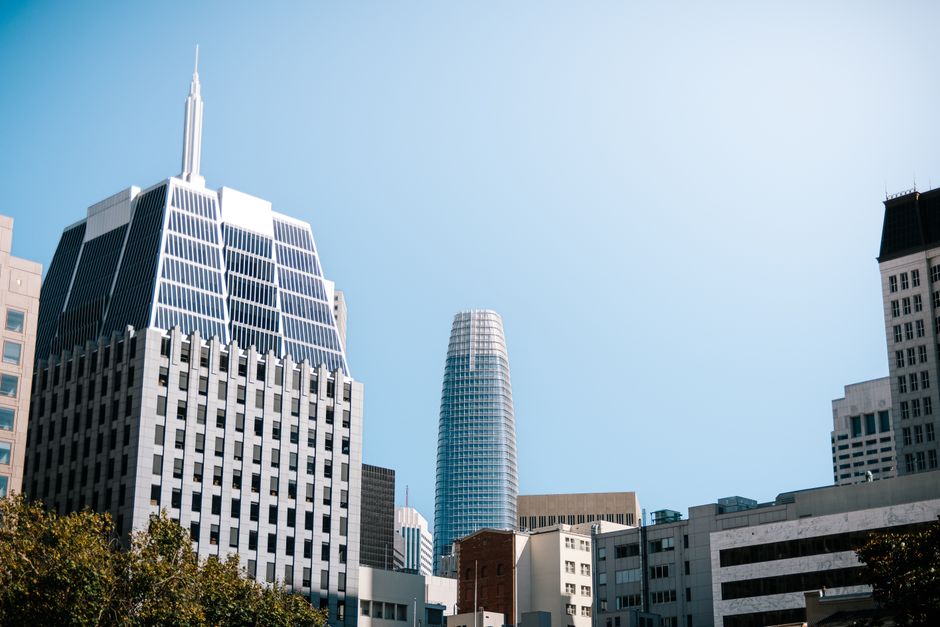
San Francisco's retail hospitality sector is experiencing a quiet but unmistakable resurgence, and early movers are already seeing the benefits. After three years of volatility following the pandemic and remote work exodus, downtown foot traffic has stabilized at roughly 75 percent of pre-2020 levels, according to recent data from the San Francisco Travel Association. For restaurant and hospitality operators willing to adapt, that stability is translating into opportunity.
The shift is most visible in SOMA and along the Embarcadero, where several restaurant groups have expanded their footprints over the past eighteen months. Establishments targeting the weekday lunch crowd—traditionally the lifeblood of downtown dining—are reporting improved margins. A mid-market restaurant operator on Market Street noted that lunch covers have climbed approximately 12 percent year-over-year, reversing a two-year decline. Hotel occupancy in the Financial District and Union Square reached 82 percent in May, the highest level since early 2020.
The Mission District tells a different story. What was already a resilient neighborhood during the downtown slump continues to thrive, with newer venues capitalizing on the area's established reputation. Rents on Valencia Street remain elevated—averaging $85 to $110 per square foot annually—but operators say the predictable customer flow justifies the premium. Several hospitality groups have quietly acquired leases on side streets between 16th and 24th, betting that the neighborhood will remain a destination regardless of broader economic winds.
Tourism is another accelerant. The number of international visitors to San Francisco in the first quarter of 2026 exceeded projections, driven partly by cheaper airfares and a weakening dollar. Hotels and attractions in Fisherman's Wharf and near the Golden Gate Bridge reported booking rates above 85 percent on weekends.
Yet challenges persist. Labor costs remain steep—service industry wages have climbed 6 to 8 percent annually—and margins for casual-dining operators remain compressed. Smaller independents still struggle to compete with well-capitalized groups that can absorb higher occupancy costs.
The winners so far are hospitality operators with multiple revenue streams: hotels bundling packages with dining; restaurant groups diversified across neighborhood types; and food operators nimble enough to adjust menus and hours based on real-time foot traffic. Those betting exclusively on downtown's immediate recovery or clinging to pre-pandemic business models continue to tread water. For the rest, San Francisco's hospitality sector is quietly rewarding strategic flexibility.
This article was compiled by AI from the sources linked above and screened before publishing. See our editorial standards.
How does this story make you feel?
Spread the word
About this article
Published by The Daily San Francisco
Daily brief
Free, in your inbox before 7am. Weekdays.
More in Business