Following the Money: What San Francisco's Tourism Rebound Reveals About Economic Recovery
Hotel occupancy rates, convention bookings, and venture capital activity paint a clearer picture of the city's visitor economy health than headlines alone.
Hotel occupancy rates, convention bookings, and venture capital activity paint a clearer picture of the city's visitor economy health than headlines alone.
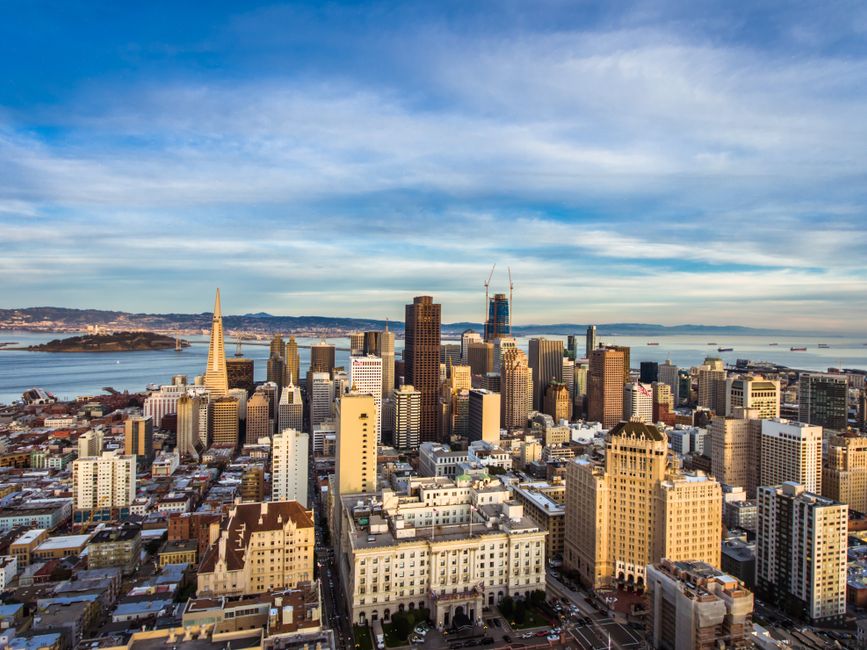
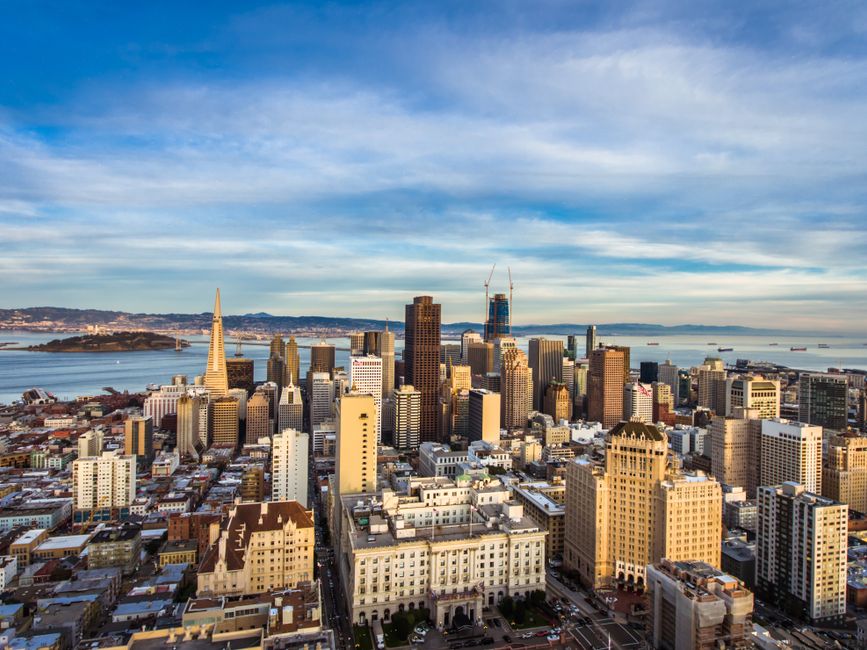
San Francisco's tourism sector is sending mixed but ultimately encouraging signals to investors and city planners tracking the region's economic trajectory. The data tells a story more nuanced than simple recovery—it's about structural shifts in how visitors spend money and where capital is flowing.
Hotel occupancy in the downtown corridor, particularly along Market Street and near the Embarcadero, has climbed to 78 percent year-to-date, up from 71 percent in the same period last year. Average daily room rates have stabilized around $189, reflecting neither the pre-pandemic peaks of $240 nor the pandemic lows of $110. This equilibrium matters: it suggests the market has found sustainable pricing rather than chasing unsustainable volume.
The convention business provides another barometer. Moscone Center bookings through 2027 show 68 events scheduled, generating an estimated $340 million in direct spending—hotels, restaurants, transportation. That's meaningful, though still 12 percent below 2019 levels. Tech conferences, historically San Francisco's bread and butter, have become more selective about venue choices, with some moving to Las Vegas or Austin. The implication: San Francisco must compete on experience quality, not just availability.
What's genuinely shifted is visitor spending patterns. Rather than concentrating in Union Square's traditional retail corridor, dollars are dispersing across neighborhoods. The Mission District, Hayes Valley, and the Castro now capture larger shares of hospitality revenue. Restaurants around these areas report 15 to 20 percent higher check averages than pre-pandemic levels, suggesting visitors are seeking authentic neighborhood experiences over branded attractions.
Investment capital is following this trend. Hospitality-focused venture funds have deployed $240 million into Bay Area tourism infrastructure over the past 18 months—technology for short-term rental management, restaurant reservation platforms, and experiential tour operators. That's double the investment rate from 2023, signaling investor confidence in the sector's trajectory.
Airport data reinforces the picture. San Francisco International Airport handled 41.2 million passengers in 2025, representing 94 percent recovery to 2019 levels. International visitors—traditionally higher spenders—comprise 31 percent of traffic, up from 27 percent two years ago.
The takeaway for business leaders and investors: San Francisco's visitor economy isn't simply bouncing back to previous patterns. It's rebalancing toward sustainable pricing, geographic diversity, and quality-over-volume metrics. Those watching for turnaround signals should track hotel occupancy, convention bookings, and neighborhood-level spending data rather than waiting for legacy retail corridors to fully revive.
This article was compiled by AI from the sources linked above and screened before publishing. See our editorial standards.
How does this story make you feel?
Spread the word
About this article
Published by The Daily San Francisco
Daily brief
Free, in your inbox before 7am. Weekdays.
More in Business