Death of the Downtown Office Reshapes San Francisco's War for Tech Talent
As commercial real estate remains in free fall, Bay Area companies are rethinking where they recruit—and remote-first competitors are winning.
As commercial real estate remains in free fall, Bay Area companies are rethinking where they recruit—and remote-first competitors are winning.
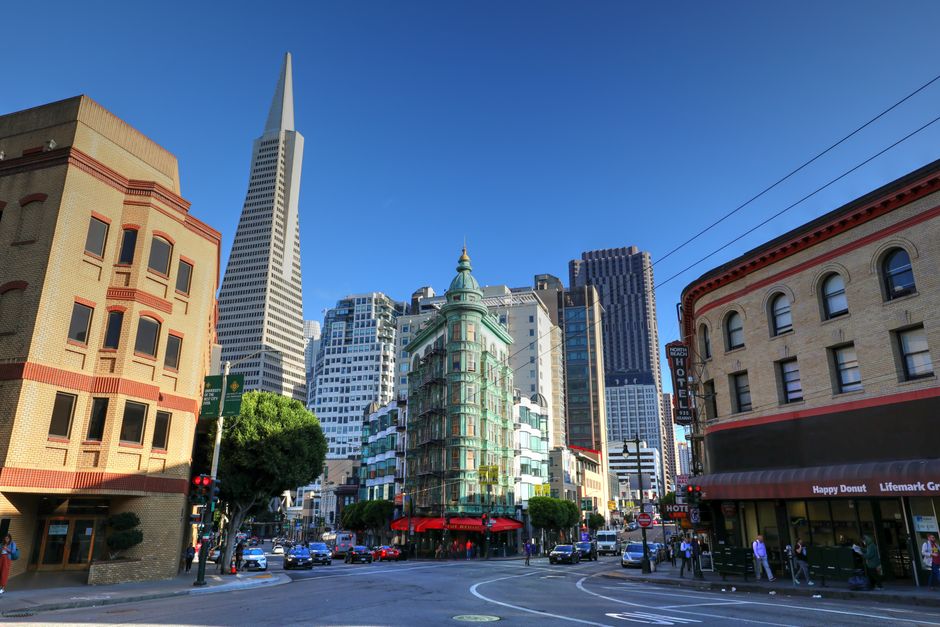
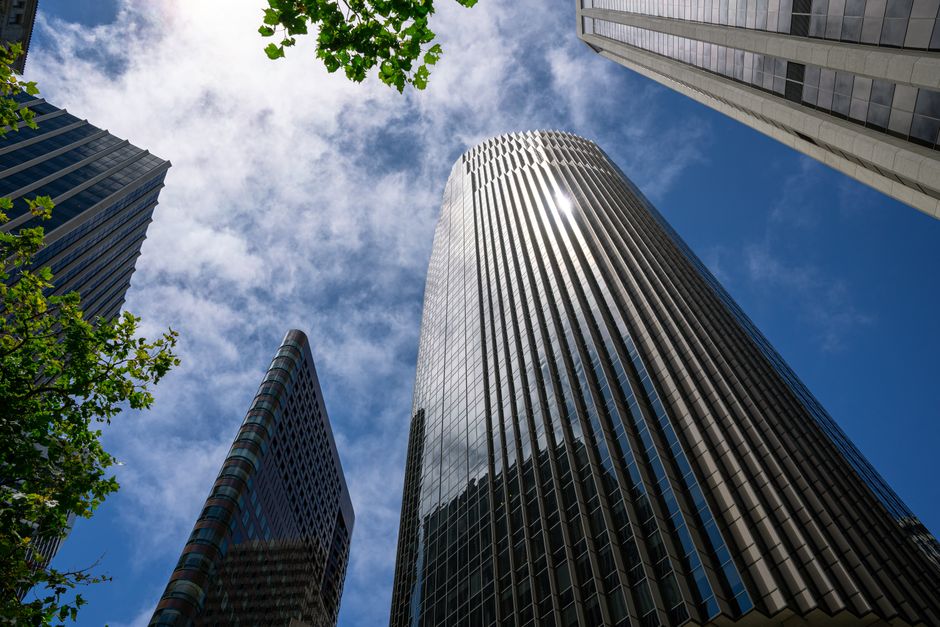
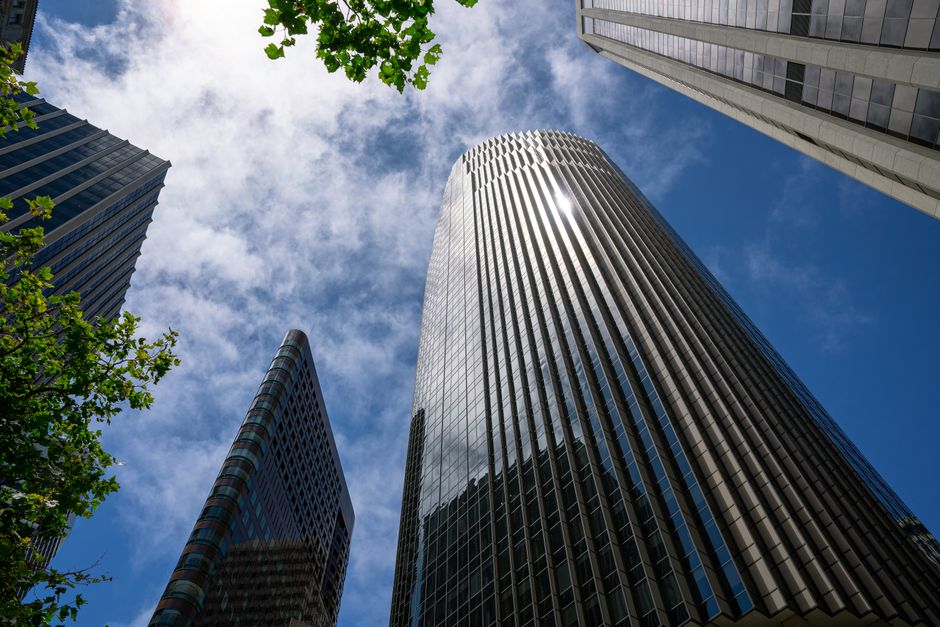
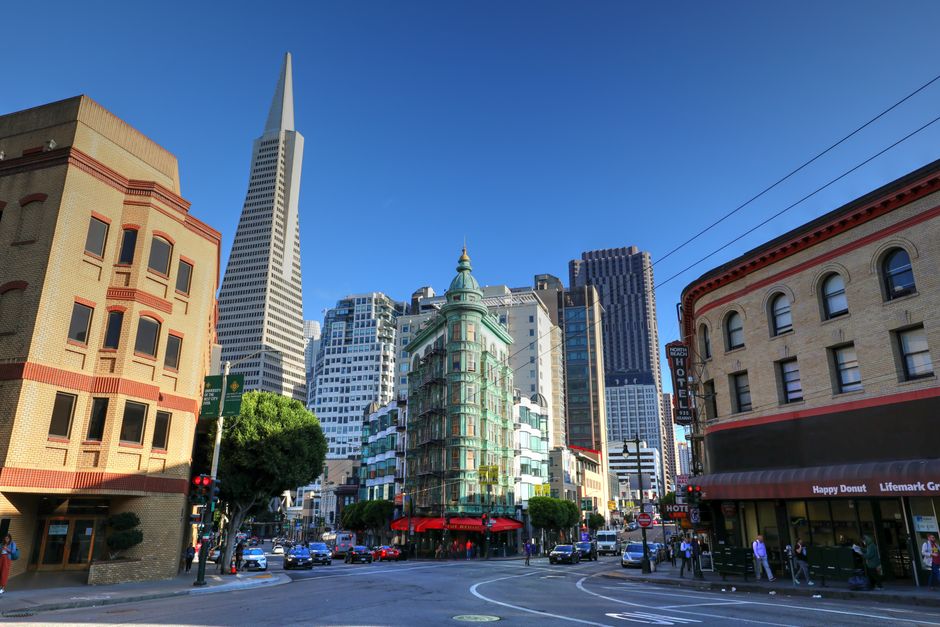
San Francisco's office vacancy rate hit 32% this quarter, the highest on record, and the numbers tell a story that extends far beyond empty desks in the Financial District. The collapse of downtown commercial real estate is fundamentally rewriting how Bay Area companies attract and retain talent, creating unexpected winners and losers in an already brutal employment market.
The shift became undeniable when a major software firm abandoned its entire 400,000-square-foot lease on Market Street last month, joining dozens of others who have similarly exited premium real estate. Office rents in prime locations like SOMA and the Financial District have plummeted from $80 per square foot to below $50—yet occupancy rates continue to slide. For the first time in a generation, downtown San Francisco no longer commands the gravitational pull it once held over the region's most coveted talent.
"We're seeing engineers and designers explicitly tell us they don't want to commute to an office five days a week," said one hiring director at a mid-sized fintech firm operating from Palo Alto, reflecting a sentiment increasingly common across the Bay Area. Companies that clung to pre-pandemic office mandates have reported attrition rates 40% higher than those offering flexible arrangements. The talent market has inverted: workers now negotiate terms rather than compete for positions.
The most consequential shift involves geography. As San Francisco office leases expire, companies are spreading across neighborhoods previously ignored by major employers. Firms are establishing satellites in the Mission District, the Sunset, and even across the Bay in Oakland and Berkeley—essentially decentralizing their hiring footprint. This creates an advantage for remote-first or hybrid companies unshackled from expensive real estate commitments; they can recruit from anywhere.
For job seekers, the implications are mixed. Workers in South San Francisco or the East Bay no longer face the default choice of either accepting long commutes or moving to the city. Yet the erosion of downtown also means fewer spontaneous networking opportunities and fewer walkable concentrations of industry events and gatherings that once defined career advancement in tech.
Landlords are scrambling to convert vacant office space to residential, a multi-year transition that will reshape the neighborhoods themselves. Meanwhile, companies still investing in San Francisco real estate are focusing on collaborative spaces in neighborhoods with residential amenities—effectively betting that the future office won't be a place people go daily, but rather where teams gather strategically.
The commercial property collapse has upended a basic assumption of the knowledge economy: that talent naturally clusters where the biggest offices sit. In 2026, the talented are distributed, and employers are finally catching up.
This article was compiled by AI from the sources linked above and screened before publishing. See our editorial standards.
How does this story make you feel?
Spread the word
About this article
Published by The Daily San Francisco
Daily brief
Free, in your inbox before 7am. Weekdays.
More in Business