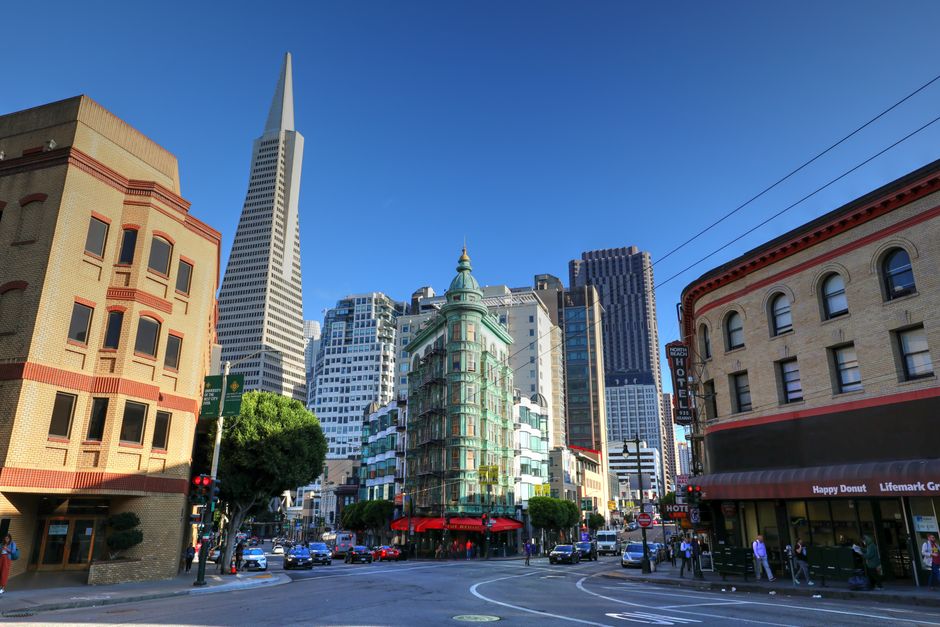
Walk down Valencia Street on any given Tuesday, and you'll notice the empty storefronts tell a familiar story. The coffee roastery that opened with fanfare in 2023. The vintage clothing boutique. The neighbourhood wine bar. Gone. And the entrepreneurs behind them? Many are nursing losses they never anticipated when they signed their leases.
San Francisco's small business sector—the backbone of the city's identity—is under unprecedented pressure heading into the second half of 2026. Rent increases averaging 12-15% annually, combined with a state minimum wage now at $16.50 per hour, have created a cost structure that leaves little room for error. According to data from the San Francisco Chamber of Commerce, nearly 34% of small business owners surveyed last quarter reported operating below their profit margins from 2024.
"The math just doesn't work anymore," explains the reality facing restaurateurs along Mission Street, where commercial rents have climbed to an average of $85-$120 per square foot annually—double what they were five years ago. A modest 2,000-square-foot restaurant space now commands $14,000 to $20,000 monthly before utilities and payroll. With food costs up 8% year-over-year and consumer spending on dining out contracting by 3% locally, many owners are caught between impossible choices: raise menu prices and risk losing customers, or absorb losses.
Tech sector volatility compounds the problem. The temporary reprieve during late 2025 has evaporated. Hiring freezes and layoffs at venture-backed firms have thinned the affluent customer base that fuelled the city's luxury retail and professional services boom. Boutique agencies in SOMA and the Financial District report client budgets shrinking by 20-30%, forcing layoffs and service cuts.
Real estate remains the deepest wound. Property owners, facing their own pressures from rising interest rates and property taxes, are less willing to negotiate. The days of landlords offering rent concessions or tenant improvement allowances have largely passed. Meanwhile, retail and hospitality businesses are caught in a squeeze: they can't move quickly enough, and their operational costs don't flex downward easily.
Not all news is bleak. Some sectors—particularly specialty food production, sustainable services, and niche digital consulting—continue finding traction. But they remain exceptions. For most operators, 2026 is shaping up as a year of difficult choices: consolidation, relocation outside the city, or closure.
The question facing San Francisco's business community is whether the city can implement relief measures—tax incentives, zoning changes, or tenant protections—before more storefronts darken permanently.
This article was compiled by AI from the sources linked above and screened before publishing. See our editorial standards.