San Francisco's Office Glut Becomes Windfall for Adaptive Developers and Landlords Willing to Pivot
As vacancy rates hit record highs, a new class of investors is betting big on conversion deals while traditional office owners face a reckoning.
As vacancy rates hit record highs, a new class of investors is betting big on conversion deals while traditional office owners face a reckoning.
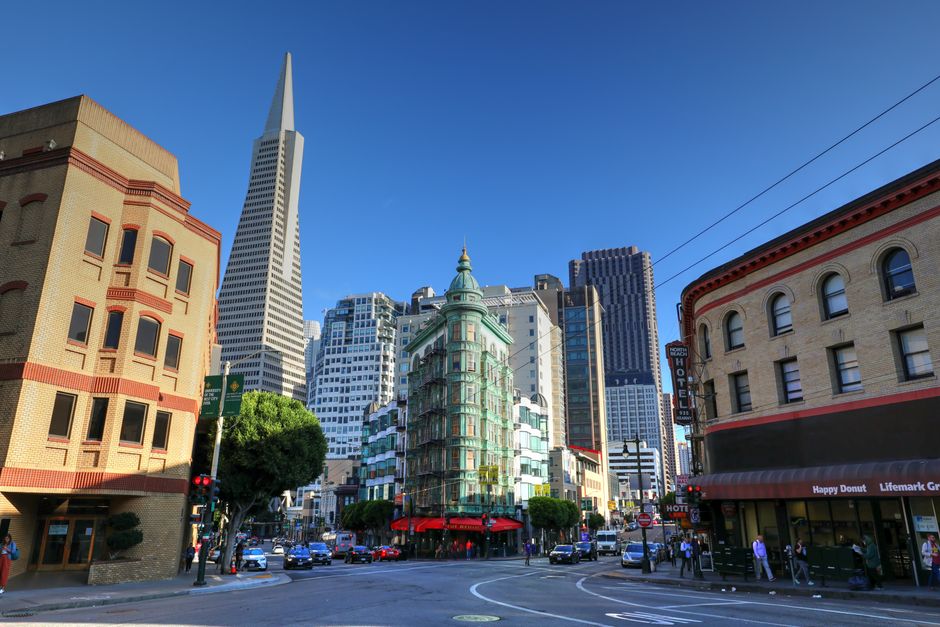
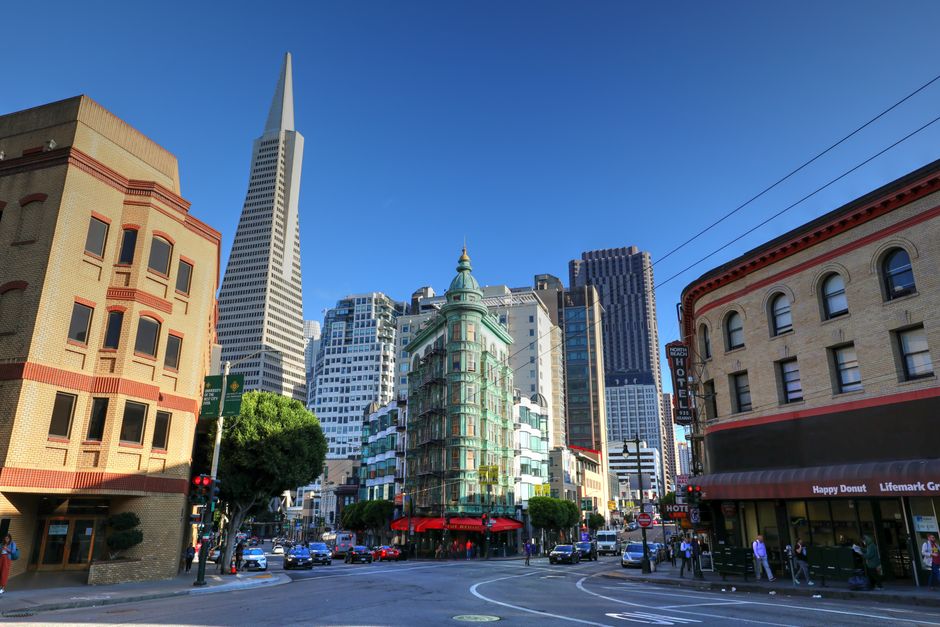
San Francisco's commercial real estate market has entered a phase that few predicted five years ago. With office vacancy rates hovering near 30%—nearly triple the pre-pandemic norm—the city's downtown corridors are experiencing a rare moment of disruption that's creating unprecedented opportunities for investors nimble enough to capitalize on the shift.
The numbers tell a stark story. Average office lease rates in the Financial District have fallen to $48 per square foot annually, down from $72 in 2019, according to commercial real estate analysts tracking the market. Yet within this crisis lies opportunity for developers willing to imagine different uses for the thousands of underperforming buildings stretching from Market Street to the Embarcadero.
The biggest winners emerging are conversion specialists and mixed-use developers who see residential, life sciences, and flexible workspace potential where traditional corporate tenants once dominated. Several major projects along the Mid-Market corridor—historically a struggle zone—are now moving forward precisely because landlords have little choice but to reimagine their assets. A prominent tech investor acquired three underutilized office buildings on Brannan Street earlier this year specifically to pursue a life sciences conversion, betting that San Francisco's biotech sector will continue attracting talent and funding despite tech sector retrenchment.
Smaller commercial brokers and boutique real estate firms are thriving by specializing in these conversion plays. While mega-firms struggle with bloated portfolios of traditional office leases, nimbler operators are filling the gap, connecting landlords desperate for capital infusion with developers hungry for below-market acquisition prices. Some are securing options on buildings at 30-40% discounts to historical valuations.
The real estate investment trusts and institutional landlords who dominated San Francisco's office market a decade ago face the most pressure. Many are still holding significant downtown portfolios at valuations that assume 85%+ occupancy—assumptions that now seem quaint. The question haunting corner offices at Embarcadero Center and beyond is whether to cut losses, invest heavily in repositioning, or simply wait out the market. That paralysis is exactly what creates opportunity for faster-moving competitors.
What makes this moment unique for San Francisco is the sheer scale of available space and the improving fundamentals in adjacent sectors. Life sciences leasing in South of Market remains robust. Residential conversion, once a regulatory minefield, faces fewer obstacles as the city grapples with housing affordability. Even flexible workspace operators—once dismissed as hype—are quietly snapping up distressed office floors at rates that make long-term economics work.
For property owners who waited out the volatility hoping for a return to 2019 conditions, that bet is increasingly looking like a loser's game. Those already moving to reimagine their assets are writing the next chapter of San Francisco's commercial landscape.
This article was compiled by AI from the sources linked above and screened before publishing. See our editorial standards.
How does this story make you feel?
Spread the word
About this article
Published by The Daily San Francisco
Daily brief
Free, in your inbox before 7am. Weekdays.
More in Business