Global Trade's Perfect Storm: How San Francisco's International Business Hub Faces Unprecedented Headwinds in 2026
Tariffs, geopolitical instability, and supply chain fractures are testing the resilience of the Bay Area's export-dependent economy.
Tariffs, geopolitical instability, and supply chain fractures are testing the resilience of the Bay Area's export-dependent economy.
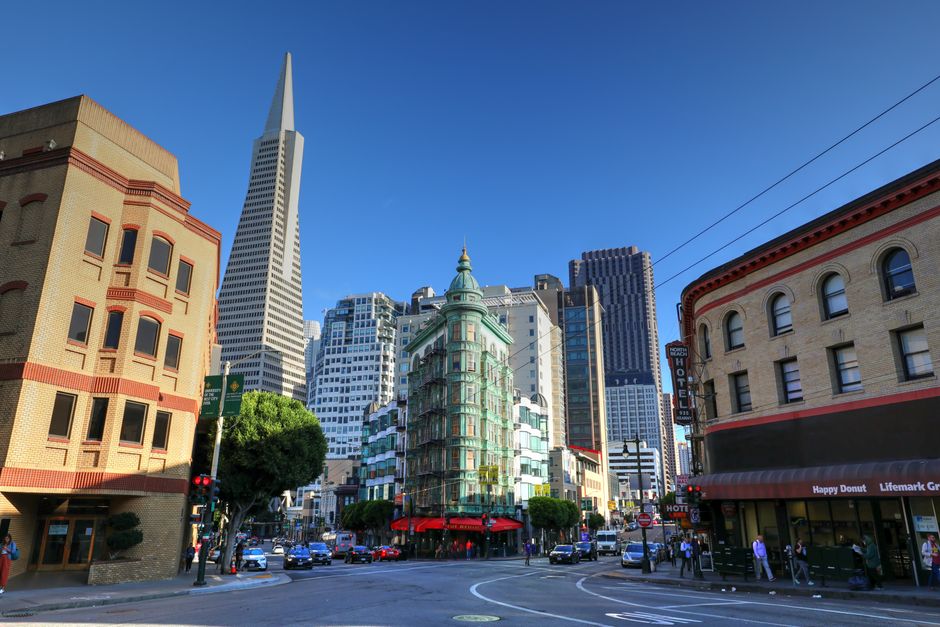
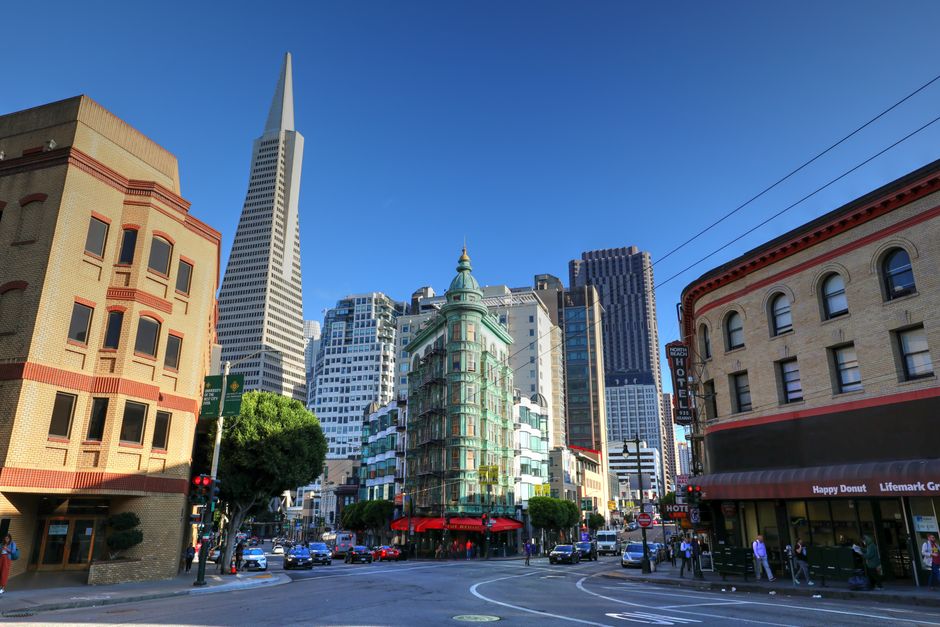
Walk through the Financial District on any weekday morning, and you'll see the machinery of global commerce in motion: shipping containers stacked near the Port of Oakland, trade lawyers hurrying between offices on Montgomery Street, and cargo handlers coordinating with counterparts across the Pacific. But beneath this surface activity, San Francisco's international trade sector faces a convergence of challenges that executives and policymakers warn could significantly reshape the region's economic trajectory.
The headwinds are structural and severe. Escalating trade tensions have created unprecedented uncertainty. Silicon Valley's semiconductor and software exports—historically the region's economic lifeblood—face new restrictions and competing tariff regimes that have already increased logistics costs by 12-18 percent since January, according to Bay Area shipping associations. Port of Oakland container volumes, which exceeded 2.5 million TEUs (twenty-foot equivalent units) in 2025, are already tracking lower this quarter as importers frontload inventory ahead of anticipated duty increases.
Geopolitical fragmentation is fragmenting supply chains further. Companies operating from San Francisco's bustling SoMa tech corridor to the manufacturing hubs across the Bay no longer assume stable, predictable sourcing from traditional partners. The diversification imperative—moving away from concentrated sourcing to hedge political risk—adds complexity and cost that smaller trading firms struggle to absorb.
"We're seeing a fundamental recalibration," explains the Bay Area Council's economic research division. Port congestion, once considered solved, has reemerged as container ships route around traditional lanes. Shipping rates from Oakland to Shanghai have doubled compared to 2024 levels, pressuring margins for export-heavy manufacturers scattered across Contra Costa and Solano counties.
Currency volatility compounds the problem. The dollar's strength, typically beneficial for importers, has made San Francisco-based exporters less competitive in emerging markets. Tourism and hospitality—traditionally tied to international business travel—show signs of strain, with hotel occupancy in the SOMA and Financial District neighborhoods down 3-5 percent year-over-year.
Yet adaptation is underway. Trade finance specialists have expanded operations along the Embarcadero. Consulting firms focused on supply chain resilience have opened new offices. But these adjustments take time and capital that smaller firms may lack.
The stakes are clear: San Francisco's prosperity has long depended on being a gateway city. As global trade currents shift, the challenge isn't just weathering temporary disruption—it's repositioning for a fundamentally different trade environment.
This article was compiled by AI from the sources linked above and screened before publishing. See our editorial standards.
How does this story make you feel?
Spread the word
About this article
Published by The Daily San Francisco
Daily brief
Free, in your inbox before 7am. Weekdays.
More in Business