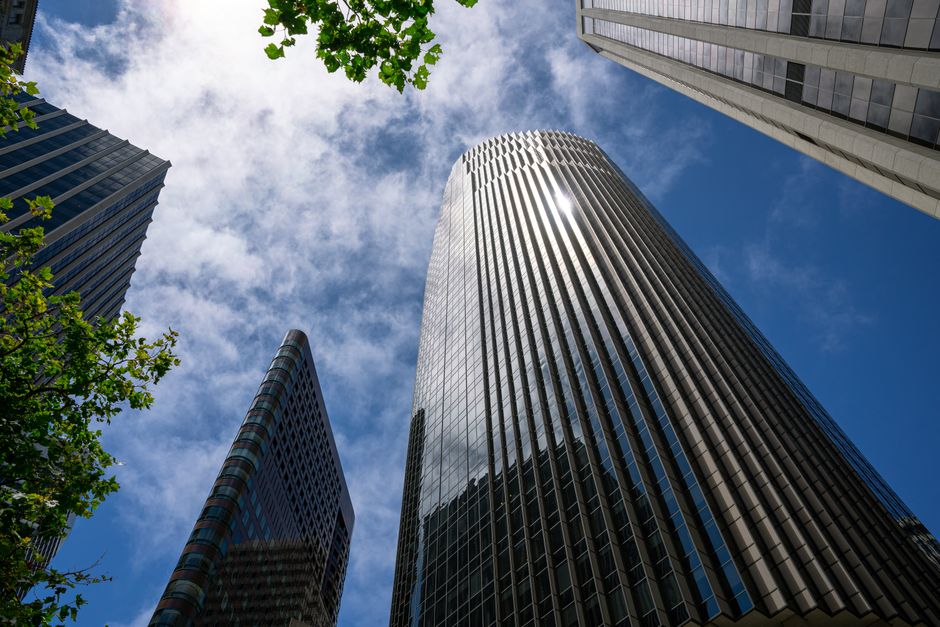
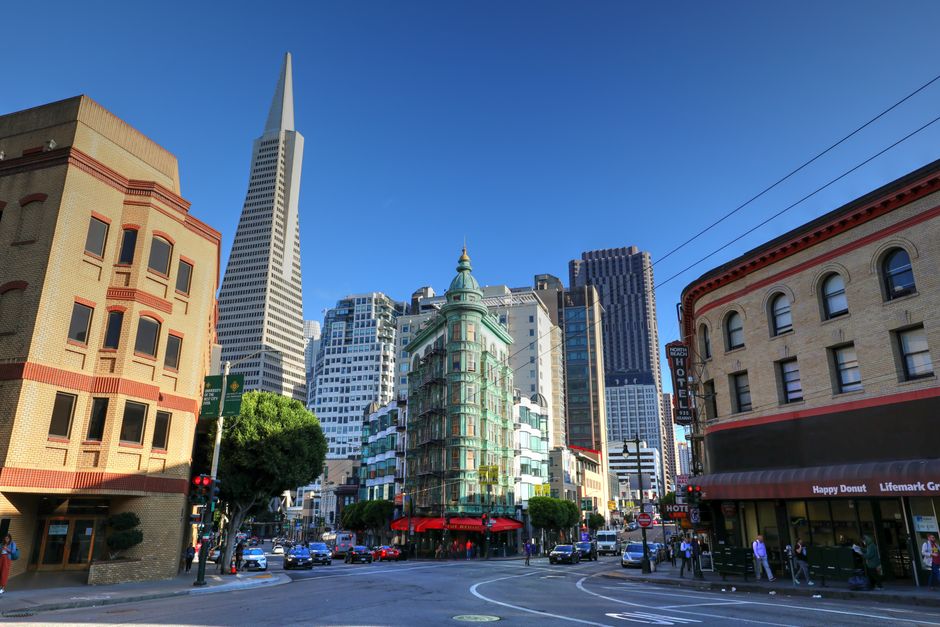
San Francisco's commercial office market is confronting a sobering reality as mid-2026 arrives: the structural challenges that have plagued the sector since the pandemic show few signs of abating. With downtown vacancy rates hovering near 30 percent—nearly triple pre-pandemic levels—property owners from the Financial District to South of Market are wrestling with declining rents, increased competition from suburban markets, and a fundamental shift in how Bay Area companies view office space.
The numbers tell a cautionary tale. Average asking rents in the Financial District have declined to approximately $40 per square foot annually, down sharply from the $65 range that prevailed in 2019. Major corridors like Market Street and Mission Street, once anchored by stable corporate tenants, now display alarming stretches of dark storefronts and "For Lease" signs. Even premium locations in the Financial District are struggling to command tenant interest, forcing landlords to offer unprecedented concessions: free rent periods, buildout allowances, and flexible lease terms.
Several structural headwinds are converging to create a perfect storm. First, the remote-work transition remains sticky. Major tech employers—whose headquarters and satellite offices once drove downtown office demand—have settled into hybrid arrangements that require less physical space. Second, financing has become treacherous. Rising interest rates and increased cap rates have made refinancing existing debt prohibitively expensive for many property owners. Third, operational costs continue climbing: property taxes, building maintenance, and seismic retrofit requirements have grown faster than rental income can offset.
The impact ripples beyond landlords. Service workers, coffee shops, and restaurants that depend on office workers have faced chronic foot traffic declines. Neighborhoods like SOMA, traditionally powered by office activity, are grappling with commercial blight alongside residential affordability crises.
Some bright spots exist. Adaptive reuse projects converting offices to residential units have gained momentum, reflecting broader market recognition that the old model may not return. Meanwhile, selective demand persists for trophy assets in prime locations—the Salesforce Tower, recently rebranded office buildings with modern amenities, and spaces in emerging hubs like Hayes Valley have attracted institutional interest.
Yet optimism remains muted among commercial brokers and investors. The consensus suggests San Francisco's office market will need years of gradual absorption and structural adaptation before stability returns. Until then, downtown landlords face a prolonged period of adjustment, pricing pressure, and difficult capital decisions—a far cry from the confidence that characterized the pre-pandemic market.
This article was compiled by AI from the sources linked above and screened before publishing. See our editorial standards.