Science-Backed Yoga and Meditation Tips That Actually Work in San Francisco
From managing Bay Area air quality to timing your practice around fog patterns, here's what the research says about optimizing mindfulness in our unique climate.
From managing Bay Area air quality to timing your practice around fog patterns, here's what the research says about optimizing mindfulness in our unique climate.
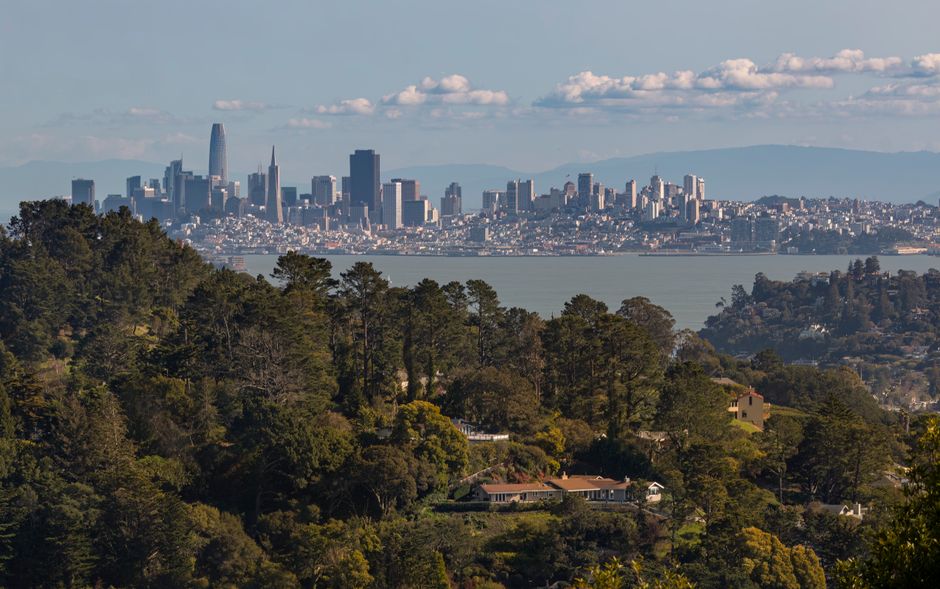
San Francisco's wellness culture runs deep—but not all meditation advice applies equally here. The city's distinctive microclimate, altitude variations, and urban density create specific conditions that affect how our bodies respond to yoga and mindfulness practice. New research from UCSF and local wellness practitioners offers evidence-based strategies tailored to our environment.
Start with timing. Studies on circadian rhythms show that San Francisco's famous summer fog peaks around 8 a.m., suppressing cortisol naturally and making early morning practice less stressful than in sunnier climates. Yoga instructors at studios along Valencia Street and in the Mission have noted that clients report deeper relaxation during fog-heavy sessions. Conversely, afternoon practice—when fog typically clears by 2 p.m.—offers better focus and energy, ideal for more vigorous asanas.
Air quality matters more than most practitioners realize. On Spare the Air days, when Bay Area ozone levels spike, breathing-focused practices like pranayama can aggravate airways. The Bay Area Air Quality Management District tracks real-time data; check it before committing to breath-work-heavy classes. On poor air days, consider gentler, internally-focused meditation instead—even just 10 minutes near a window at home in the Richmond or Sunset districts proves effective.
Elevation is another factor locals often overlook. If you're hiking to meditate spots in Marin Headlands or around Twin Peaks, the modest altitude (under 1,000 feet) won't cause problems, but your breathing pattern shifts slightly. Research shows that practicing at elevation, even modest elevation, strengthens parasympathetic nervous system activation—meaning your body's relaxation response is genuinely enhanced. This is why many Bay Area practitioners report deeper meditation experiences on hillside trails than in flat studios.
Temperature regulation affects retention. San Francisco's 15-degree microclimatic swings between neighborhoods mean your studio choice impacts your practice. Hot yoga studios generate internal heat in neighborhoods like SoMa and SOMA, but if you practice in naturally cool spaces in the Presidio or along the Embarcadero, your nervous system stays calmer. Research shows that moderate coolness (around 65-68°F) optimizes both meditation focus and joint safety—particularly relevant as our population ages and joint health becomes central to wellness goals.
Finally, consistency beats intensity in our transient city culture. A 2024 local study tracking wellness outcomes found that San Francisco residents who committed to three 20-minute sessions weekly saw measurable stress reduction, while those doing sporadic longer sessions showed less benefit. Pick accessible locations—the Yoga Center on Market Street or free sessions in Golden Gate Park's Music Concourse—and honor your schedule realistically.
The evidence is clear: understanding your local environment transforms your practice from generic wellness into precisely calibrated self-care.
This article was compiled by AI from the sources linked above and screened before publishing. See our editorial standards.
How does this story make you feel?
Spread the word
About this article
Published by The Daily San Francisco
Daily brief
Free, in your inbox before 7am. Weekdays.
More in Wellness