Run Smart in San Francisco: Evidence-Based Tips That Actually Work for Local Conditions
From fog patterns to terrain demands, here's how to optimize your running routine for the Bay's unique environment.
From fog patterns to terrain demands, here's how to optimize your running routine for the Bay's unique environment.
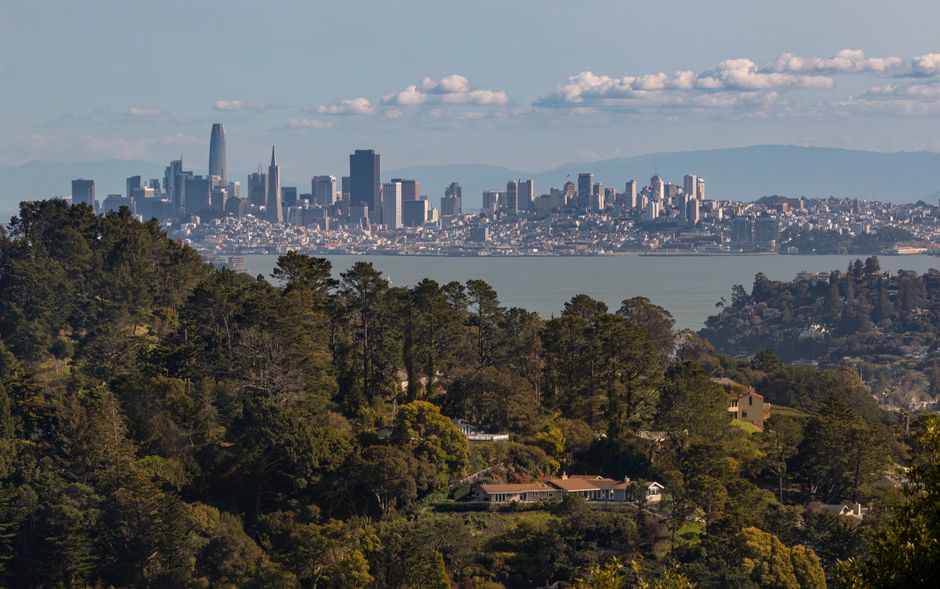
San Francisco's running culture thrives on Golden Gate Park's 1,017 acres and the Embarcadero's waterfront stretches, but our city's distinctive microclimates and topography demand smarter training strategies than most running guides acknowledge.
Start with the fog variable. The marine layer typically peaks between 8 a.m. and noon, particularly May through August—meaning runners logging morning miles often experience 15-20 degree temperature swings within a single outing. Research from UCSF's environmental health program suggests layering with moisture-wicking base layers and a lightweight shell outperforms single-layer strategies for our conditions. Counterintuitively, many locals underdress for fog runs; aim for the temperature of your target pace, not the thermometer reading.
Elevation gain here isn't negotiable. Golden Gate Park's perimeter loop totals roughly 7.5 miles with 500 feet of cumulative elevation, while routes toward Twin Peaks or the Marin Headlands can push 1,500 feet. A 2024 study in the Journal of Sports Sciences found that runners training on undulating terrain show 8-12% greater aerobic adaptation than flat-terrain peers. Rather than avoiding hills, integrate them strategically: one dedicated hill session weekly proves more effective than random elevation exposure.
The Bay Trail's 500-mile network offers gentler alternatives for recovery days. The Richardson Bay Trail in Marin or the Coyote Point stretch near San Mateo provide lower-impact running surfaces crucial for injury prevention—particularly relevant given San Francisco's concrete-heavy urban streets. Alternating hard pavement with softer surfaces reduces impact-related stress by approximately 30%, according to biomechanics research cited by local physical therapists.
Air quality matters more than many realize. Check the Bay Area Air Quality Index before early morning runs; fine particulate matter (PM2.5) often peaks 6-8 a.m. on windless days. Running during higher AQI periods can temporarily reduce aerobic efficiency. The Embarcadero's proximity to the Golden Gate Strait provides consistently better air than inland corridors during summer months.
Finally, hydration demands differ sharply from inland regions. Despite cooler temperatures, Bay wind accelerates moisture loss. Runners logging 8+ miles should carry water or plan routes near refill points—the Park's numerous drinking fountains or urban locations like the Ferry Building provide strategic stops.
Local running clubs including the San Francisco Road Runners and Golden Gate Park Running Club offer group sessions that naturally build in these environmental considerations. For personalized guidance, UCSF's sports medicine team provides runner assessments.
The Bay's conditions aren't obstacles—they're training advantages when approached strategically.
This article was compiled by AI from the sources linked above and screened before publishing. See our editorial standards.
How does this story make you feel?
Spread the word
About this article
Published by The Daily San Francisco
Daily brief
Free, in your inbox before 7am. Weekdays.
More in Wellness