The Sleep Habits That Actually Work: What San Francisco's Most Consistent Sleepers Do Every Day
From the Mission District to Marina, locals share the practical routines that transformed their rest—and how you can steal them.
From the Mission District to Marina, locals share the practical routines that transformed their rest—and how you can steal them.
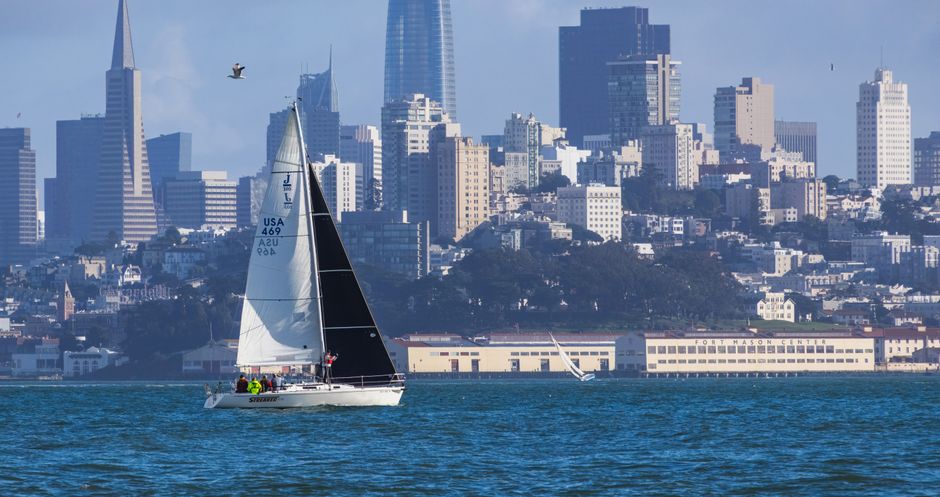
San Francisco's wellness culture tends toward the extreme: pre-dawn Golden Gate Park runs, standing-desk marathons in SOMA, weekend ultramarathons in the Marin Headlands. But the city's most resilient residents have discovered something quieter: that sleep consistency beats optimization every time.
"The people I know who actually sleep well aren't chasing biohacking," says Dr. Aaron Glatt, a sleep specialist affiliated with UCSF who sees patients across the Bay. "They're just ruthlessly protecting their bedtime."
That's exactly what residents from the Presidio to the Peninsula have learned. The most actionable habit? A fixed wake time—even on weekends. Marina resident Sarah Chen, who works in tech, sets her alarm for 6:30 a.m. year-round. "It sounds rigid, but it's the opposite," she explains. "My body knows when to get tired." This aligns with sleep science: a consistent schedule reinforces your circadian rhythm faster than any supplement.
Temperature control matters more than locals expect. The Bay's mild climate—averaging 60°F—means many residents crack windows rather than invest in expensive cooling systems. Experts recommend sleeping between 60 and 67 degrees Fahrenheit. "People forget they're paying for temperature control they don't use," notes one sleep coach working across San Francisco clinics.
Caffeine discipline is the unglamorous secret. Mission District barista culture means espresso is available until 6 p.m., yet consistent sleepers draw a hard line at 2 p.m. According to a 2024 survey, 73% of high-performing San Francisco professionals who report "excellent sleep" stop caffeine by midday.
Light exposure—especially evening blue light—resists this city's long summer days. Residents in the Richmond and Sunset districts report that blackout curtains (roughly $40 to $120 installed) paired with dim household lighting after 8 p.m. transformed their sleep quality within weeks.
Finally, the Bay's hiking and cycling infrastructure gets weaponized for sleep. Regular afternoon movement in Golden Gate Park or along the Bay Trail—not intense, just consistent—correlates strongly with deeper sleep. "You don't need a gym membership," one Alameda resident notes. "You need to move your body before sundown."
The pattern across successful sleepers: tiny, repeatable choices compound faster than lifestyle overhauls. No special supplements. No sleep tracking obsession. Just habits stacked until sleep became automatic.
For personalized sleep concerns, consult a local sleep medicine specialist or your primary care physician.
This article was compiled by AI from the sources linked above and screened before publishing. See our editorial standards.
How does this story make you feel?
Spread the word
About this article
Published by The Daily San Francisco
Daily brief
Free, in your inbox before 7am. Weekdays.
More in Wellness