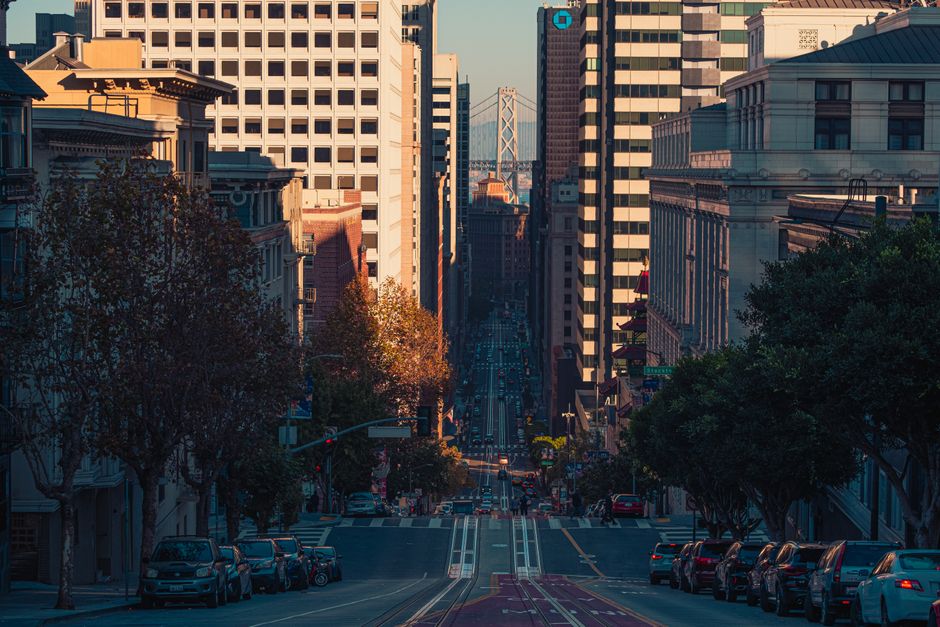
San Francisco's transportation infrastructure is at a critical juncture, with transit officials and urban planners issuing increasingly urgent warnings about aging systems and competing funding demands that threaten to derail the region's mobility.
The Metropolitan Transportation Commission convened a task force this spring to assess regional transit priorities, findings that have sparked heated debate among city officials, transit advocates, and infrastructure experts. The core issue: BART's aging electrical infrastructure, Caltrain's electrification project, and the Geary Rapid Bus Transit corridor cannot all move forward simultaneously without significant new funding sources.
"We're looking at systems that were built in the 1970s and 1980s," said one transportation analyst familiar with the region's infrastructure challenges. "Deferred maintenance is now our biggest vulnerability." The backlog affects everything from the Market Street subway tunnel—which carries over 500,000 passenger trips weekly—to the aging water main infrastructure beneath Van Ness Avenue that supports both transit and essential utilities.
BART officials have been particularly vocal about the urgency of their electrical modernization needs. The system's power distribution equipment, which serves stations from the Mission District through downtown San Francisco and across the East Bay, requires comprehensive upgrades estimated at nearly $800 million. Transit experts warn that without investment, service reliability will continue deteriorating.
Meanwhile, Caltrain's electrification initiative—designed to reduce emissions and improve service between San Francisco and Silicon Valley—remains unfunded at roughly $2.4 billion. City Transportation Authority representatives have stressed that the project would unlock congestion relief on the Peninsula Corridor, reducing pressure on Highway 101.
The Geary Rapid project, which would create a dedicated bus lane on the heavily trafficked corridor connecting downtown to the Richmond District, adds another $300 million need to an already strained budget.
Public Utilities Commission officials have also flagged concerning maintenance backlogs in water and sewer infrastructure, noting that aging pipes beneath neighborhoods like the Sunset District and Western Addition pose both service and environmental risks.
Local advocates and neighborhood groups have weighed in differently. While some prioritize transit modernization, others emphasize basic infrastructure repair to prevent service disruptions. The San Francisco Planning and Urban Research Association recently published analysis suggesting that regional coordination—rather than piecemeal funding—could yield efficiency gains, though implementation remains uncertain.
City officials indicate that decisions on funding priorities will likely come before the Board of Supervisors by early autumn, but consensus remains elusive about which projects take precedence in an era of fiscal constraints.
This article was compiled by AI and screened before publishing. See our editorial standards.