San Francisco's Bond Programs Combat Global Community Isolation Trends
As cities worldwide struggle with fractured communities, the Bay Area is banking on grassroots connection strategies that outpace international peers.
As cities worldwide struggle with fractured communities, the Bay Area is banking on grassroots connection strategies that outpace international peers.
Listen to this article · 3:41
While anti-immigration tensions simmer across South Africa and displacement crises reshape urban centers from Kyiv to Caracas, San Francisco is quietly experimenting with a distinctly local antidote to community fragmentation: neighborhood investment districts that prioritize hyper-local engagement over top-down solutions.
The approach gained traction this spring when the Mission District's newly formed Community Resilience Fund—a $2.3 million initiative combining merchant association contributions and city grants—launched its first round of micro-grants to neighborhood anchors. The Roxie Theater, neighborhood libraries on 24th Street, and local nonprofits like La Raza Centro Legal received direct support to strengthen their role as gathering spaces.
"What we're seeing in San Francisco is intentional, from the ground up," said John Keener, director of the San Francisco Neighborhood Coalition, an umbrella organization tracking 34 active district initiatives across the city. "Most global cities are reacting to crises. We're trying to prevent them."
That distinction matters as cities worldwide grapple with deepening divides. In South Africa, authorities deployed police units ahead of anti-immigration marches, responding after weeks of violence. In contrast, San Francisco's Sunset District piloted a "Know Your Neighbor" program starting March, connecting residents across demographic lines through structured community dinners and skill-shares at local venues like Café Trieste in North Beach.
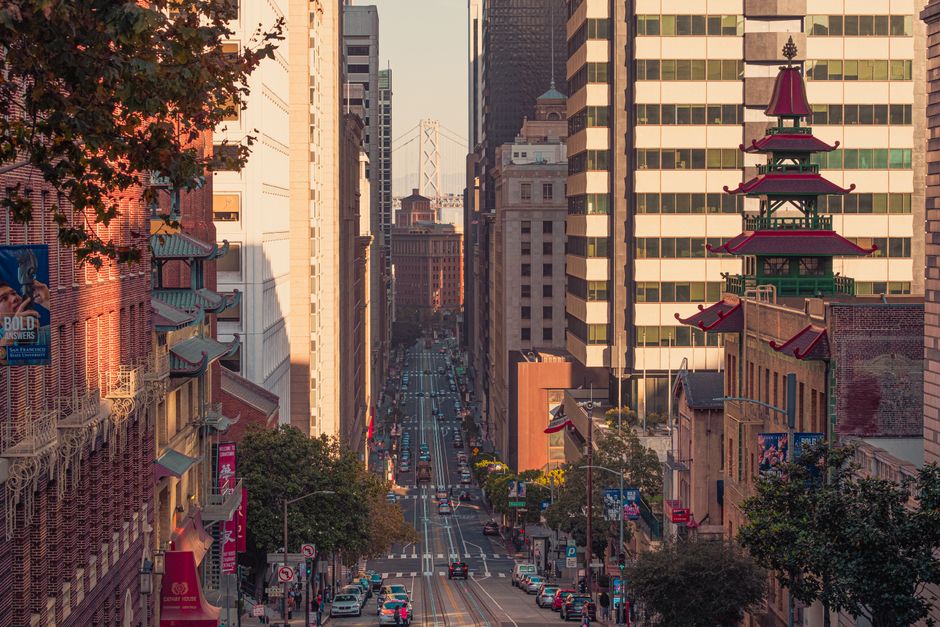
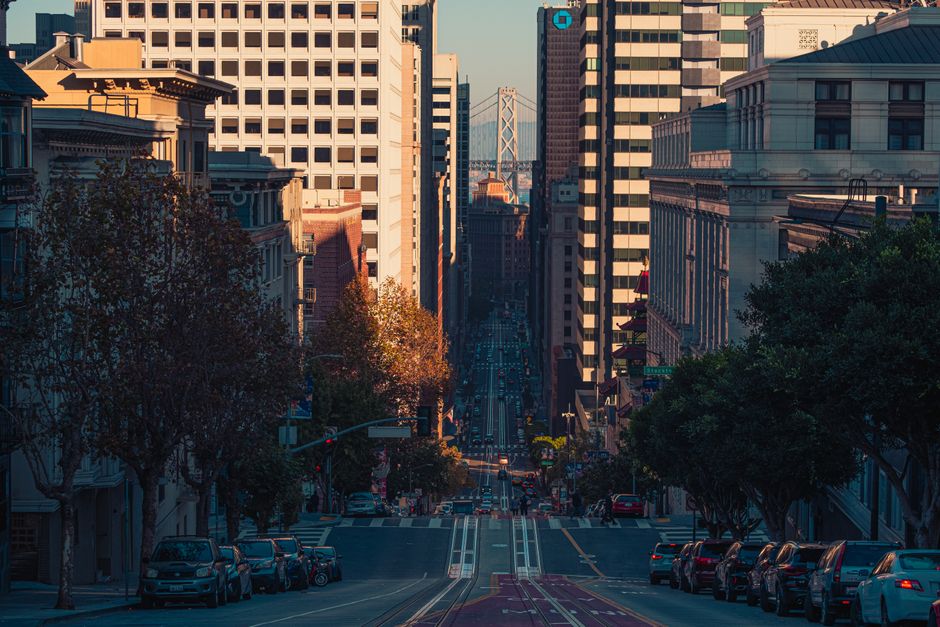
The financial stakes are real. Property values in revitalized neighborhood clusters—including the Valencia Corridor and Chinatown's emerging creative district—have stabilized at rates 12-15% above similarly-sized neighborhoods without active community programming, according to recent analysis by the SF Planning Department. Monthly rents have plateaued rather than accelerated in areas with robust neighborhood organizations.
Still, San Francisco's model faces headwinds other cities don't. Homelessness remains endemic, with recent counts showing 6,738 unsheltered individuals across the city. The Tenderloin's ongoing recovery from pandemic decay requires resources no neighborhood association can alone provide. And comparing San Francisco's largely wealthy, organized district structures to cities with fewer resources—or less stable governance—risks overstating what local funding can achieve.
Yet the city's experimental approach offers one undeniable advantage: it treats neighborhoods as the primary unit of resilience rather than an afterthought to citywide policy. As global urban centers wrestle with the aftermath of migration crises and political fracture, San Francisco's bet on granular community investment suggests that isolation can be countered—if cities commit resources before crisis forces their hand.
This article was compiled by AI and screened before publishing. See our editorial standards.
How does this story make you feel?
Spread the word
About this article
Published by The Daily San Francisco
Daily brief
Free, in your inbox before 7am. Weekdays.
More in News