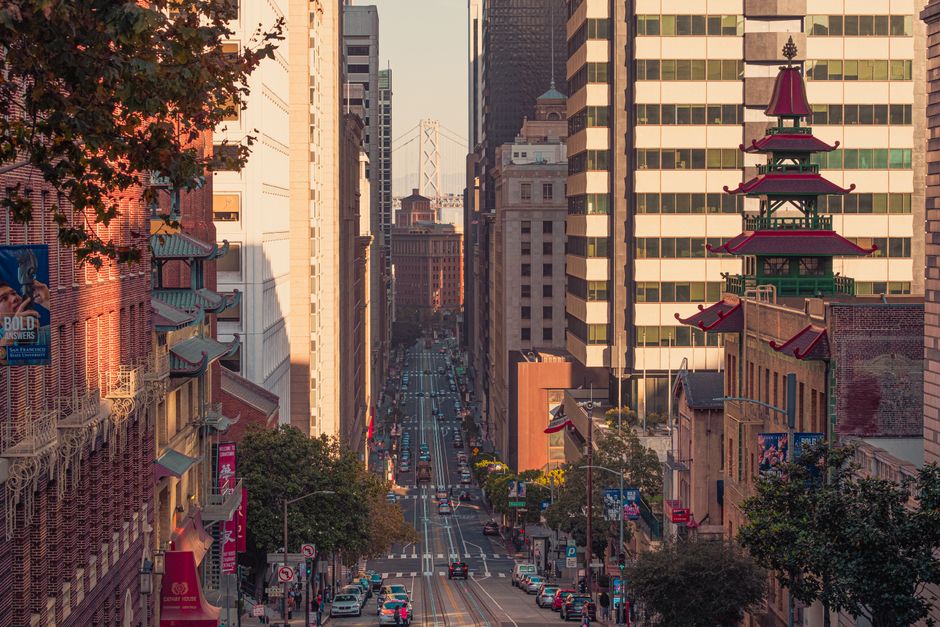
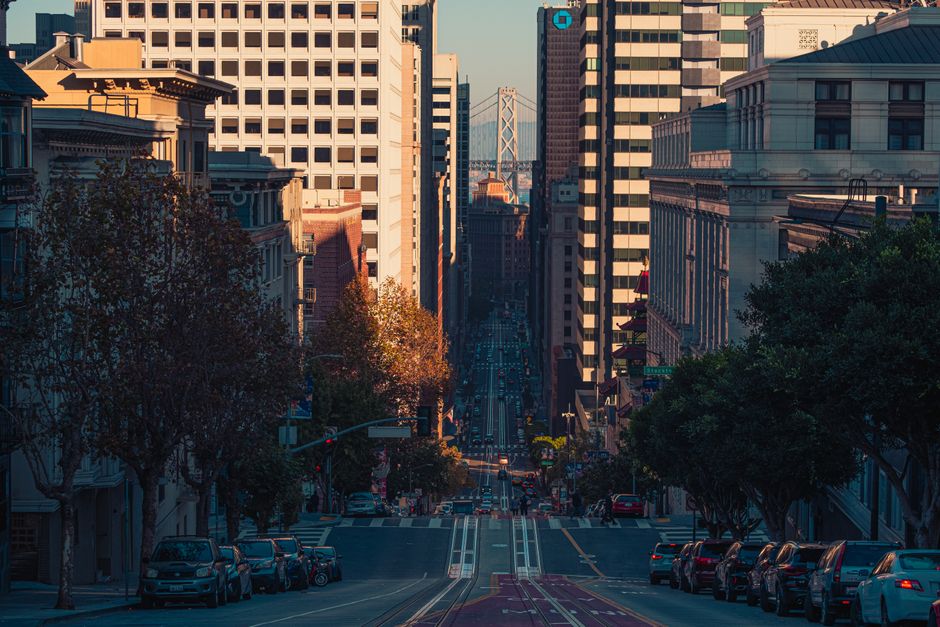
San Francisco tackles decades of infrastructure decay with major overhaul
Decades of deferred maintenance and aging systems have finally forced the city to confront a backlog that stretches from the Bay Bridge to the Muni tunnels.
Decades of deferred maintenance and aging systems have finally forced the city to confront a backlog that stretches from the Bay Bridge to the Muni tunnels.
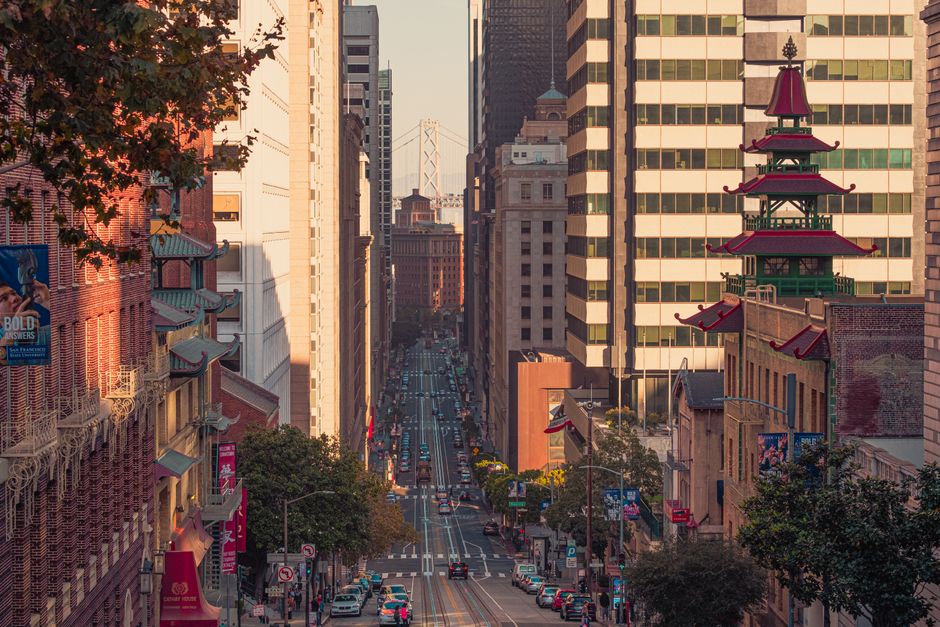
San Francisco's current wave of major infrastructure projects—from the Central Subway's long-delayed final leg to the Salesforce Transit Center's operational maturation—didn't emerge from visionary planning. They arrived as desperate measures to address systems that had deteriorated to crisis point.
The roots run deep. For most of the 2000s and 2010s, the city prioritized immediate expenses over long-term maintenance. The Muni system, which carries roughly 700,000 daily riders, operated with tunnel infrastructure installed decades earlier. By 2019, the average age of a Muni bus was 12 years—well beyond manufacturer recommendations. The Market Street subway tunnel, opened in 1980, had seen minimal upgrades by the time critical failures began cascading around 2017.
The financial math was brutal. A 2020 audit revealed San Francisco faced a $636 million maintenance backlog across transit alone. The Bay Bridge, which carries 260,000 vehicles daily, required seismic retrofitting that seemed perpetually "five years away" throughout the 2010s. Meanwhile, the city's arterial streets—Van Ness Avenue, Geary Boulevard, Mission Street—deteriorated under constant use and deferred resurfacing.
What shifted the calculus was a convergence of pressure points. Regional population growth, accelerated by remote-work adoption through 2020-2021, strained systems that couldn't absorb increased demand. The 2020 recession initially suggested budget cuts would worsen the situation. Instead, federal infrastructure funding—including $55 billion directed to transit nationwide—suddenly made previously "impossible" projects fundable.
The Central Subway's final phase to Chinatown, perpetually controversial and chronically underfunded, finally broke ground in earnest. The Van Ness Avenue Bus Rapid Transit project, which had languished in preliminary studies for years, entered construction. The Caltrain electrification project, essential to reducing Peninsula-to-Downtown congestion, accelerated with renewed federal backing.
This wasn't smart planning finally winning out. This was a system forced to act when the status quo became politically and economically untenable. Commuters experienced it through service failures. Residents felt it through traffic and congestion. Business interests recognized it threatened economic vitality.
Today's projects represent San Francisco attempting to build its way out of a maintenance hole, while simultaneously trying to accommodate growth and meet climate goals. The irony is sharp: the city is now spending multiple billions on improvements that proper stewardship in prior decades might have prevented—or at least made less urgent and expensive.
The Central Subway, expected to cost $2.3 billion when completed, exemplifies this pattern. Had the city invested consistently in transit infrastructure throughout the 1990s and 2000s, perhaps such projects would have been routine rather than extraordinary.
This article was compiled by AI and screened before publishing. See our editorial standards.
How does this story make you feel?
Spread the word
About this article
Published by The Daily San Francisco
Daily brief
Free, in your inbox before 7am. Weekdays.
More in News