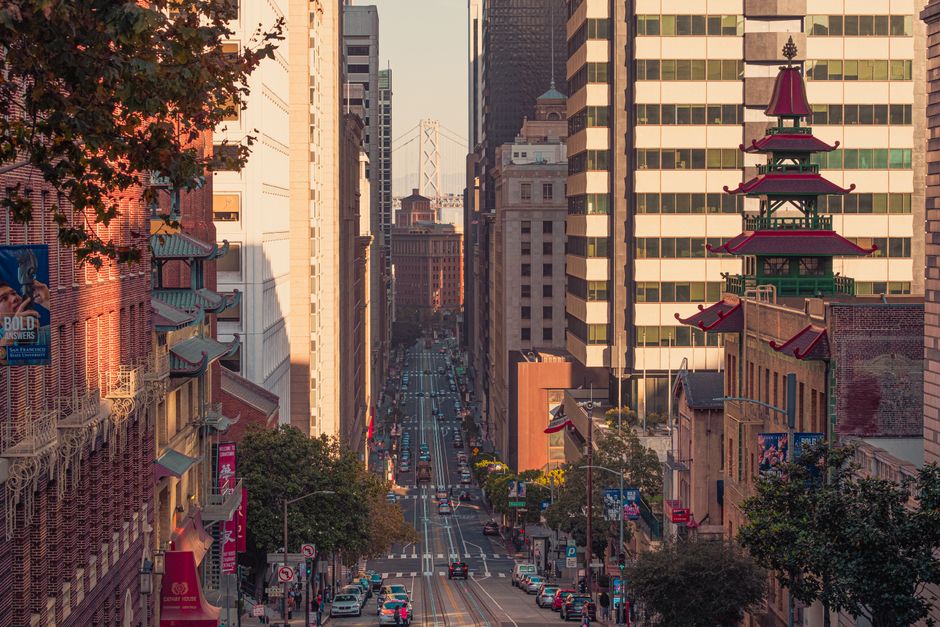
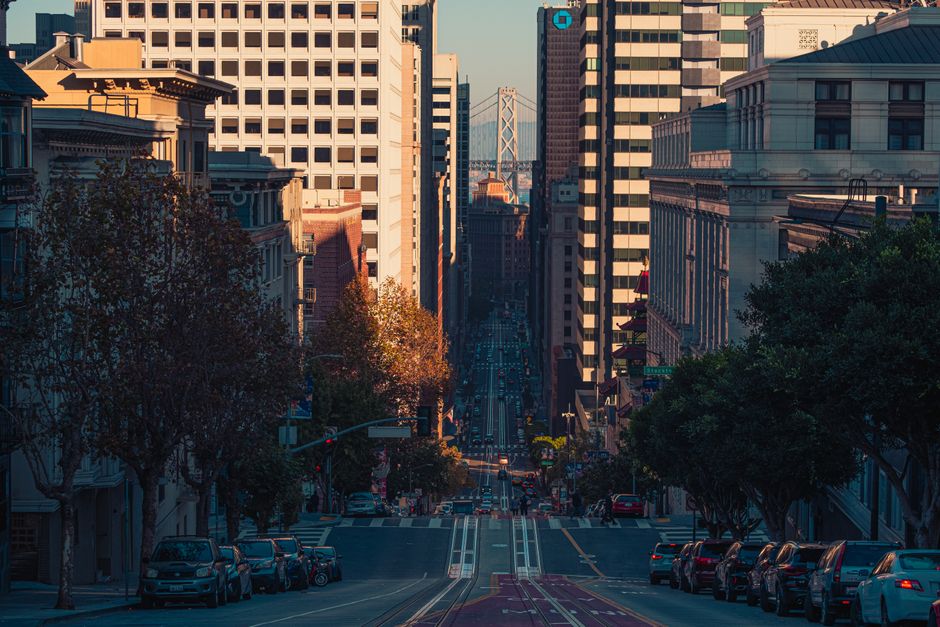
San Francisco's infrastructure transformation is being written in data—and the numbers are staggering. The Metropolitan Transportation Agency's capital program now totals approximately $15 billion across major projects, a figure that has grown 34 percent since 2020 and reflects the city's attempt to modernize systems aging faster than budgets can accommodate.
The Central Subway extension, perhaps the most visible project reshaping downtown, has consumed $2.3 billion to date—nearly double its original 2008 estimate of $1.25 billion. The line, which will eventually connect the Transbay Transit Center to Chinatown via SoMa, represents the Bay Area's most expensive subway expansion per mile: approximately $920 million per mile, compared to $1.2 billion per mile for the Second Avenue Subway in New York but significantly higher than the region's historical baselines.
Meanwhile, the Bay Bridge Seismic Safety Project has already invested $2.7 billion in retrofitting the structure that carries roughly 260,000 vehicles daily. That represents nearly 13 percent of the entire regional transit budget committed to a single piece of infrastructure—a testament to both its criticality and the deferred maintenance that plagued San Francisco's systems for decades.
The data reveals structural problems in how the city funds improvements. The MTA's operating budget has grown to $3.2 billion annually, yet fare revenue only covers 24 percent of costs. This gap, which has widened from 19 percent in 2015, forces difficult trade-offs: bus service hours grew just 2 percent between 2020 and 2025, while ridership on Muni recovered to 88 percent of pre-pandemic levels but hasn't exceeded it.
Not all numbers paint a grim picture. The Embarcadero Waterfront Park's transit-oriented development generated $847 million in property tax revenue in 2025, demonstrating how infrastructure investment can catalyze economic activity. The Howard Street corridor, transformed through Muni priority lanes and pedestrian improvements, saw commercial vacancy rates drop from 8.2 percent to 3.7 percent within four years.
Yet project delays persist. The Van Ness Avenue Bus Rapid Transit project, originally estimated for completion in 2024, now projects a 2027 finish—pushing its total cost from $636 million to an anticipated $782 million. Similar delays affect the 19th Avenue safety initiative, where $184 million remains allocated to address traffic patterns that generate approximately 47 collisions annually.
As San Francisco invests unprecedented capital in its transportation backbone, the statistics suggest both the necessity and fragility of that commitment—a city spending billions to prevent infrastructure from becoming the bottleneck that chokes its future.
This article was compiled by AI and screened before publishing. See our editorial standards.