A Shift in the Summer of Love: How Haight-Ashbury Is Evolving and Changing
While the tie-dye tradition remains a neighborhood staple, Haight Street is balancing its historic legacy with a new wave of local commerce.
While the tie-dye tradition remains a neighborhood staple, Haight Street is balancing its historic legacy with a new wave of local commerce.
The intersection of Haight and Ashbury is recalibrating for a new generation. While the neighborhood remains the spiritual heart of the city’s 1960s counterculture, recent months show a marked shift in how local businesses are occupying these historic Victorian storefronts. Long-time visitors will notice that the dense cluster of vintage clothing shops is increasingly sharing space with specialized artisanal boutiques and upgraded dining options, reflecting a broader effort by the Haight Ashbury Improvement Association to curate a more sustainable local economy.
For decades, the neighborhood has relied on its identity as the birthplace of the hippie movement to drive tourism. Landmarks such as the Grateful Dead House on Ashbury Street still draw daily crowds of sightseers. However, the commercial reality is moving toward a more diversified retail mix. Organizations like the Haight Ashbury Merchant Association are now focusing on supporting independent storefronts that cater to both long-term residents and the steady influx of international travelers visiting San Francisco.
Economic shifts in the city have compelled many small businesses to refine their offerings. Vintage stores like Wasteland and local institutions such as Amoeba Music have maintained their presence, anchored by strong local loyalty and a deep-seated connection to the city's music history. These businesses are now navigating a changing landscape where pedestrian traffic remains high, yet consumer preferences are skewing toward high-end local craft products and curated goods rather than purely traditional souvenir sales.
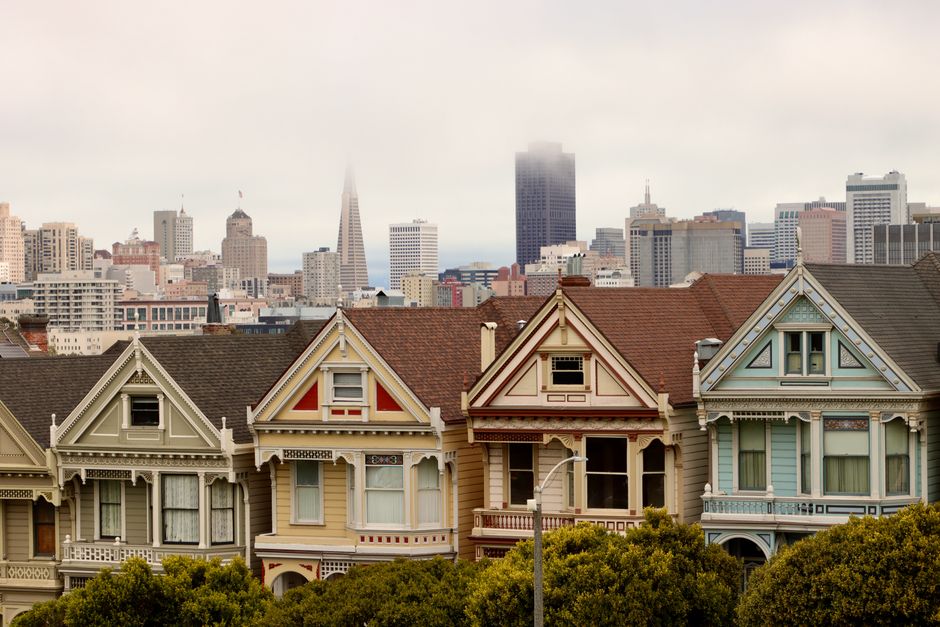
Data tracked by local business development reports indicate that commercial occupancy rates in the Upper Haight have shown resilience compared to other commercial corridors in San Francisco. While rent trends across the city have seen significant fluctuation over the past few years, the neighborhood has prioritized keeping its iconic Victorian facades intact through strict zoning and historic preservation efforts. The focus is no longer just on maintaining the past, but on integrating businesses that can thrive in a post-pandemic retail climate.
For those planning a visit, the best approach is to start with a morning walk through the eastern end of Golden Gate Park, which serves as the neighborhood's expansive front yard. Street parking remains limited, so using MUNI lines like the 6 or 7 is the most practical way to reach the central commercial zone. As the summer season progresses, look for pop-up art displays and small-scale community events that highlight the neighborhood's transition from a tourist-heavy thoroughfare back into a functional, multi-generational hub.
How does this story make you feel?
Spread the word
About this article
Published by The Daily San Francisco
Daily brief
Free, in your inbox before 7am. Weekdays.
More in lifestyle