San Francisco's Hotel Occupancy Surges as Tourism Economy Reshapes Itself
Hotel occupancy rates and convention bookings are climbing again—but the city's visitor economy is reshaping itself in ways that matter far beyond hotel lobbies.
Hotel occupancy rates and convention bookings are climbing again—but the city's visitor economy is reshaping itself in ways that matter far beyond hotel lobbies.
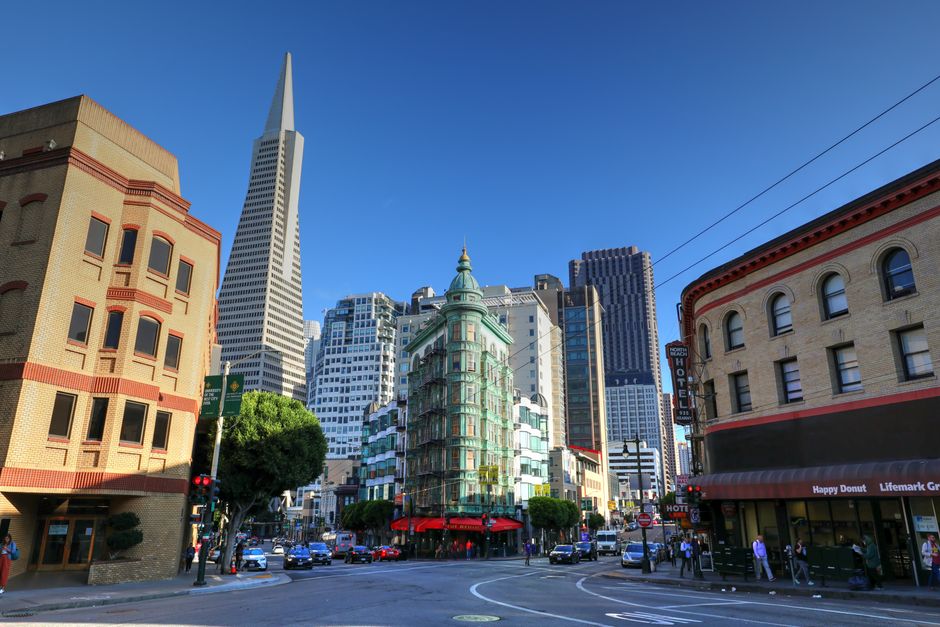
San Francisco's tourism sector is sending mixed but increasingly bullish signals to investors and city planners tracking the Bay Area's economic health. After three years of volatility, the metrics that matter most—hotel occupancy, average daily rates, and multi-year convention commitments—are trending upward in ways that suggest a fundamental recalibration rather than a simple bounce-back.
Moscone Center bookings for 2027 and 2028 have reached their highest levels since before the pandemic, with technology and biotech conferences now committing to the venue more than eighteen months in advance. That's a bellwether indicator: when convention organizers lock in dates that far out, they're signaling confidence in the destination and its supporting infrastructure. Union Square hotels, which saw average nightly rates dip to $189 in 2023, are now commanding $267 per night, according to hospitality analytics firms tracking the market.
But here's where the story becomes more nuanced. The composition of visitor spending has shifted significantly. Business travel—the traditional engine of San Francisco's high-margin tourism economy—accounts for a smaller percentage of total arrivals than it did a decade ago. Leisure travelers and international visitors from Europe and Asia are now the growth drivers, and they're spending differently. They're gravitating toward neighborhoods beyond downtown: the Mission District's Valencia Street corridor, the Ferry Building Marketplace, and the Presidio's newly reopened cultural venues are capturing a larger share of visitor dollars than in previous cycles.
This redistribution matters for capital flows. Boutique hotel investments in previously overlooked neighborhoods have accelerated. A 38-room property near the Civic Center launched in early 2026 with backing from a consortium of Bay Area institutional investors. Meanwhile, the traditional downtown hotel market is experiencing consolidation, with several major properties undergoing repositioning rather than expansion.
Airbnb's share of San Francisco's short-term lodging market, which peaked at roughly 11 percent of total room nights in 2019, has stabilized around 8 percent following tighter regulatory restrictions. The data suggests this hasn't cannibalized traditional hotels but rather shifted the geographic distribution of visitors. Neighborhoods like the Haight and the Richmond District are seeing increased foot traffic and restaurant revenue correlating with growth in licensed short-term rentals.
For investors watching San Francisco's recovery, the lesson is straightforward: traditional metrics like occupancy rates tell only part of the story. The real signal lies in which neighborhoods are attracting capital, which convention categories are making multi-year commitments, and how visitor spending patterns are reshaping where economic value concentrates across the city.
This article was compiled by AI and screened before publishing. See our editorial standards.
How does this story make you feel?
Spread the word
About this article
Published by The Daily San Francisco
Daily brief
Free, in your inbox before 7am. Weekdays.
More in Business

