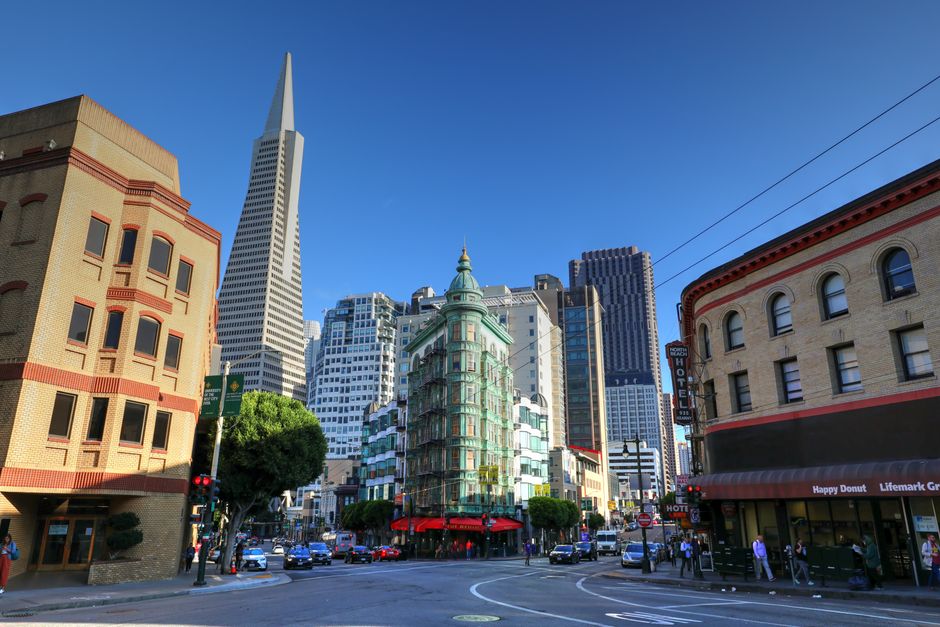
San Francisco's restaurant and hospitality sector is in the midst of a significant transformation, and everyday residents should understand the forces driving changes they'll notice on their next visit to Hayes Valley, the Mission, or North Beach.
The immediate pressure stems from labor economics. California's minimum wage sits at $16.50 per hour statewide, but San Francisco's local minimum is $20.32—among the highest in the nation. Combined with mandatory benefits and rising healthcare costs, operators say labor now consumes 35-40% of revenue compared to the historical 28-30% benchmark. That math directly translates to menu prices and reduced hours at establishments across the city.
Real estate remains the second major headwind. Commercial rents on prime locations like Union Street and around the Ferry Building have stabilized after pandemic volatility, but they remain substantially elevated. Smaller operators—the neighborhood taquería, the independent coffee roaster—face the starkest squeeze. Several long-standing businesses in the Mission District and SoMa have announced closures or relocations to lower-cost neighborhoods like the Outer Sunset, where foot traffic is thinner but overhead is manageable.
Consumer behavior has also shifted durably. Post-pandemic, San Francisco residents are more selective about dining out. Fine dining has rebounded, but casual and mid-market segments show softer demand. Food delivery—still profitable for platforms despite driver shortages—continues to cannibalize walk-in traffic. This favors larger brands with operational scale over independents.
What this means in practical terms: expect fewer late-night options, reduced wine and cocktail programs at smaller venues, and consolidation around neighborhood anchors. Prices for comparable meals have risen 8-12% in the past two years. Menu innovation has slowed at some establishments as operators focus on efficient, high-volume dishes rather than experimental offerings.
There's a silver lining for consumers willing to adapt. Neighborhood gems are surviving by deepening community ties, offering loyalty programs, and embracing catering and private events. Several notable independent operators have successfully shifted toward ghost kitchens and meal-prep models alongside dine-in service, lowering their physical footprint while maintaining business.
For San Francisco residents, the practical advice is straightforward: support the independents you value regularly rather than sporadically; expect higher prices; and understand that the casual, abundant dining culture of previous decades is recalibrating. The city's food scene remains world-class, but it's becoming more selective and strategically operated.
This article was compiled by AI and screened before publishing. See our editorial standards.