Global Turmoil Reshapes San Francisco's Job Market and Salaries
From immigration policy to geopolitical tensions, international forces are directly reshaping hiring patterns and salaries across the Bay Area.
From immigration policy to geopolitical tensions, international forces are directly reshaping hiring patterns and salaries across the Bay Area.
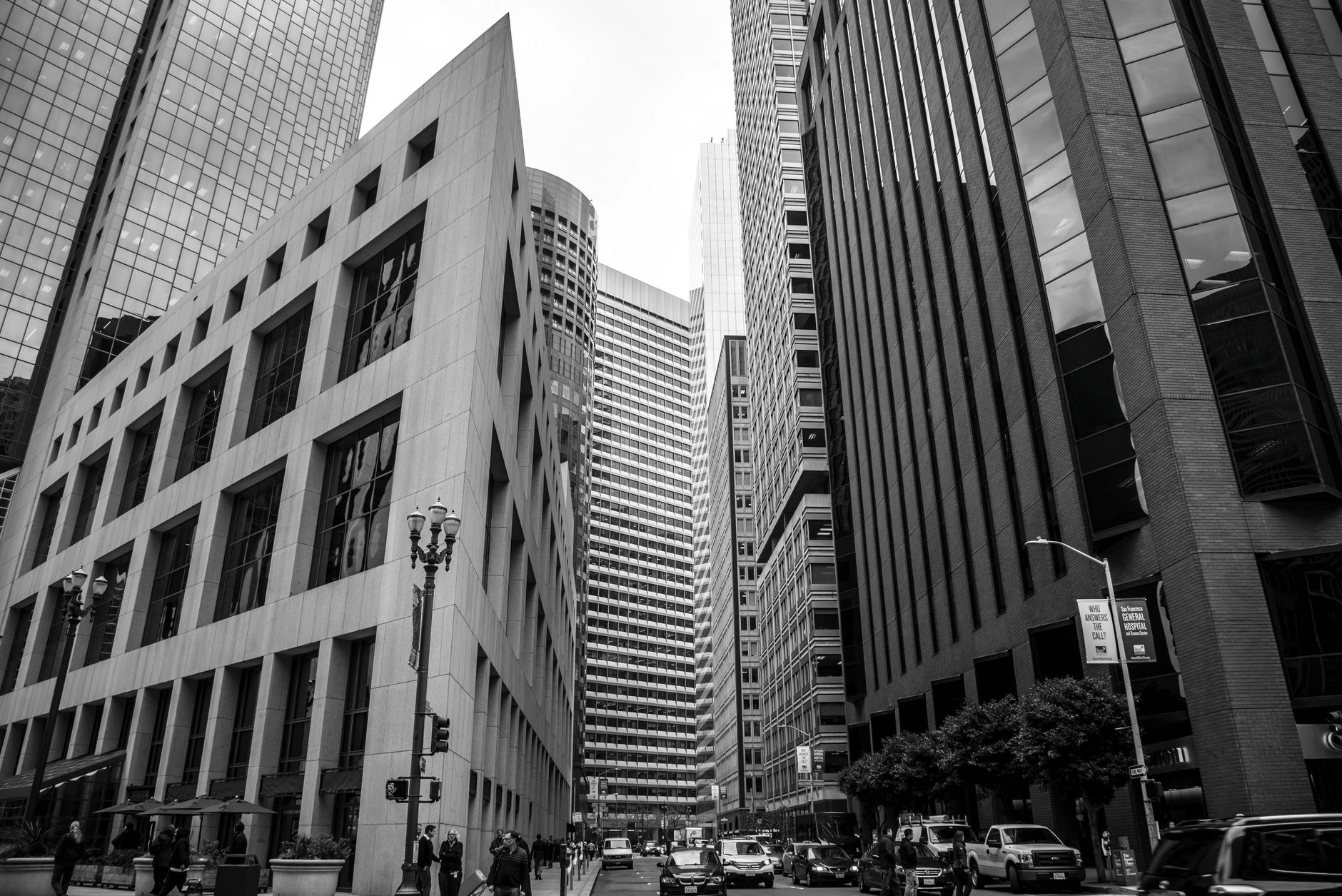
San Francisco's job market has always been tethered to global forces, but the velocity of change in 2026 is forcing local employers to make swift, consequential decisions about where to hire and whom to recruit.
The clearest pressure point is immigration policy. Tech companies headquartered in SoMa and the Financial District have long relied on specialized talent from abroad—engineers, researchers, and product leaders who navigate H-1B visas and green card backlogs. Recent Supreme Court decisions affirming birthright citizenship have stabilized some uncertainty, but the broader political climate around immigration has already prompted visible shifts. Recruitment firms report that mid-market software companies on Market Street and Valencia Street are investing more heavily in domestic talent development and remote hiring across the Midwest, a deliberate hedge against visa complications.
Meanwhile, geopolitical instability is creating unexpected ripples through San Francisco's financial services sector. The escalating tensions in the Middle East—including the U.S.-Iran dynamics and proposed fee structures around critical shipping lanes—are pushing insurance costs higher and forcing investment firms near the Ferry Building to recalibrate emerging markets exposure. Insurance brokers report that companies with exposure to Middle Eastern supply chains are seeing premiums rise 8 to 15 percent year-over-year.
The humanitarian crises abroad are also reshaping Bay Area labor dynamics in less visible ways. South African and Venezuelan instability have created urgent visa requests from skilled workers seeking safety, competing for limited visa allocations with traditional tech talent pipelines. Immigration lawyers in the Embarcadero report a notable uptick in corporate visa sponsorship requests from countries experiencing civil unrest.
Perhaps most significantly, cryptocurrency's outsized role in the current economy—enabled by favorable political winds—is distorting salary expectations across sectors. Tech workers with crypto-adjacent skills command premiums that traditional software engineers struggle to match, creating talent poaching pressure in downtown office parks.
Real estate costs, already punishing on Valencia Street and in the Mission, are seeing pressure from both directions: some companies are downsizing as they hedge against uncertainty, while others are expanding to accommodate remote-first hiring strategies that reduce geographic dependency. Average office lease rates in South of Market have plateaued at $85 per square foot—a sign of caution.
The message from San Francisco's business community is unmistakable: local hiring decisions are no longer made in isolation. The next job you see posted on Market Street likely reflects calculus made in boardrooms thinking about Strait of Hormuz geopolitics, immigration law, and humanitarian crises thousands of miles away.
This article was compiled by AI and screened before publishing. See our editorial standards.
How does this story make you feel?
Spread the word
About this article
Published by The Daily San Francisco
Daily brief
Free, in your inbox before 7am. Weekdays.
More in Business