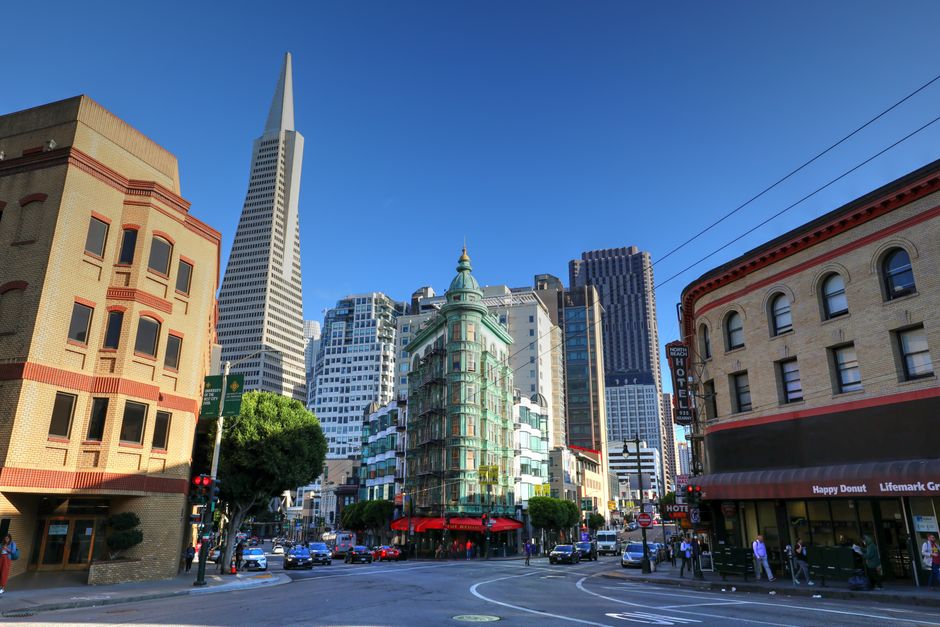
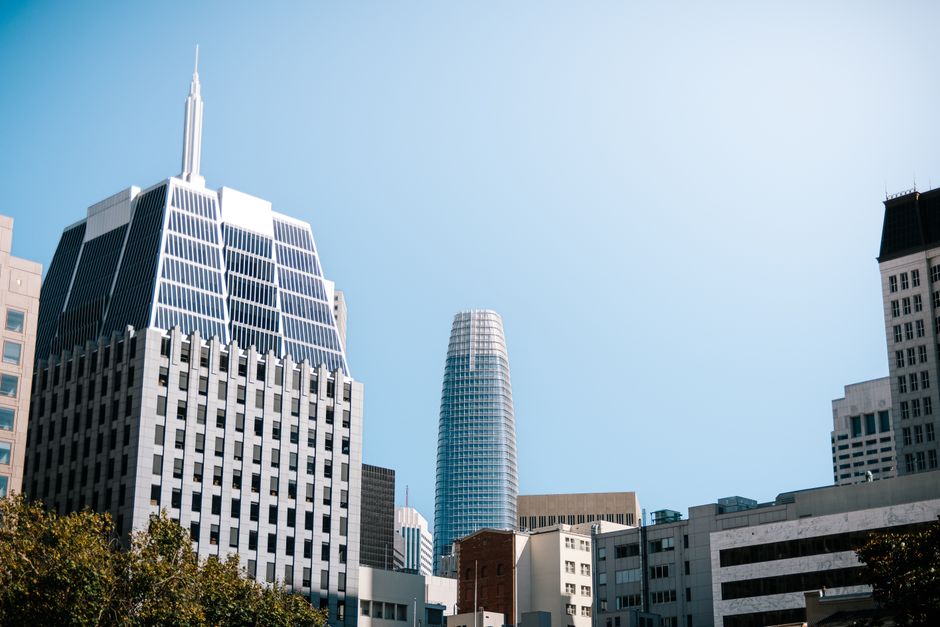
San Francisco's legendary grip on the talent market is slipping. What was once an almost magnetic pull—the promise of working in the heart of tech innovation—has fractured into something far more complicated, forcing employers across the city to fundamentally rethink how they recruit and retain workers.
The shift accelerated dramatically over the past eighteen months as companies from downtown's Financial District to South of Market (SoMa) formalized hybrid arrangements. Major employers now operate with 40 to 60 percent of staff working remotely at least three days weekly, according to recent Bay Area Council data. The consequence: a talent market that's increasingly distributed, expensive to access, and increasingly difficult to dominate.
"We're seeing candidates negotiate geography as aggressively as they negotiate salary," said one recruiter at a prominent venture capital firm near the Embarcadero, speaking on condition of anonymity. Real estate costs haven't helped. A two-bedroom apartment in the Mission District now averages $3,100 monthly—a figure that makes commuting from more affordable areas like Vallejo or San Jose far more attractive for workers who only need to be downtown twice weekly.
The ripple effects are visible across neighborhoods. SOMA's office vacancy rate hit 28 percent earlier this year, the highest in a decade, while co-working spaces and satellite offices in neighborhoods like Hayes Valley have become unexpected winners. Smaller firms without established downtown headquarters are experimenting with neighborhood hubs on Valencia Street and near the Ferry Building, betting they can attract talent by reducing commute friction.
This fragmentation is reshaping recruiting itself. Companies can no longer rely on geographic proximity as a filter. Instead, they're competing nationally—and globally—for the same remote-capable talent pools, pushing salaries up and reducing the "San Francisco premium" that once made working here nearly mandatory for ambitious technologists. A mid-level software engineer in San Francisco now commands similar compensation to counterparts in Austin or Denver, a shift unthinkable five years ago.
For the city itself, the changes pose uncomfortable questions. If the commute becomes optional, why live in San Francisco at all? Some employers are responding by investing heavily in office culture and in-person collaboration. Others are shrinking their physical footprint entirely. Downtown San Francisco's office market—long the engine of municipal tax revenue and labor demand—is contending with a structural shift that extends far beyond this quarter's earnings reports.
The talent market hasn't disappeared. It's simply become less centralized, less predictable, and far more competitive than it's ever been.
This article was compiled by AI from the sources linked above and screened before publishing. See our editorial standards.